
1882 LTD
The Johnson Brothers started producing ceramics in Stoke-on-Trent in 1882. 1882 Ltd.’s collection, Crockery with Max Lamb, has been included in the permanent collection of Arts des Decoratif at the Louvre in Paris. Tryst with Amy J Hughes has been included in the permanent collection of the Victoria and Albert Museum in London.
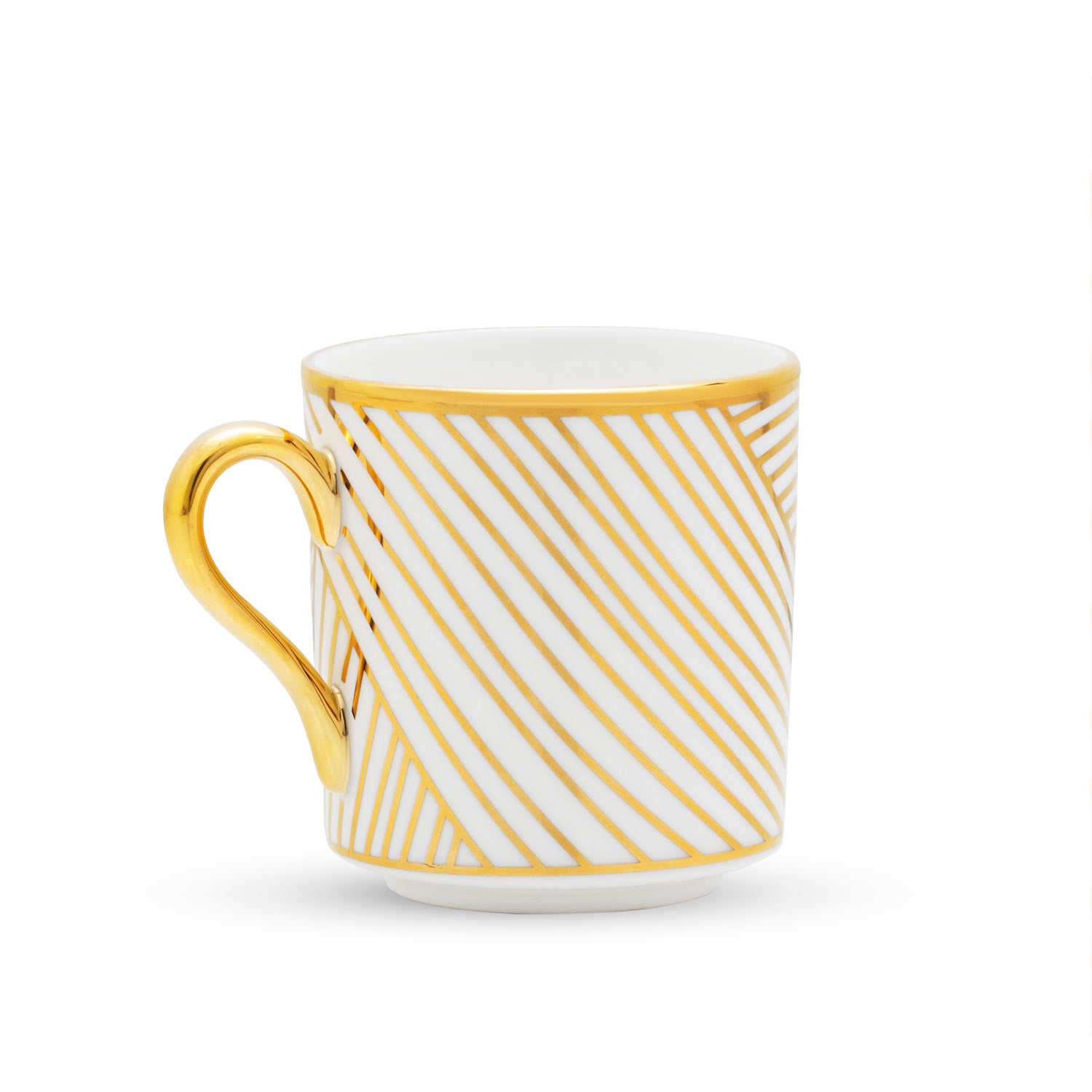
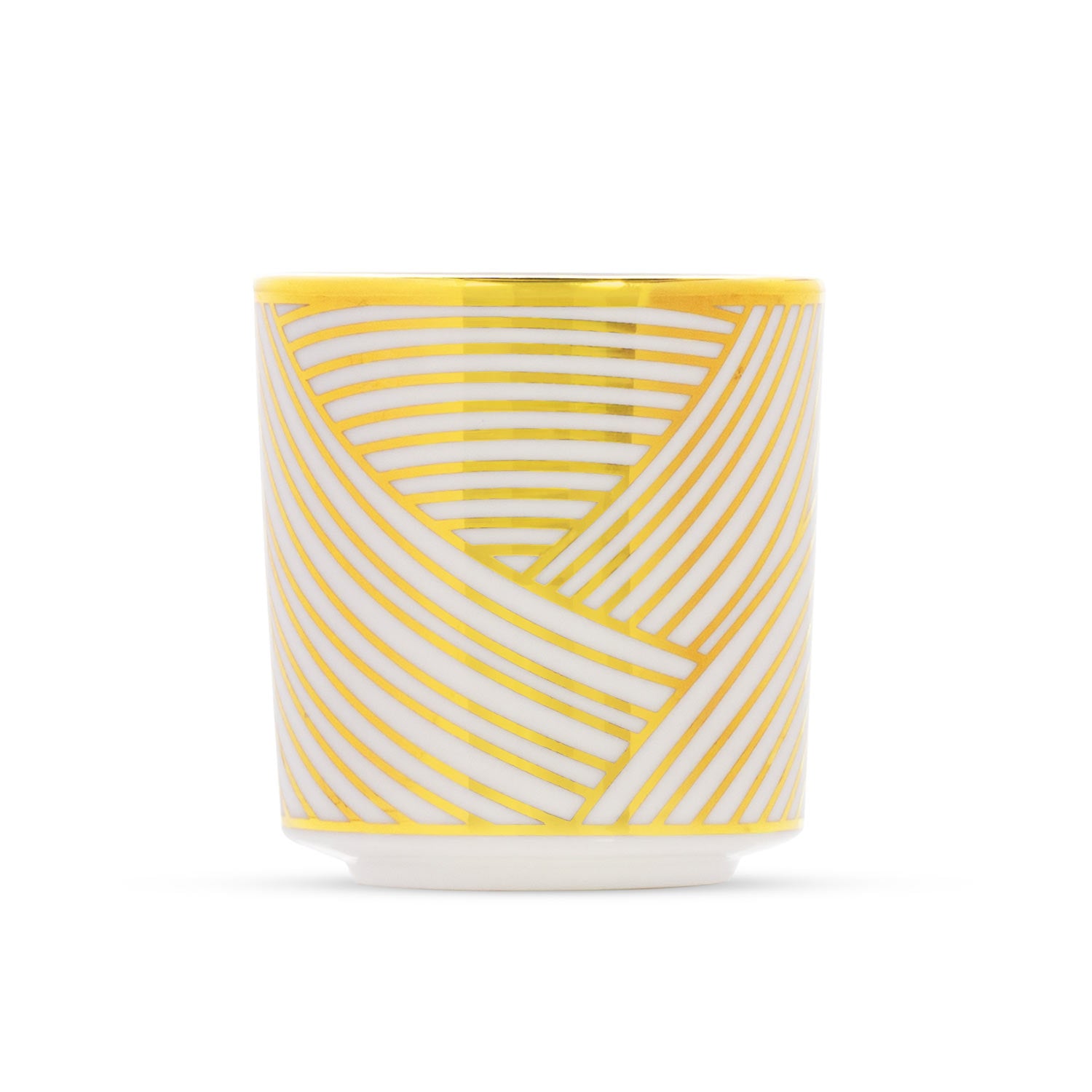
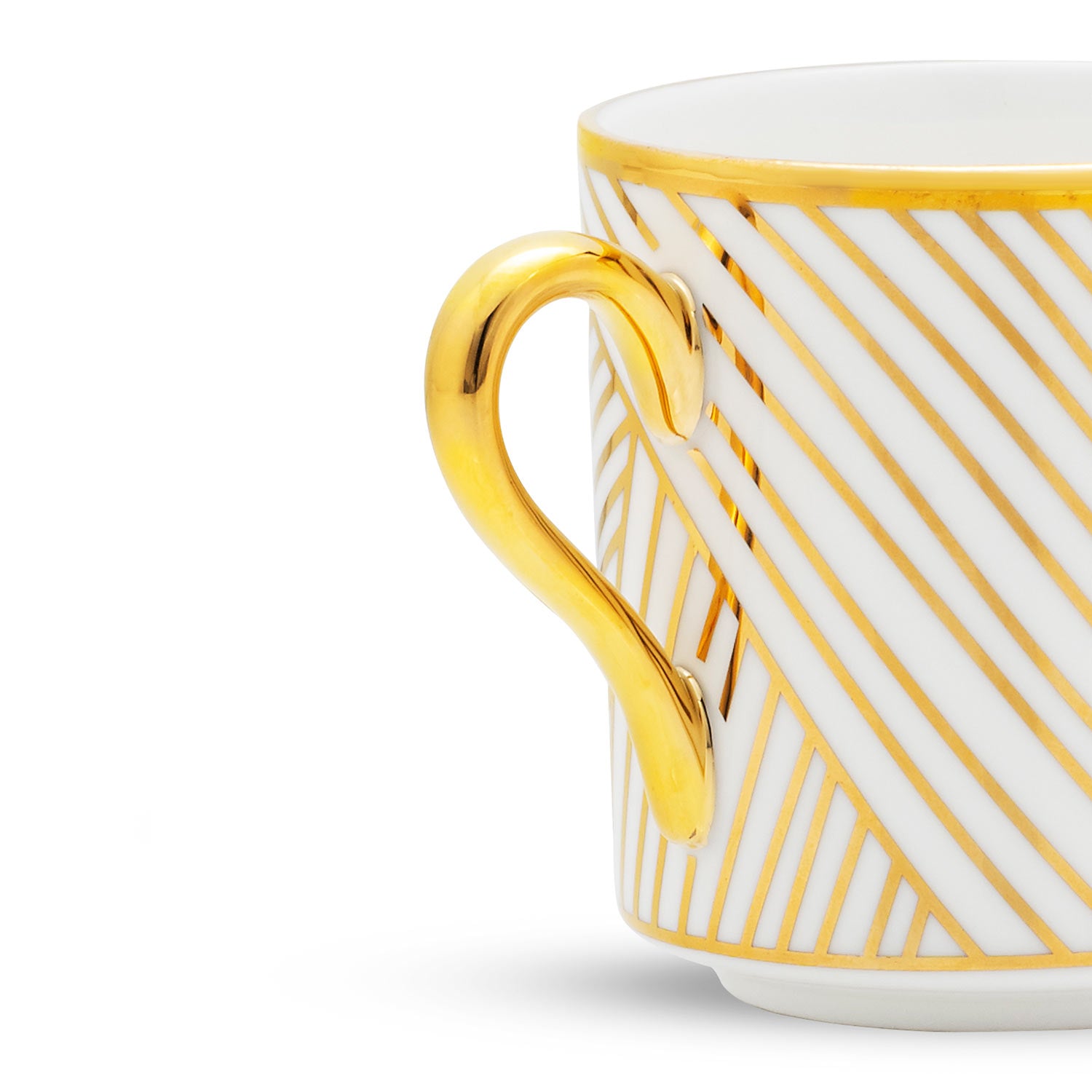
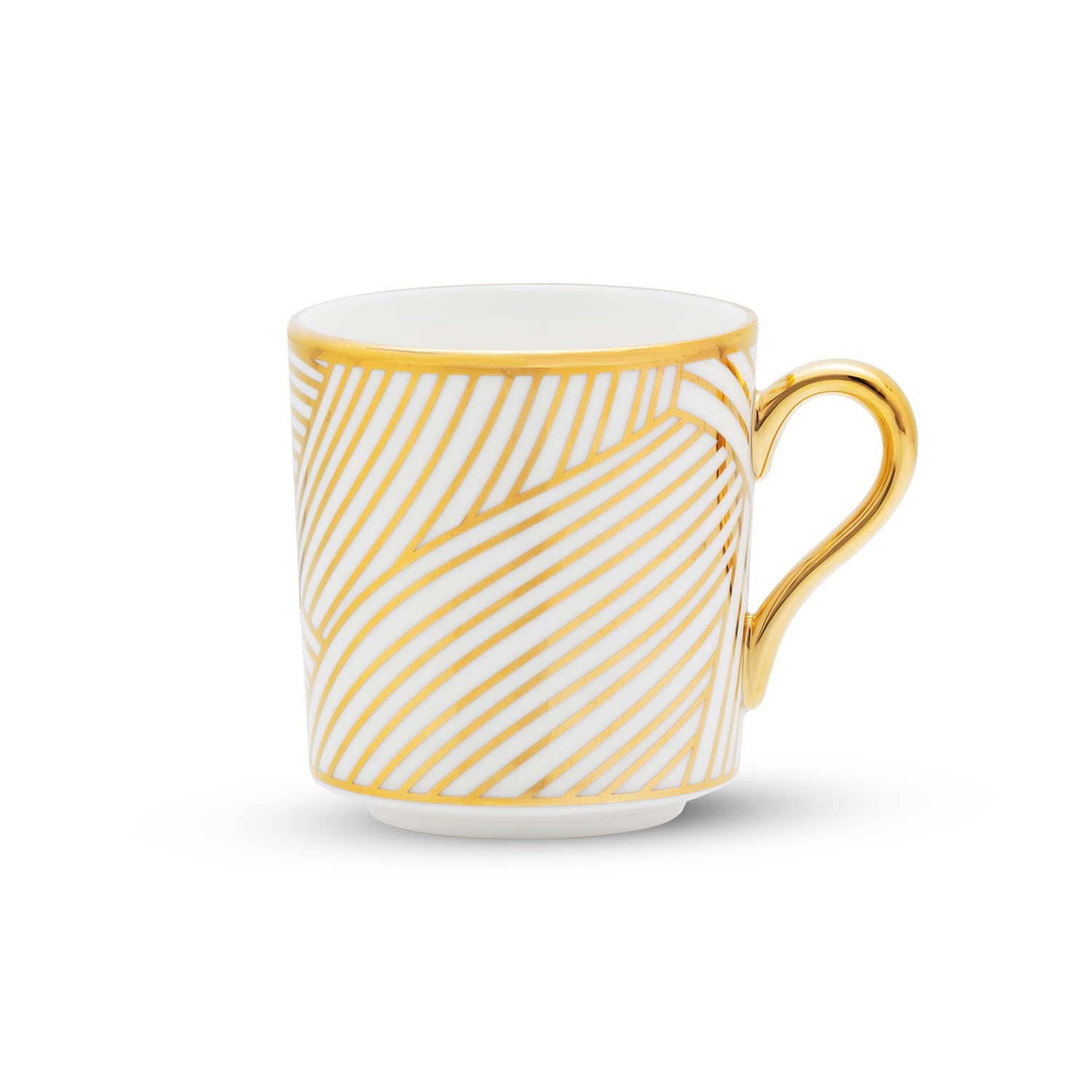
Lustre Espresso Cup
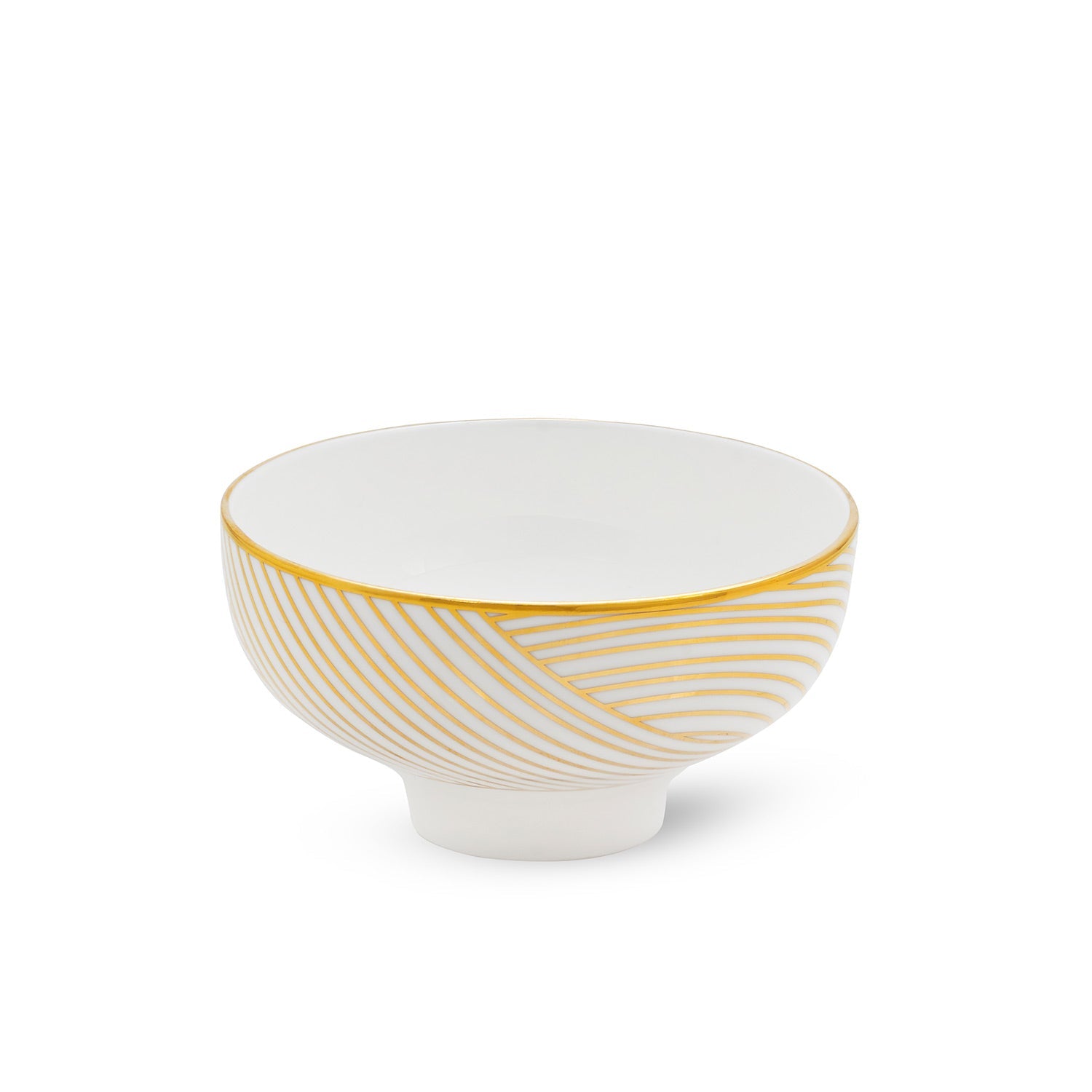
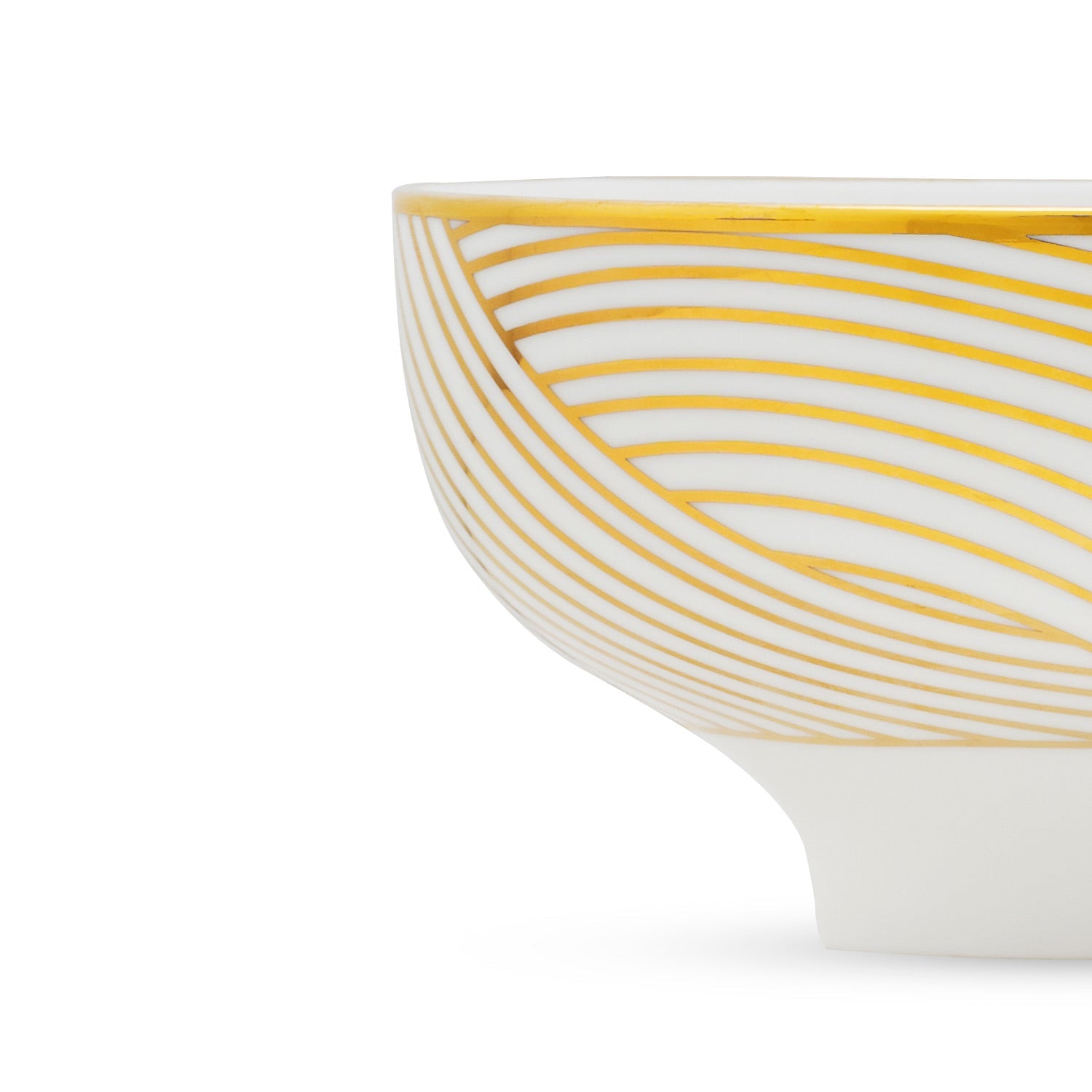
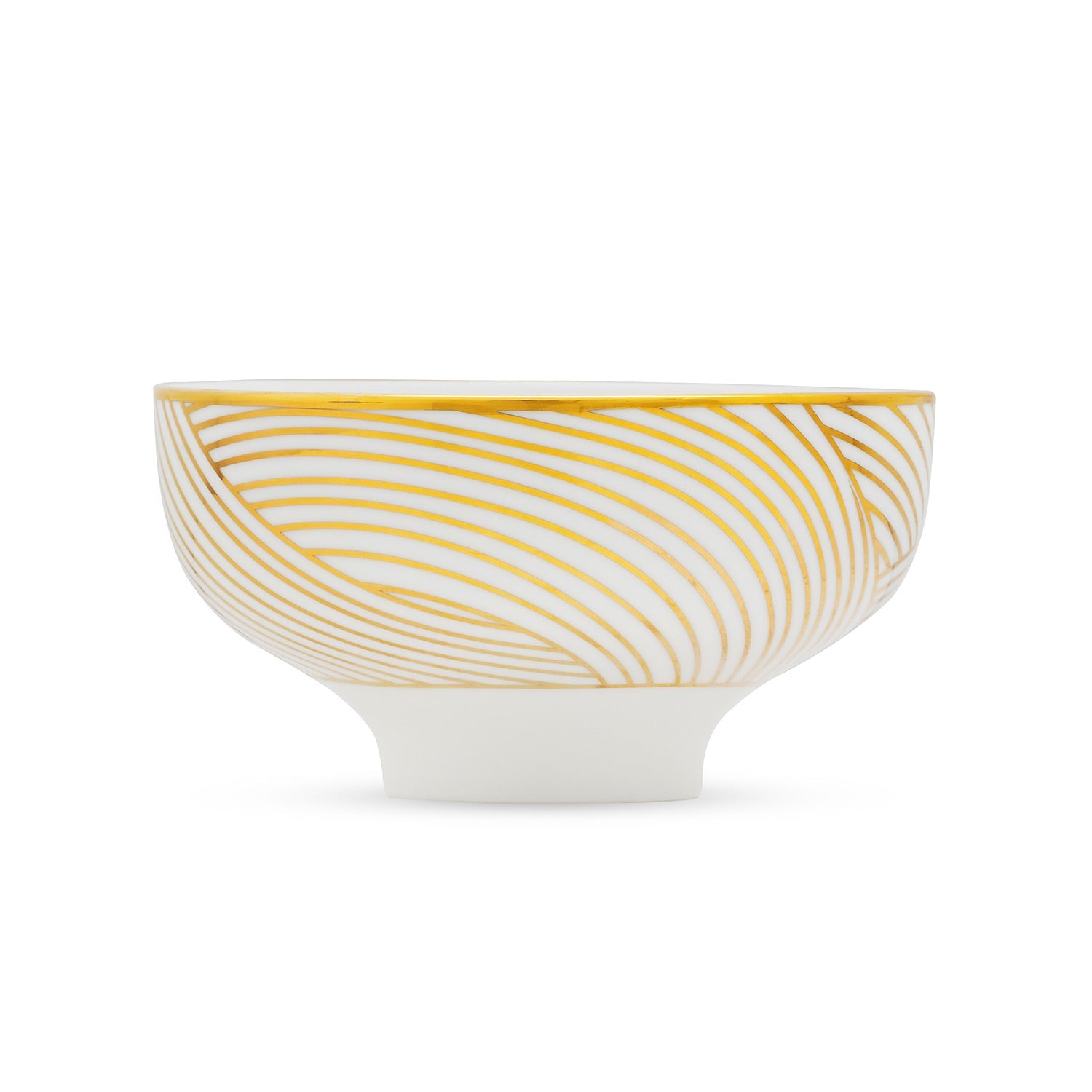
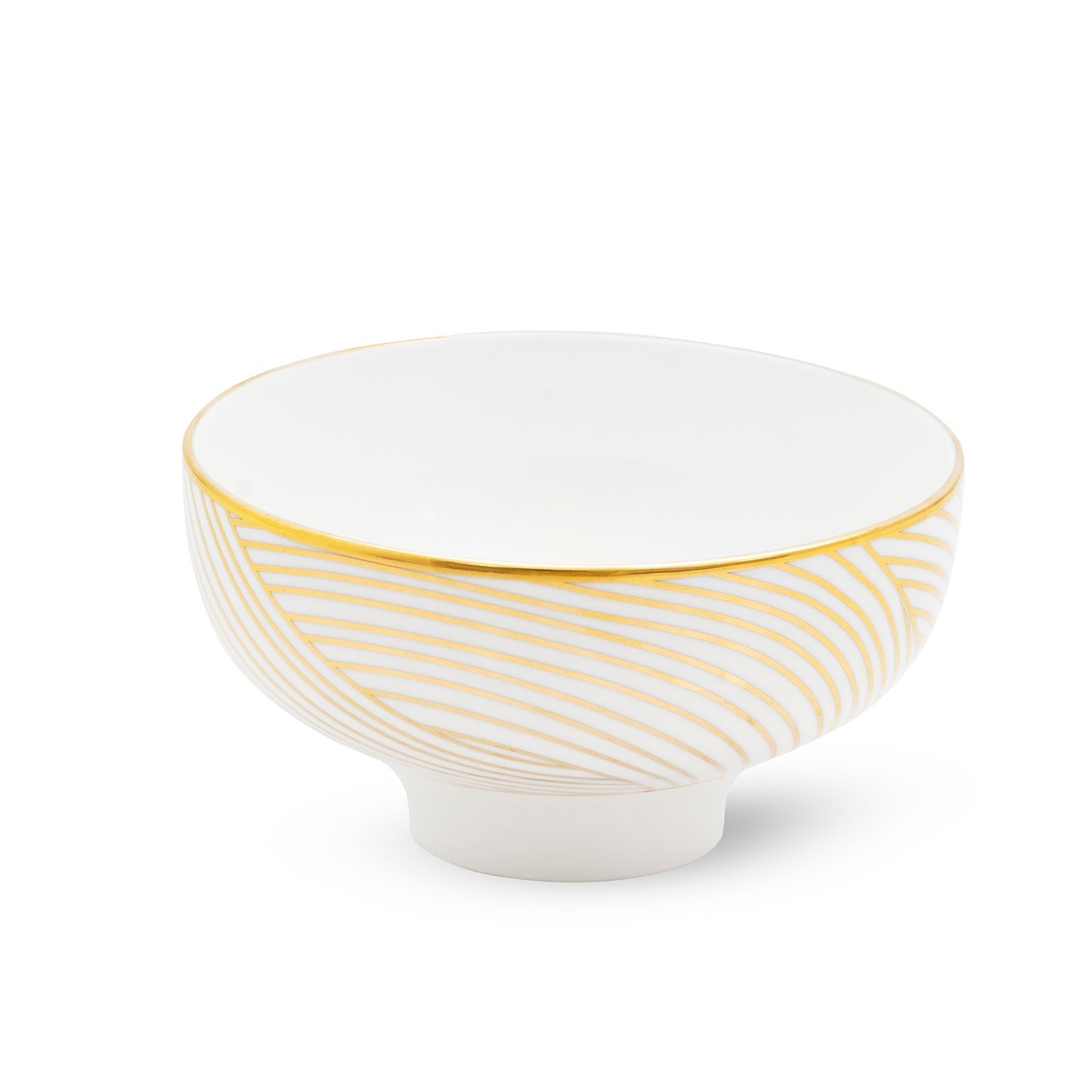
Lustre Nut Bowl
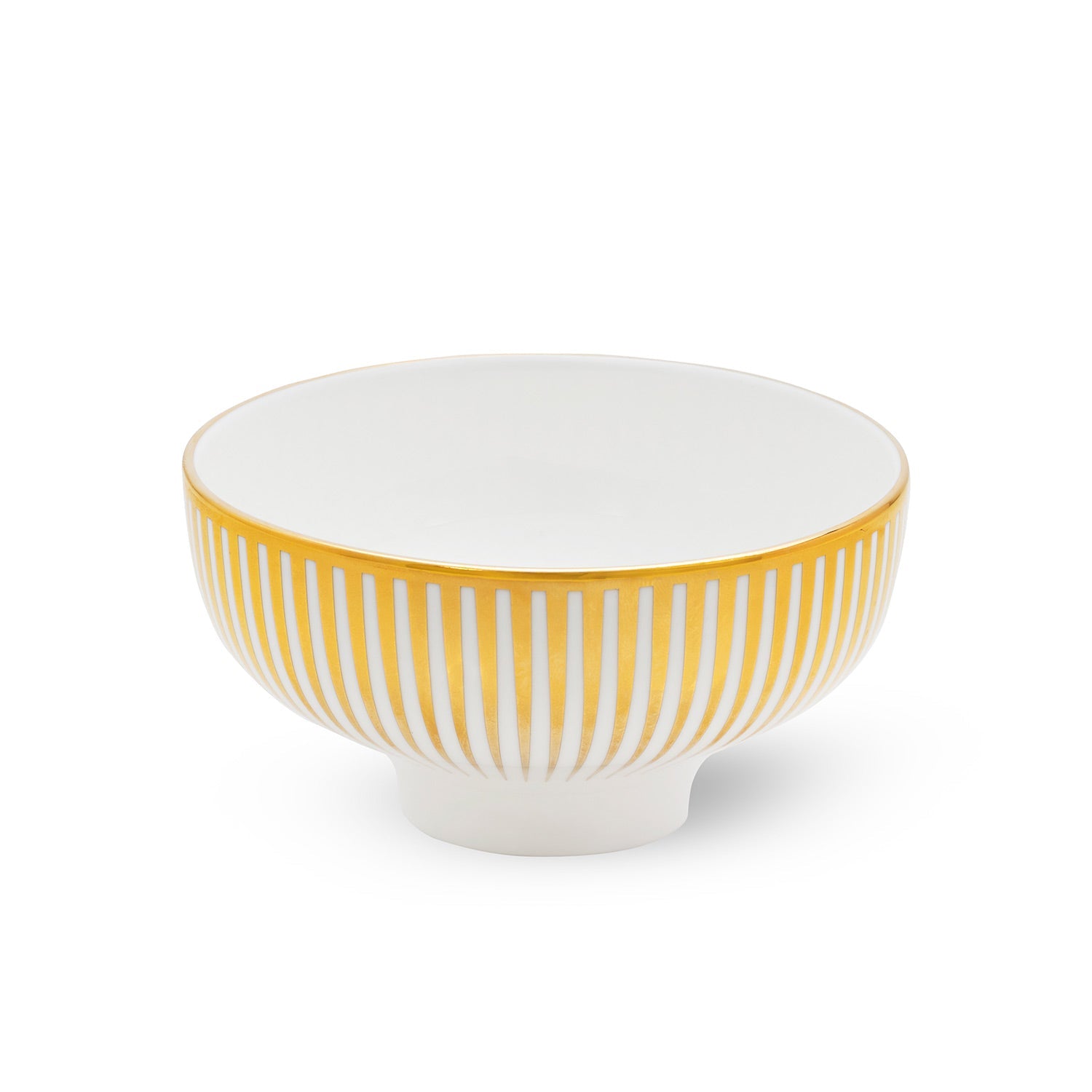
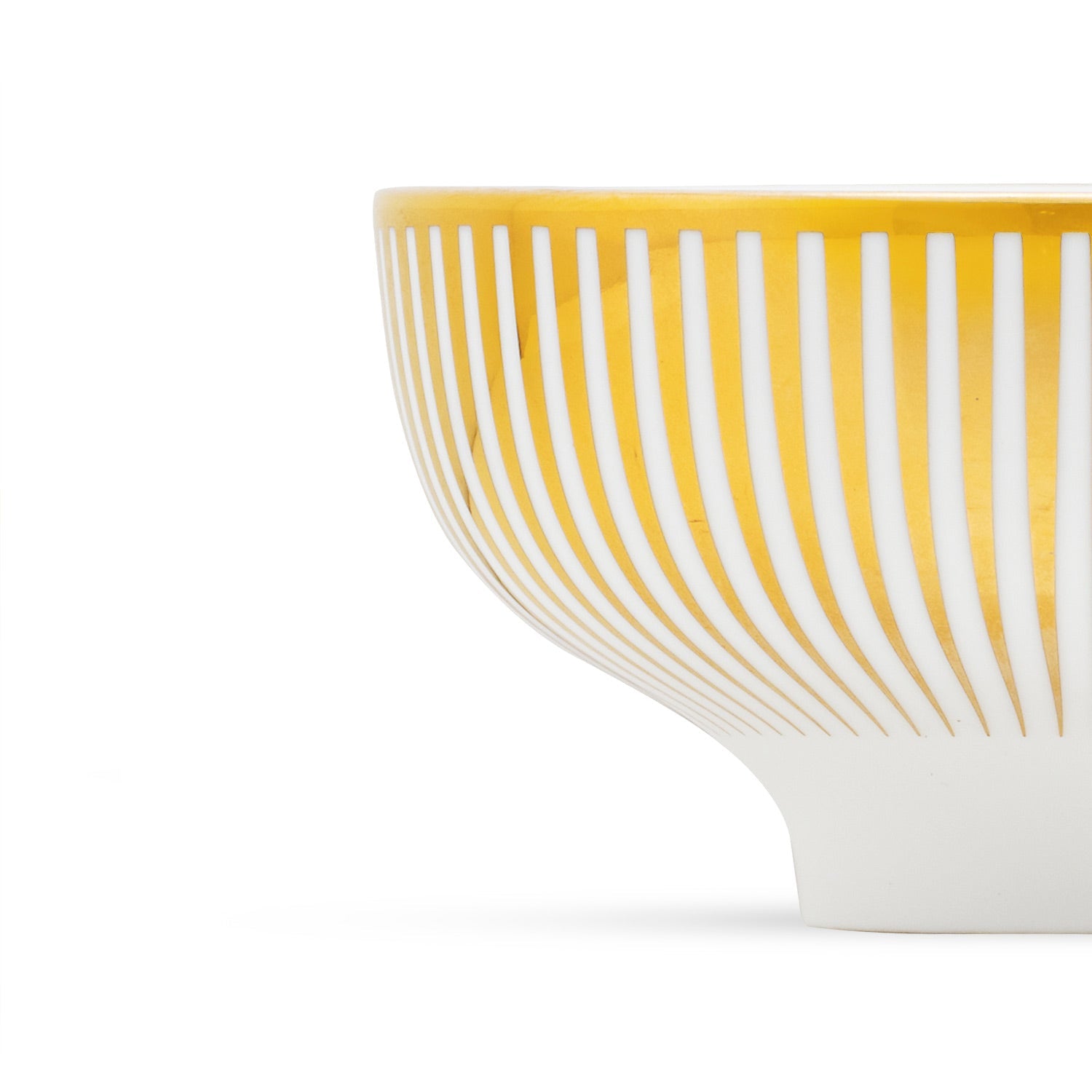
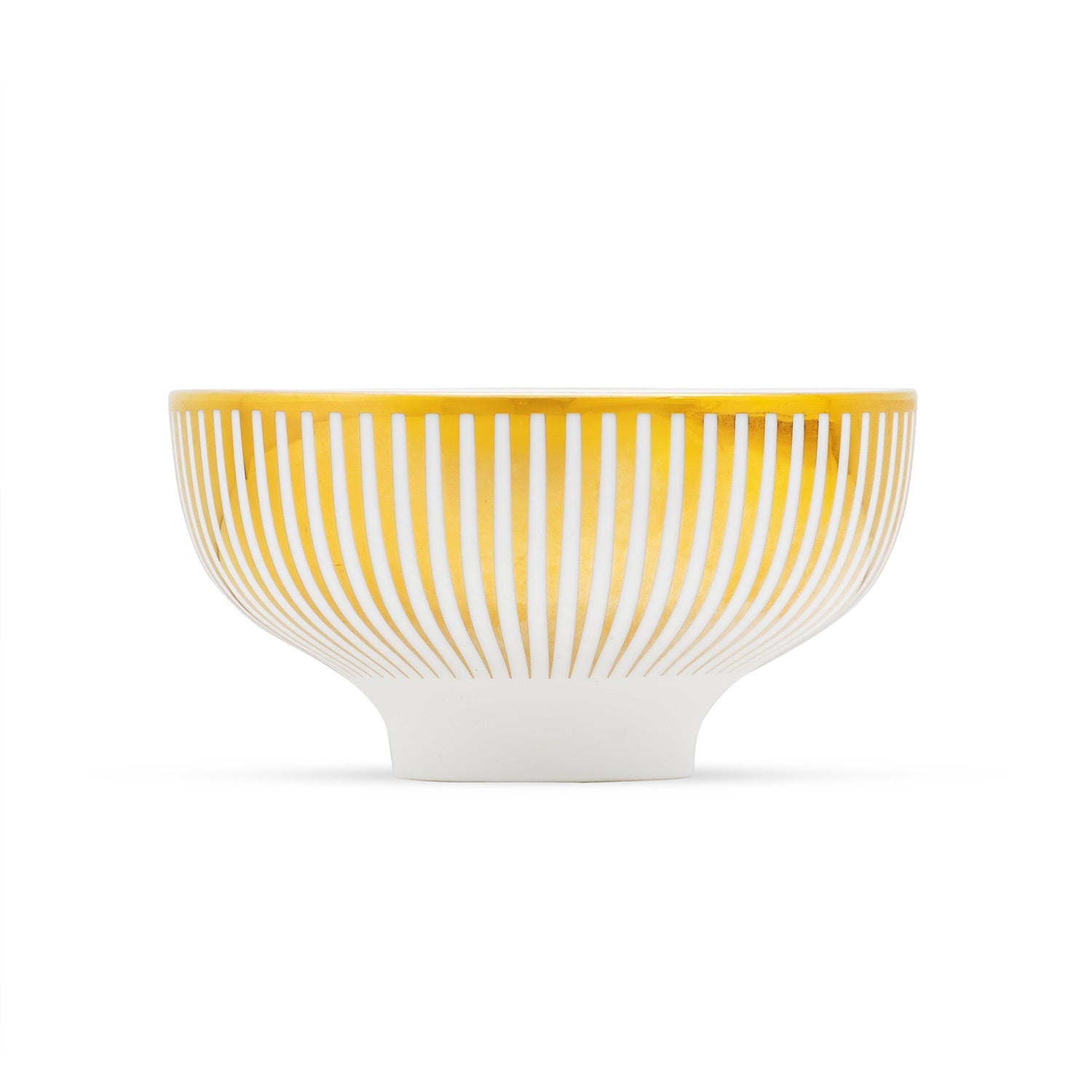
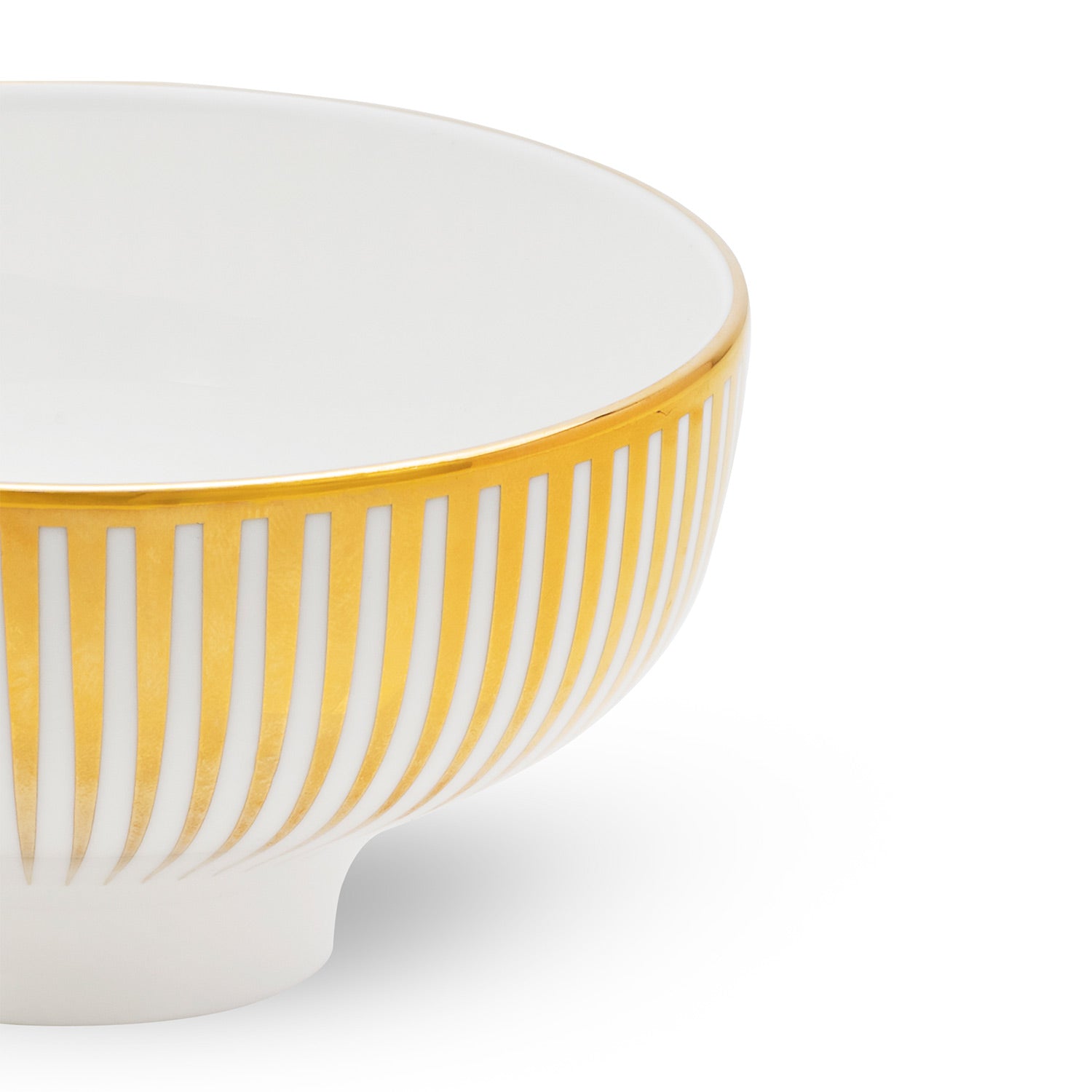
Lustre Striped Nut Bowl
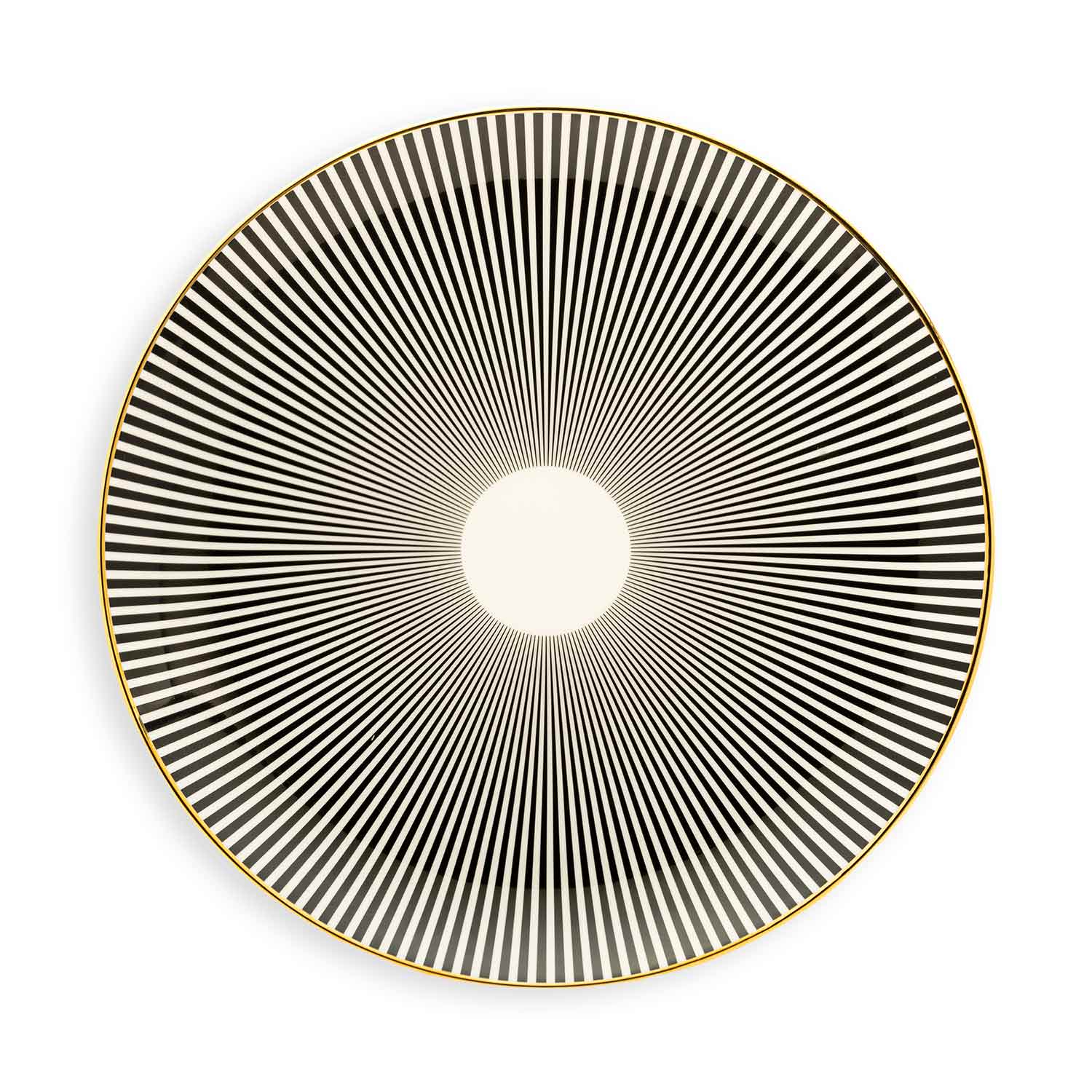
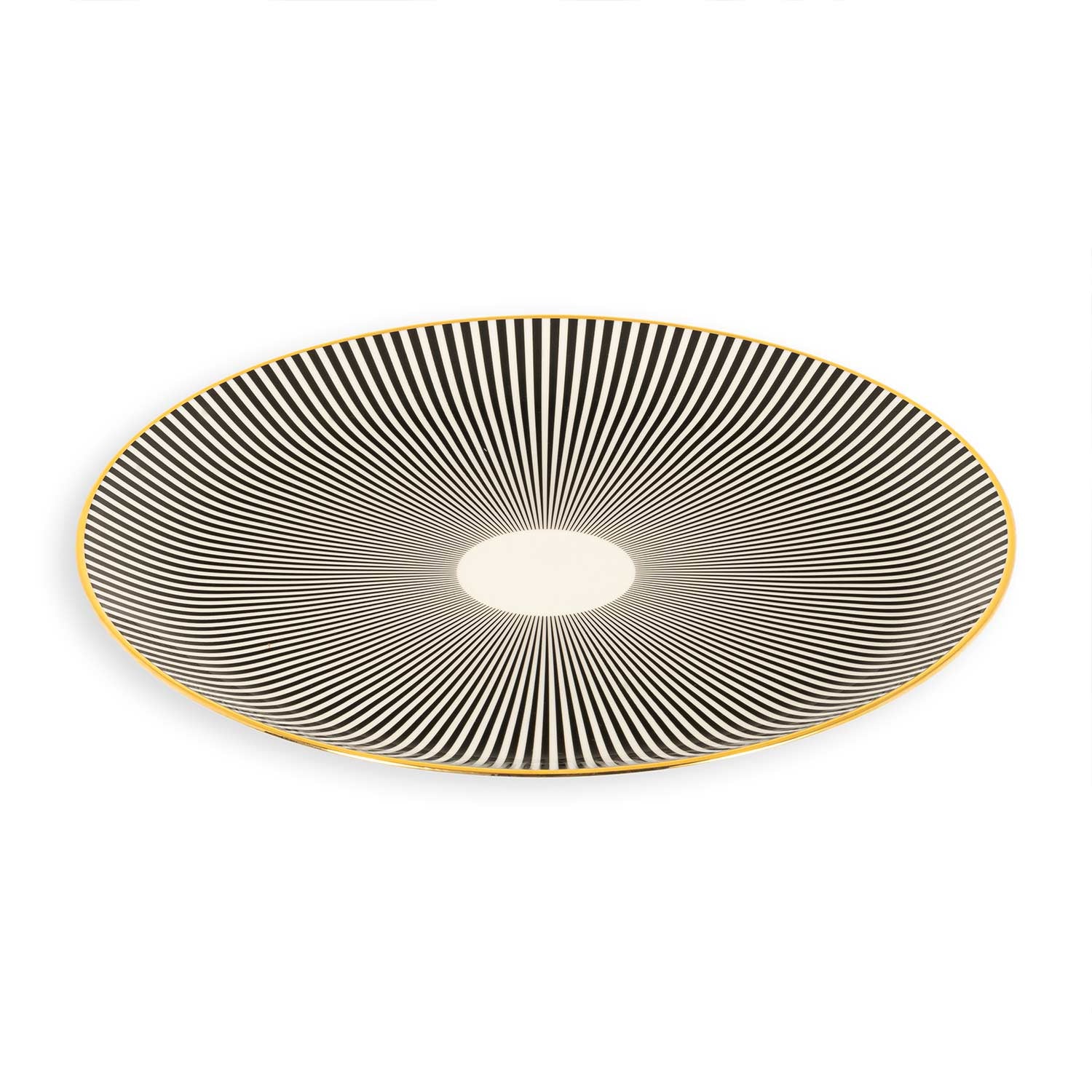
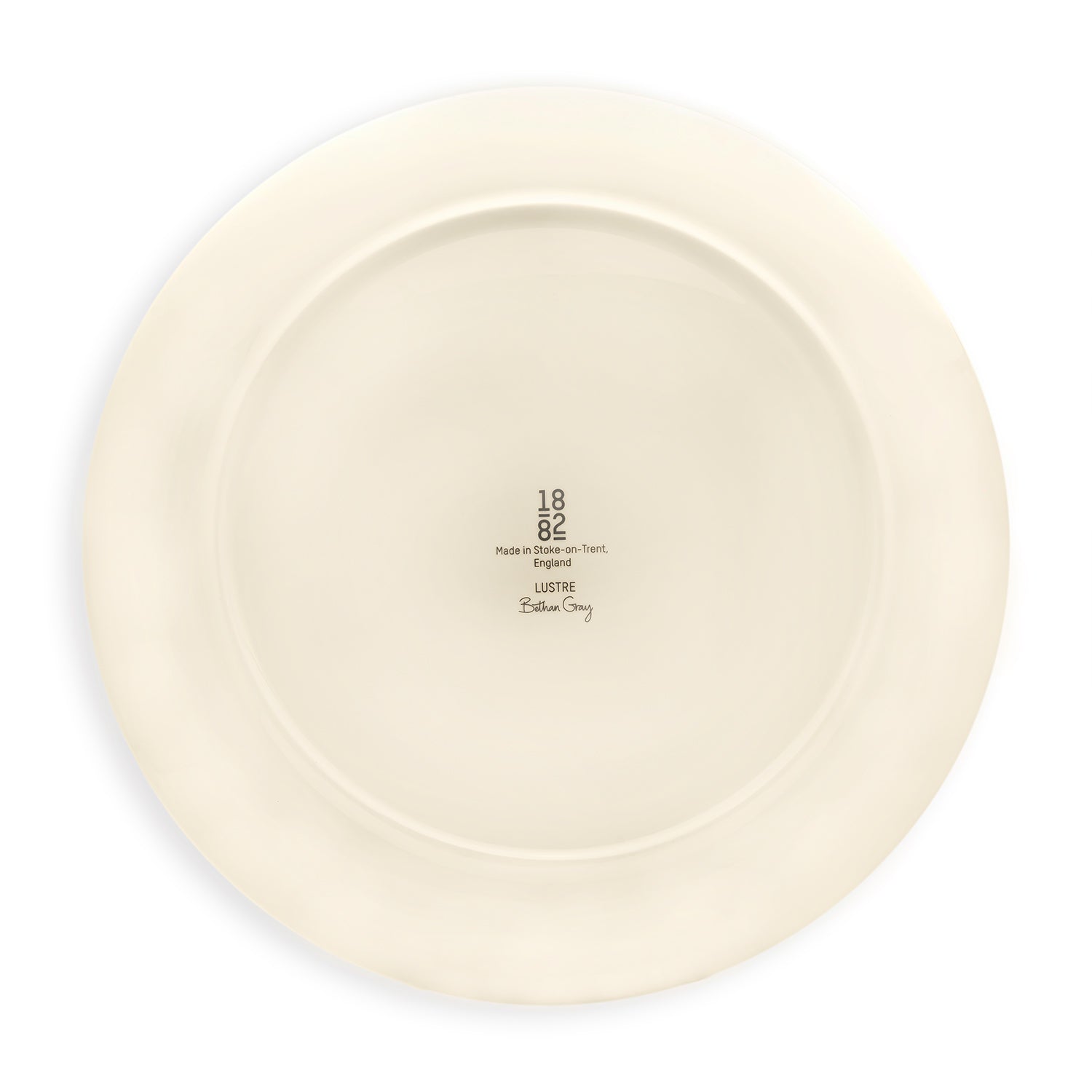
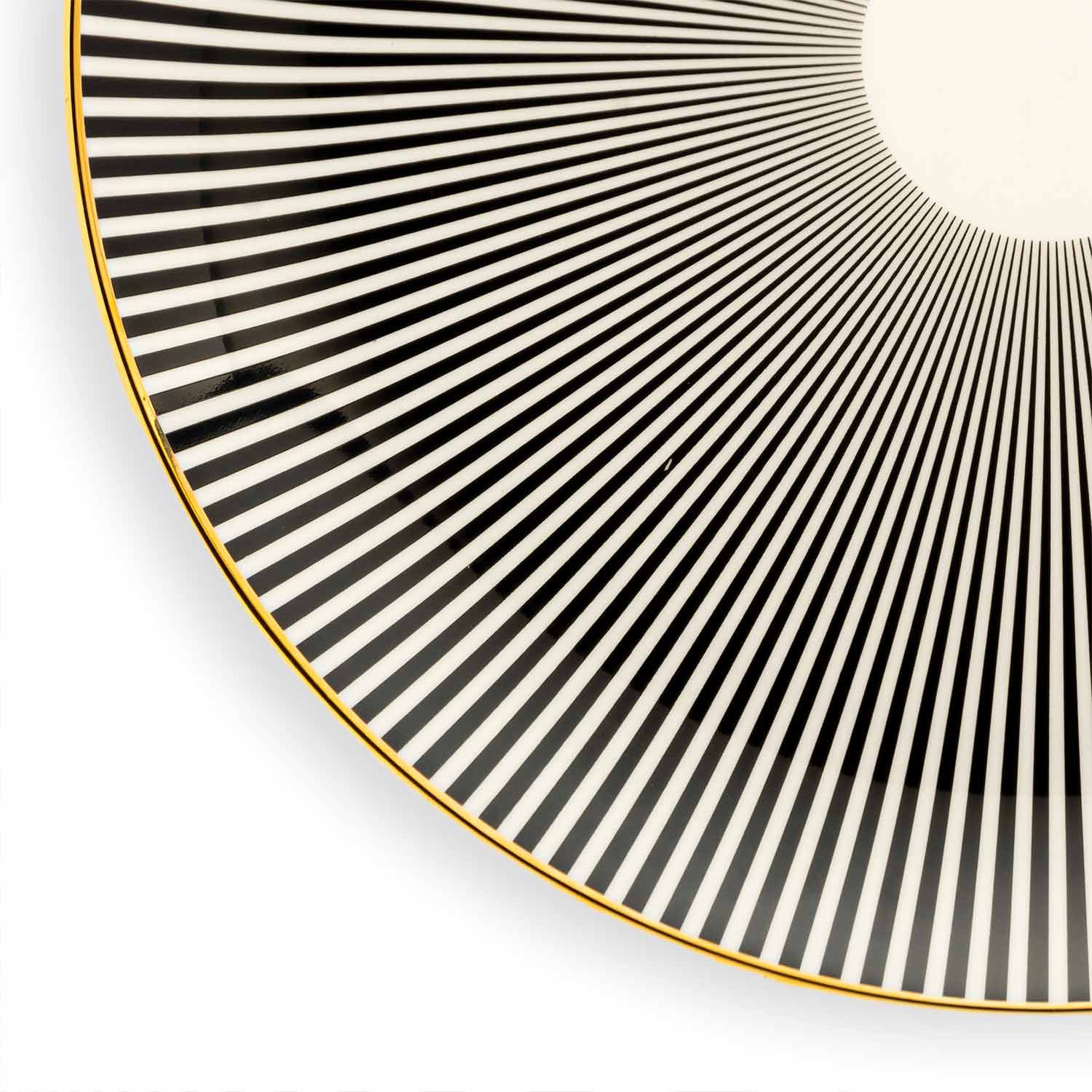
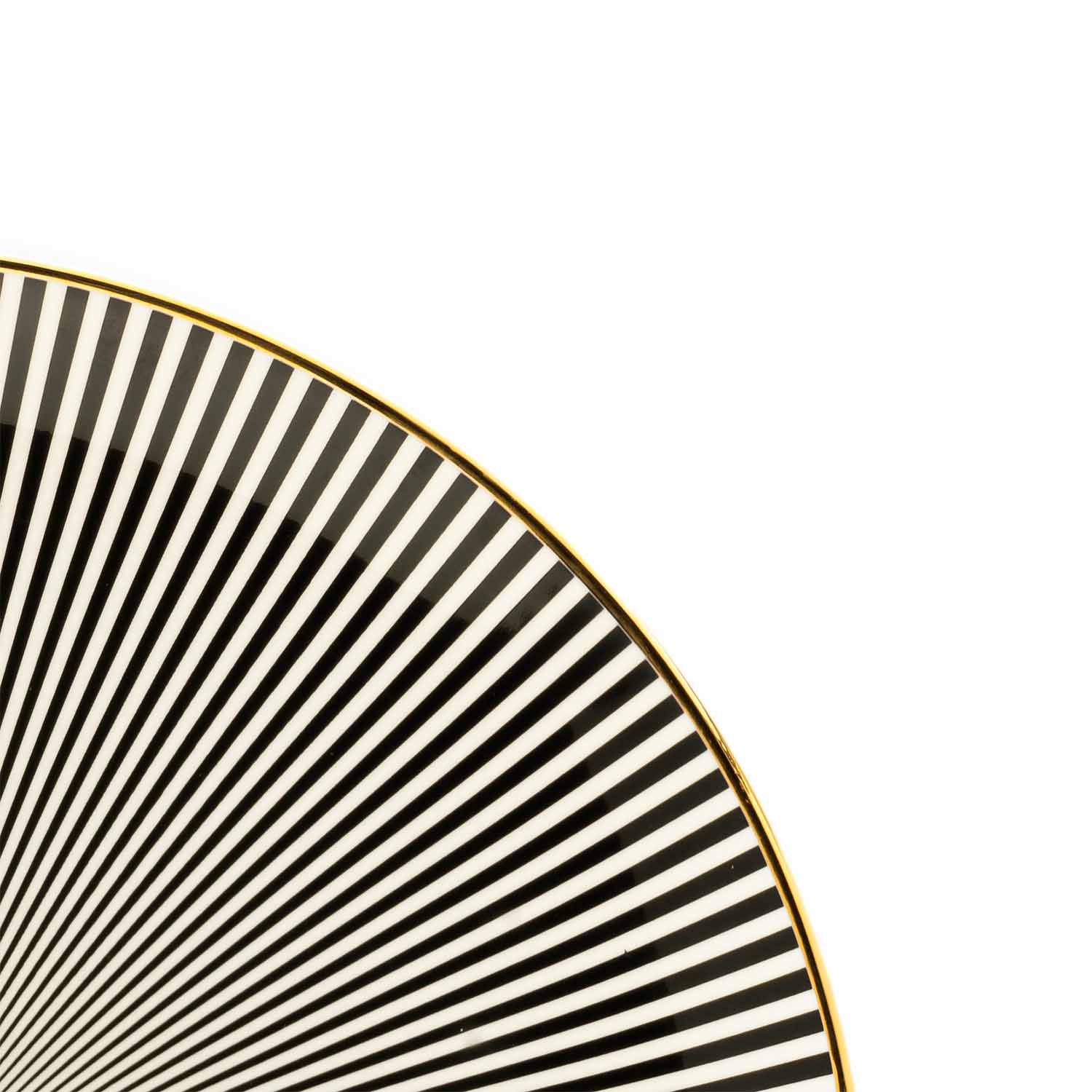
Lustre Striped Dinner Plate
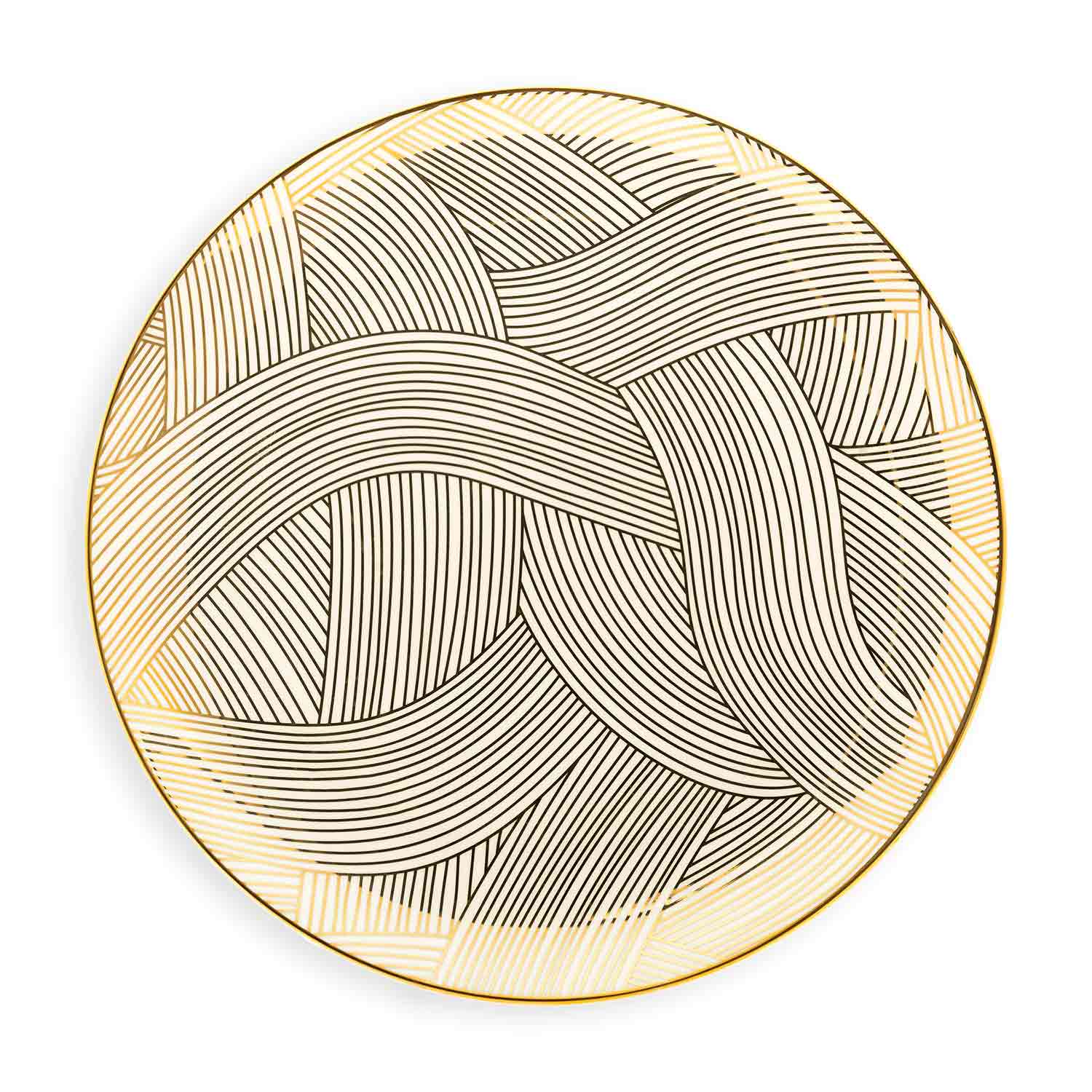
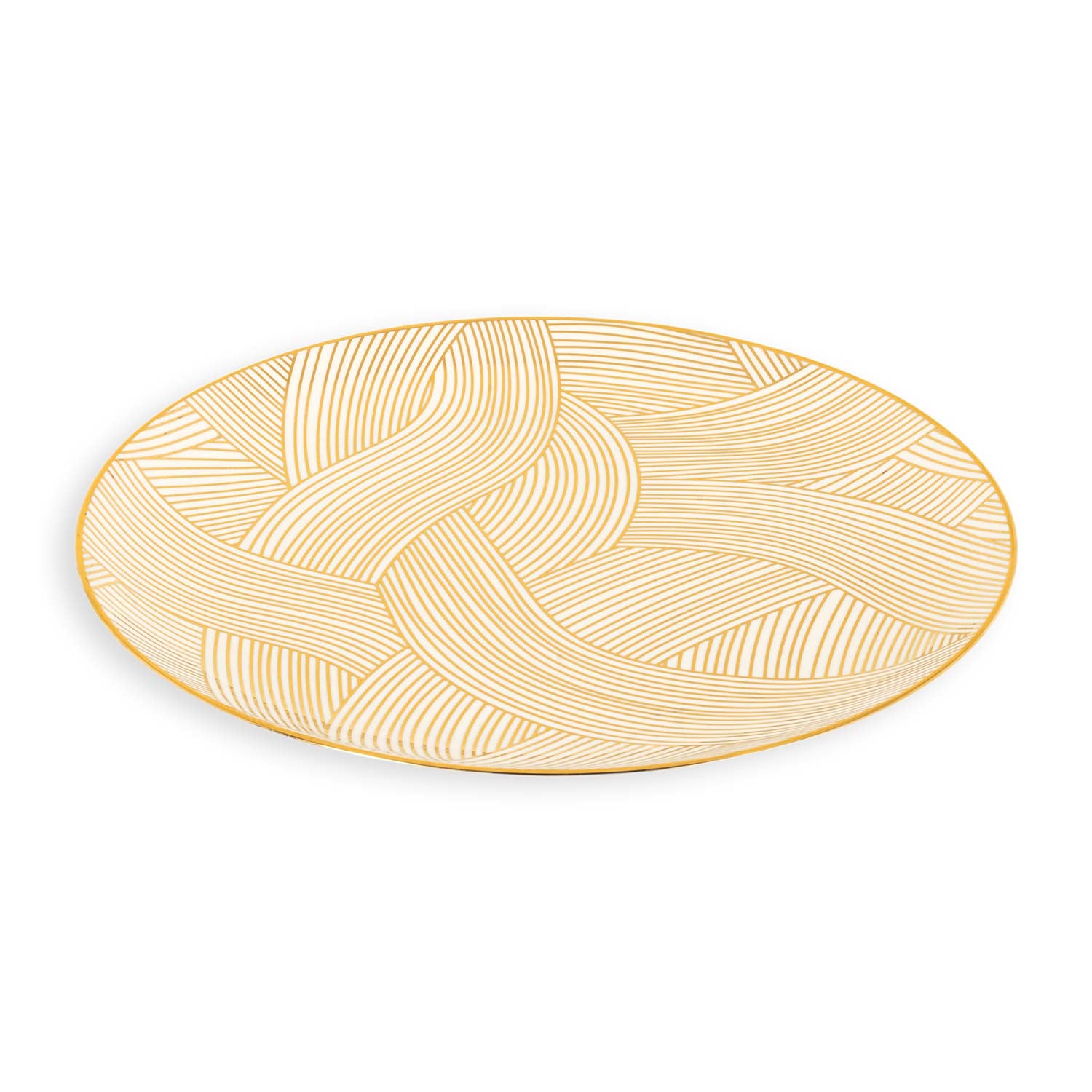
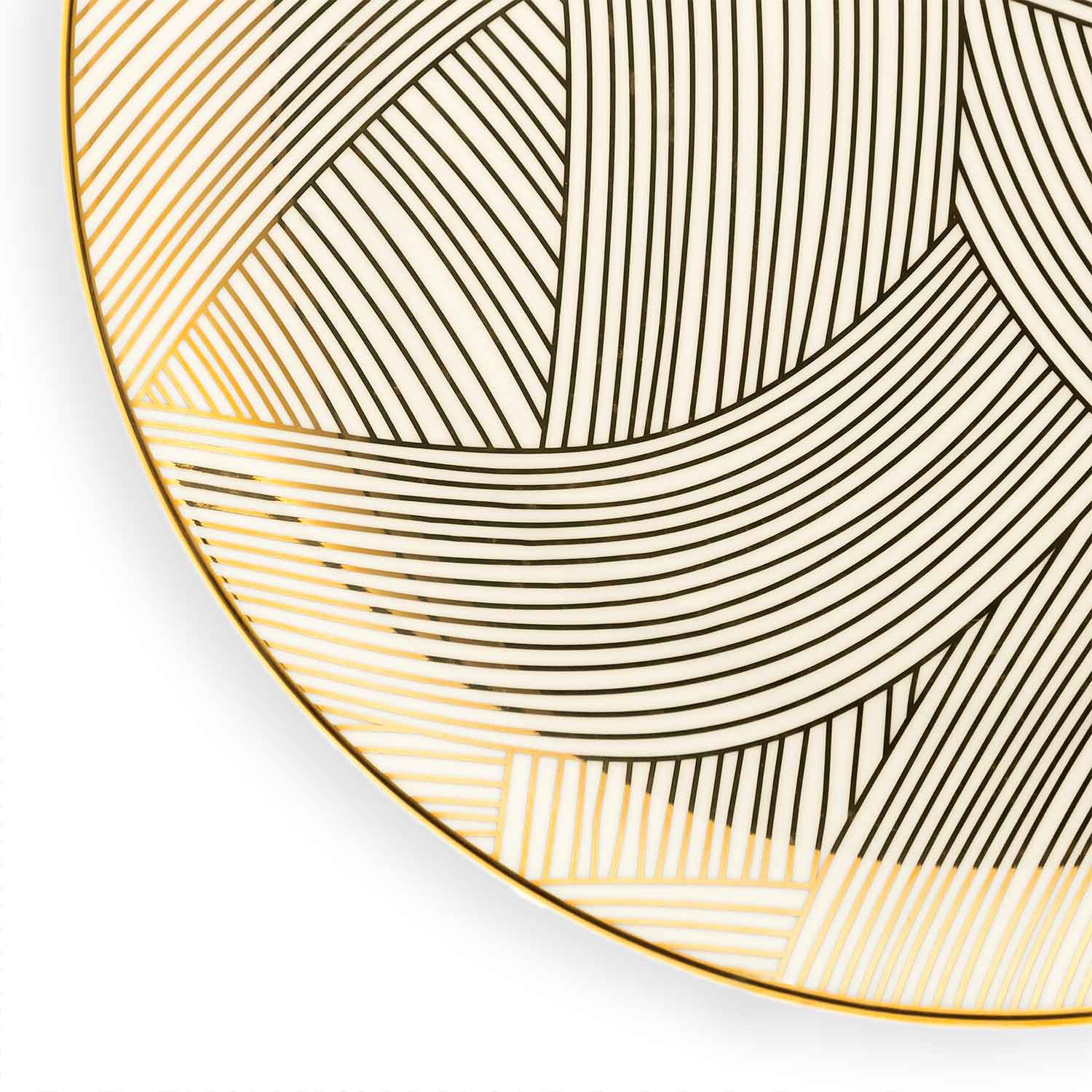
Lustre Patterned Dinner Plate
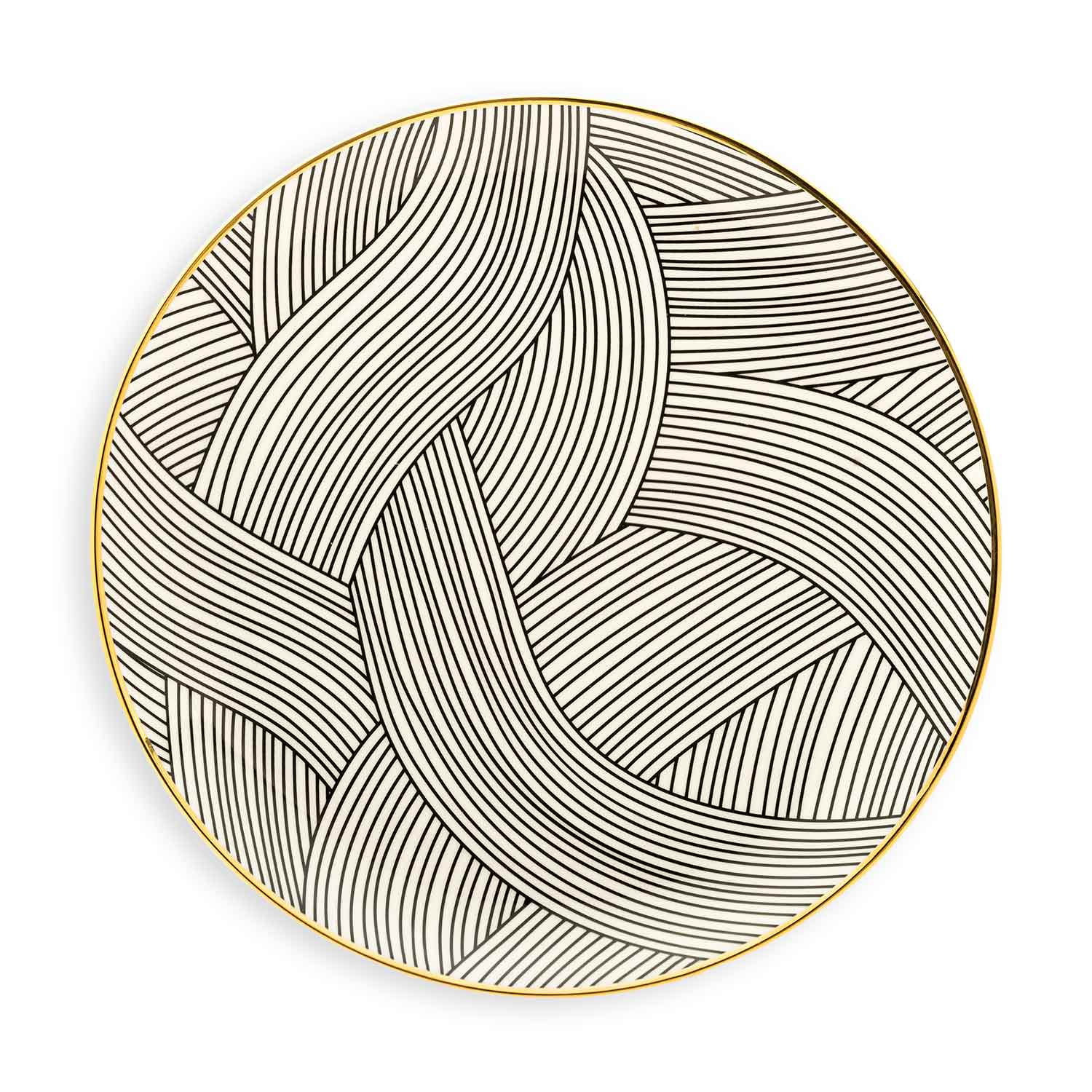
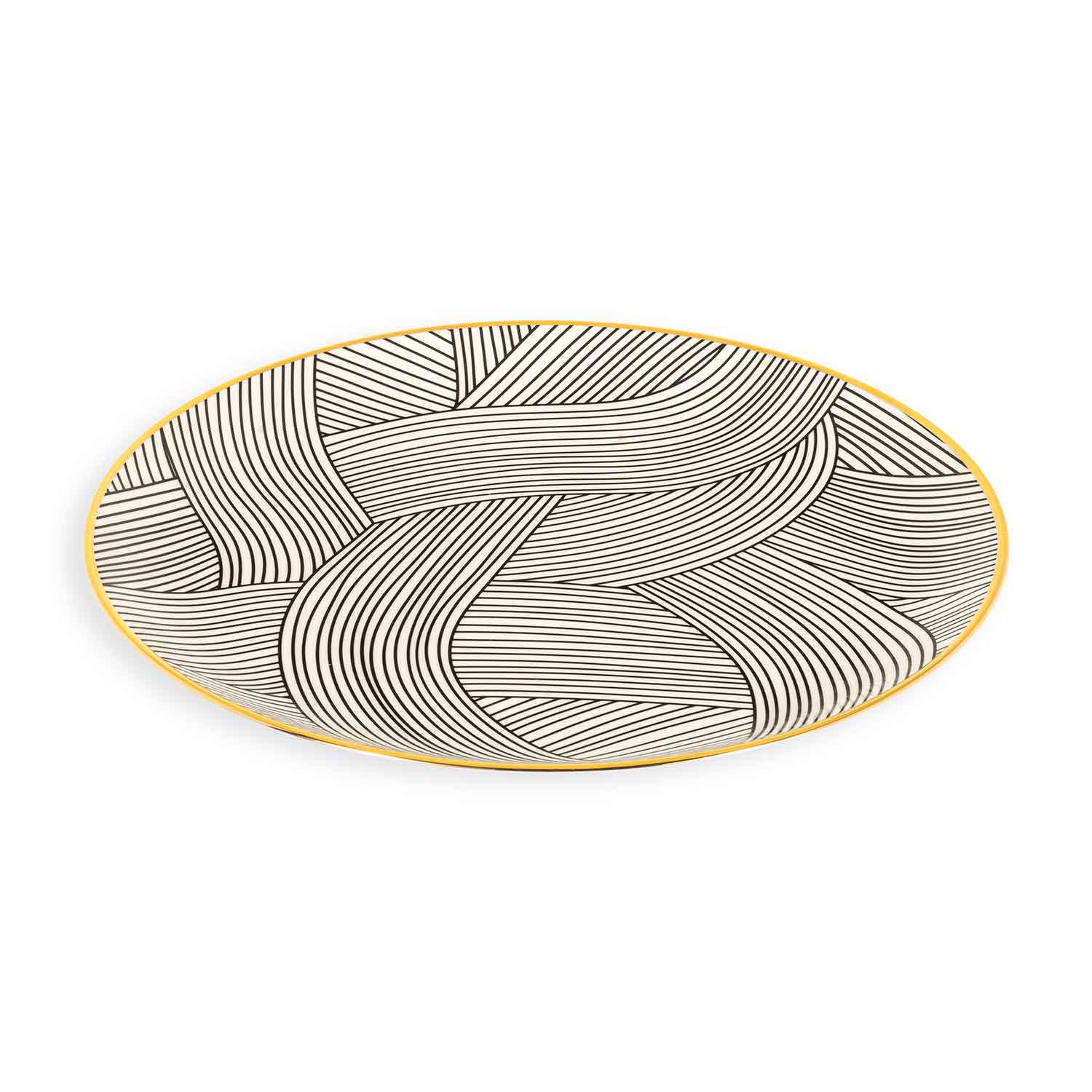
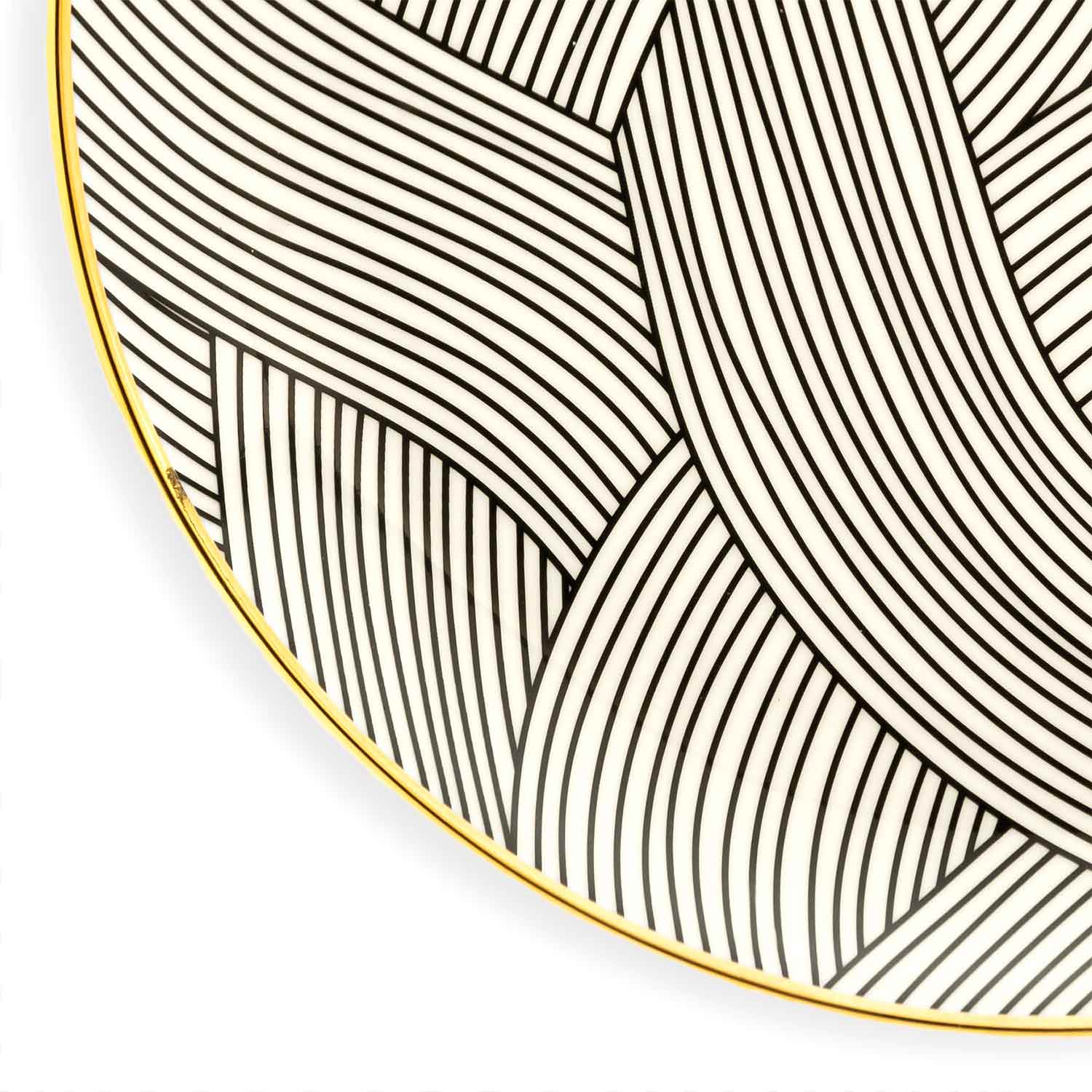
Lustre Blended Side Plate
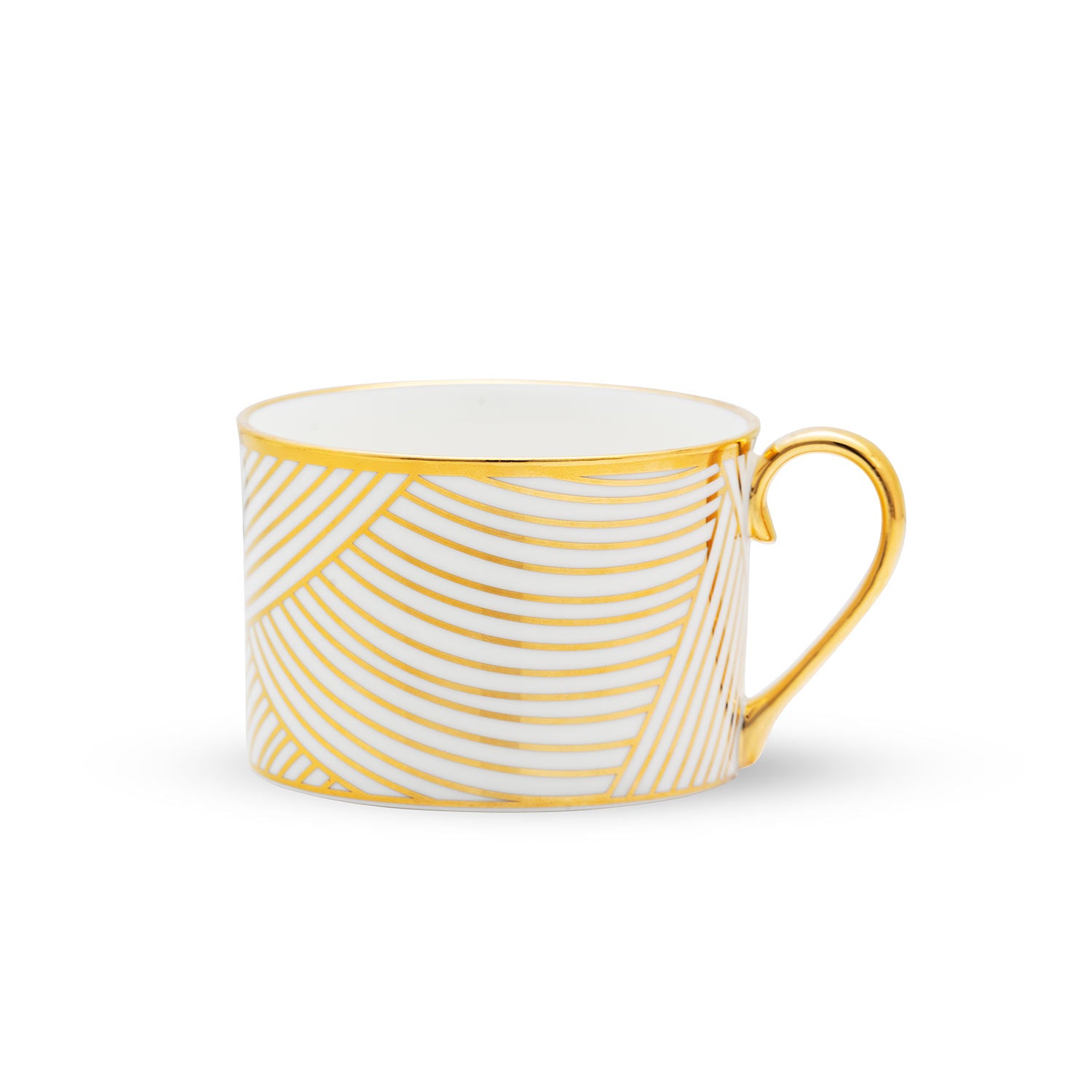
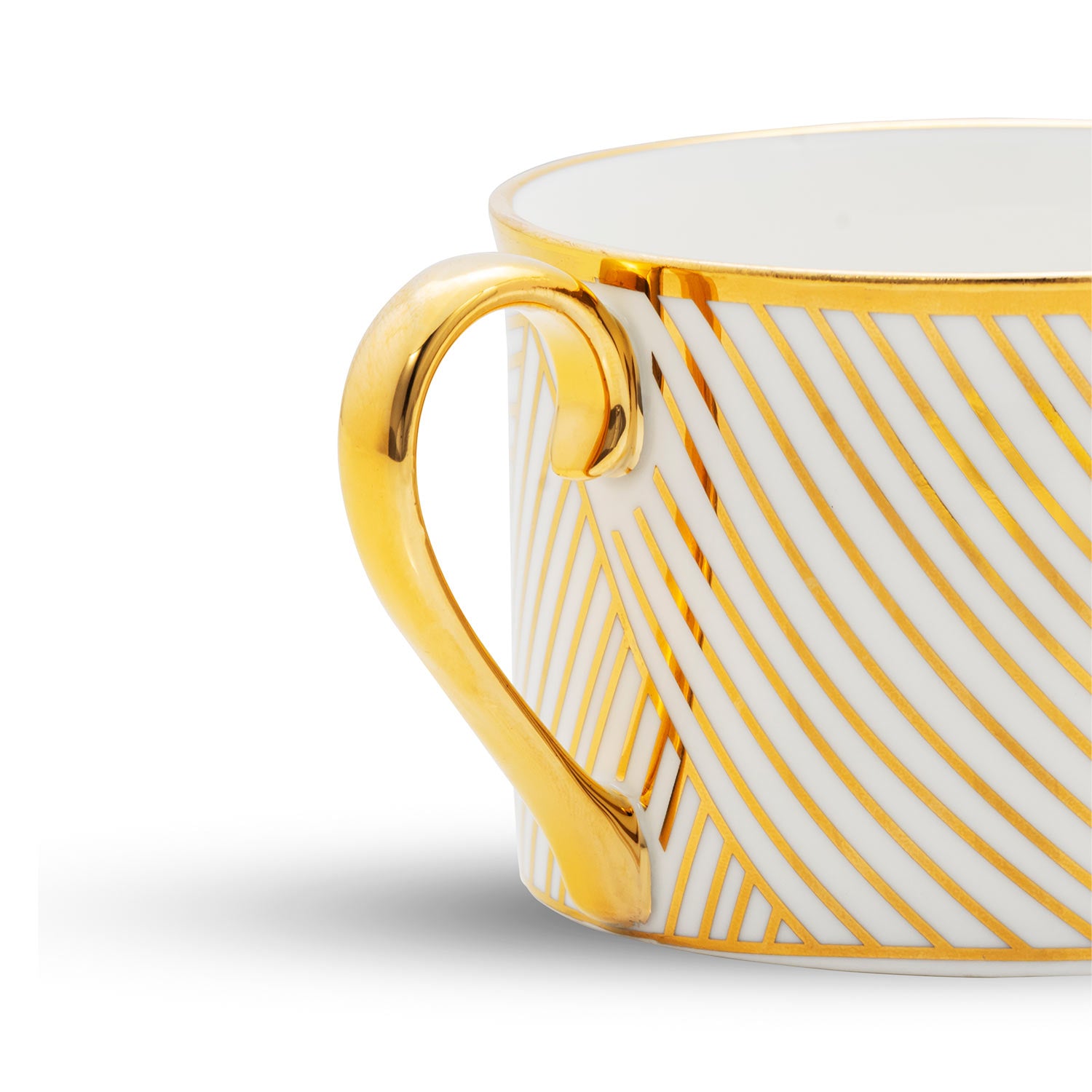
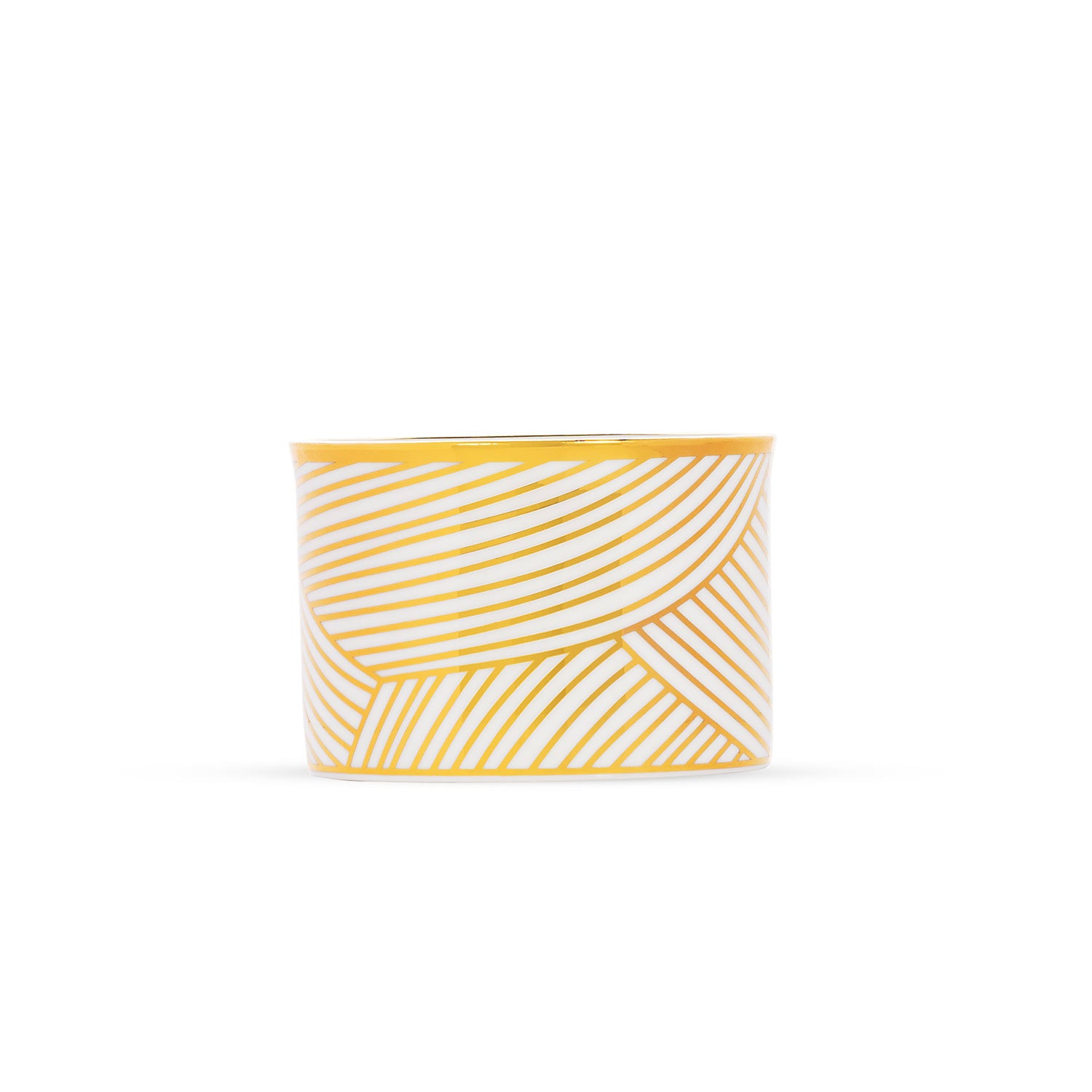
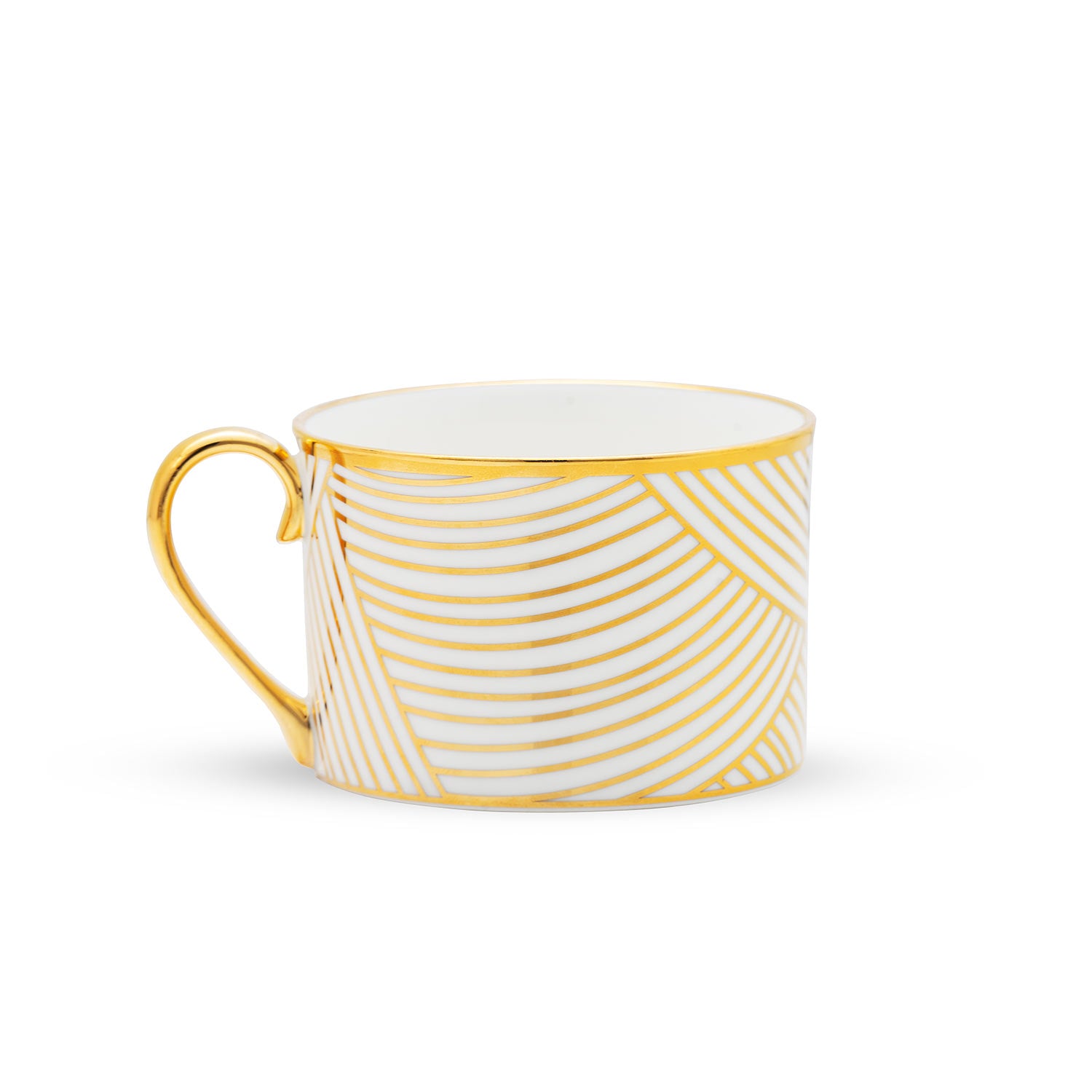
Lustre Dhow Coffee Cup
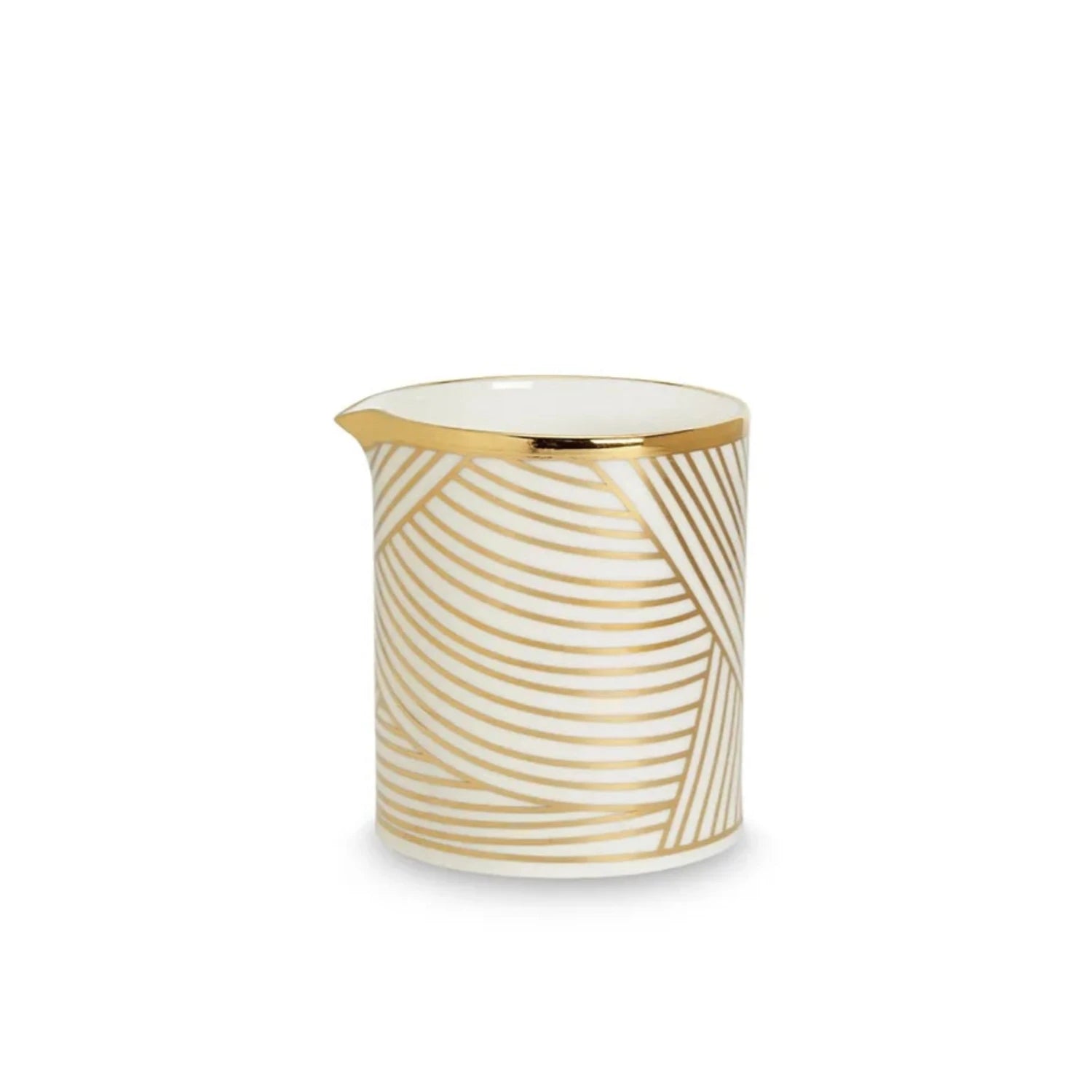
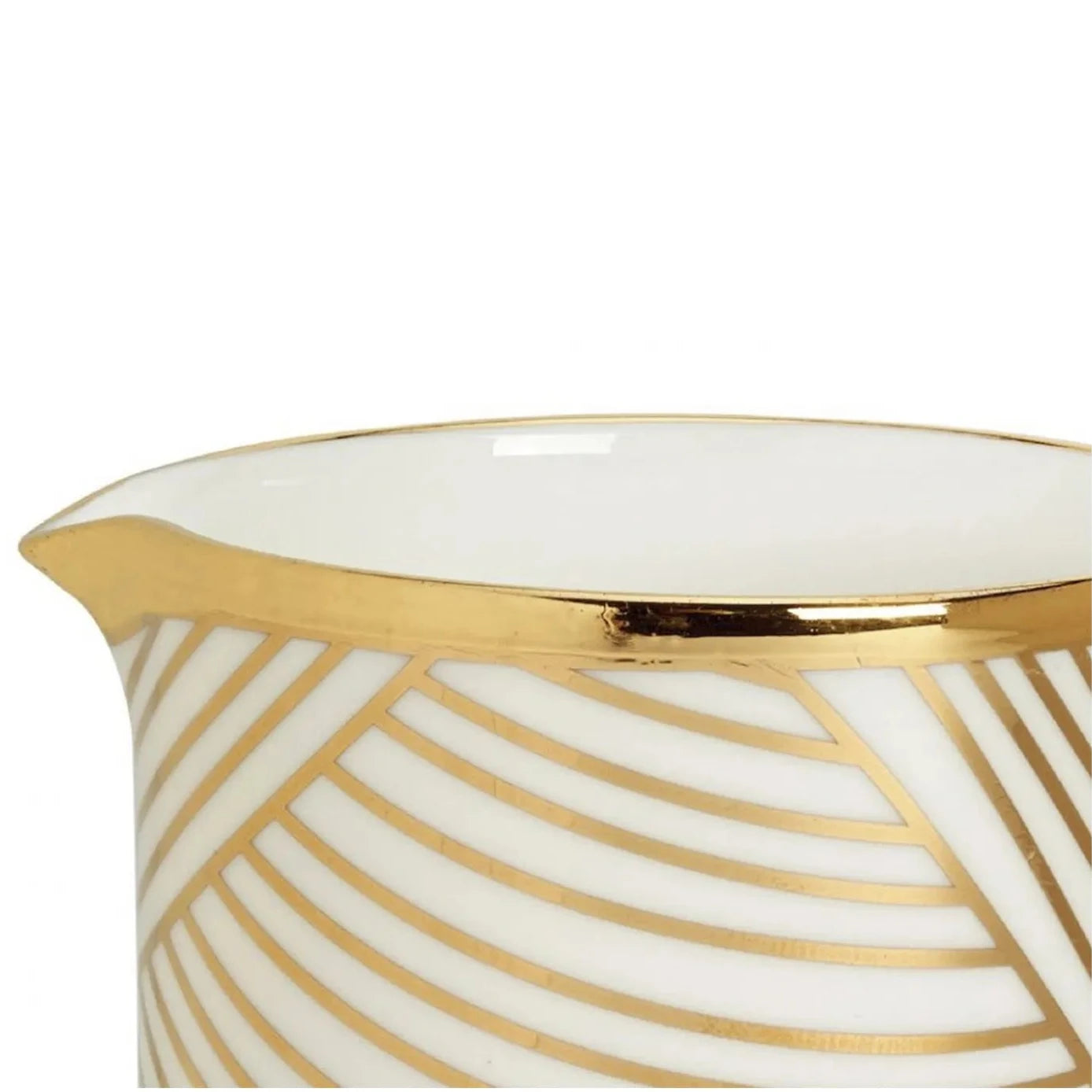
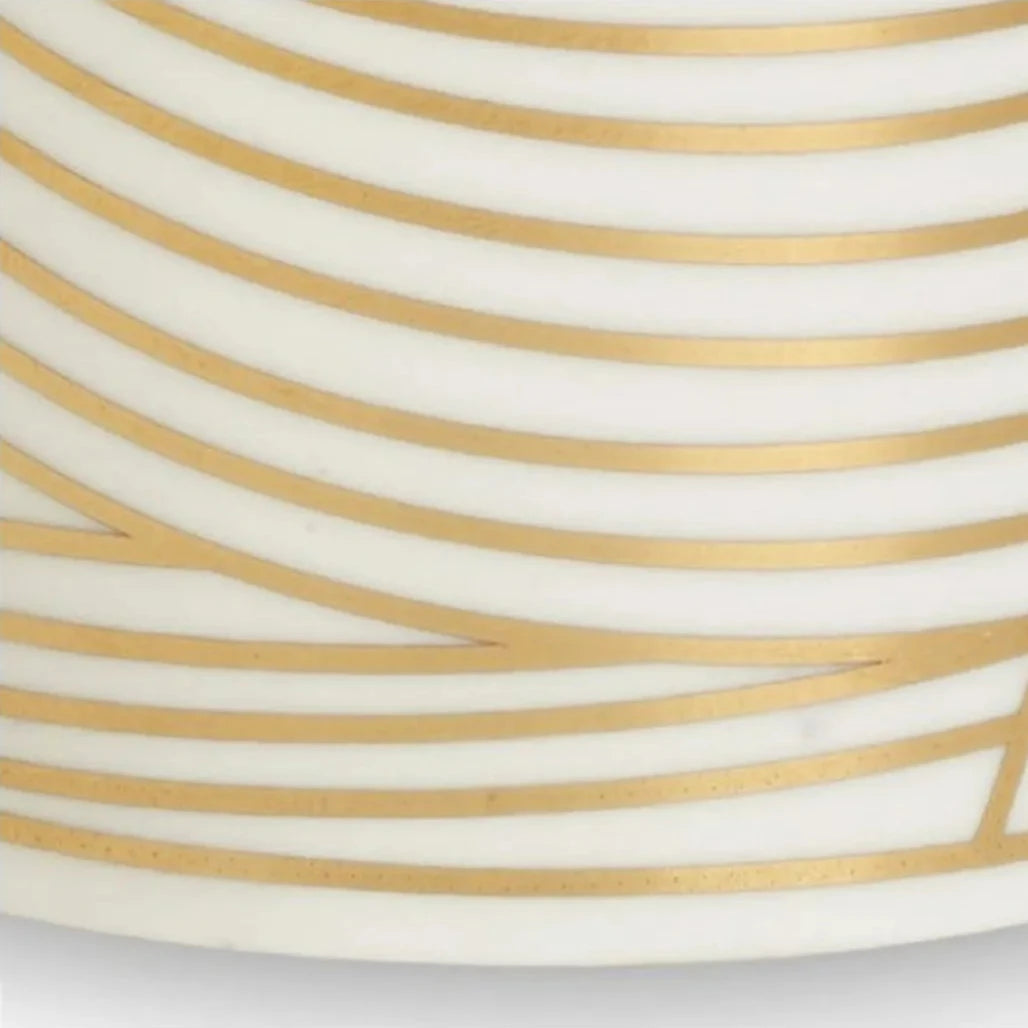
Lustre Milk Jug
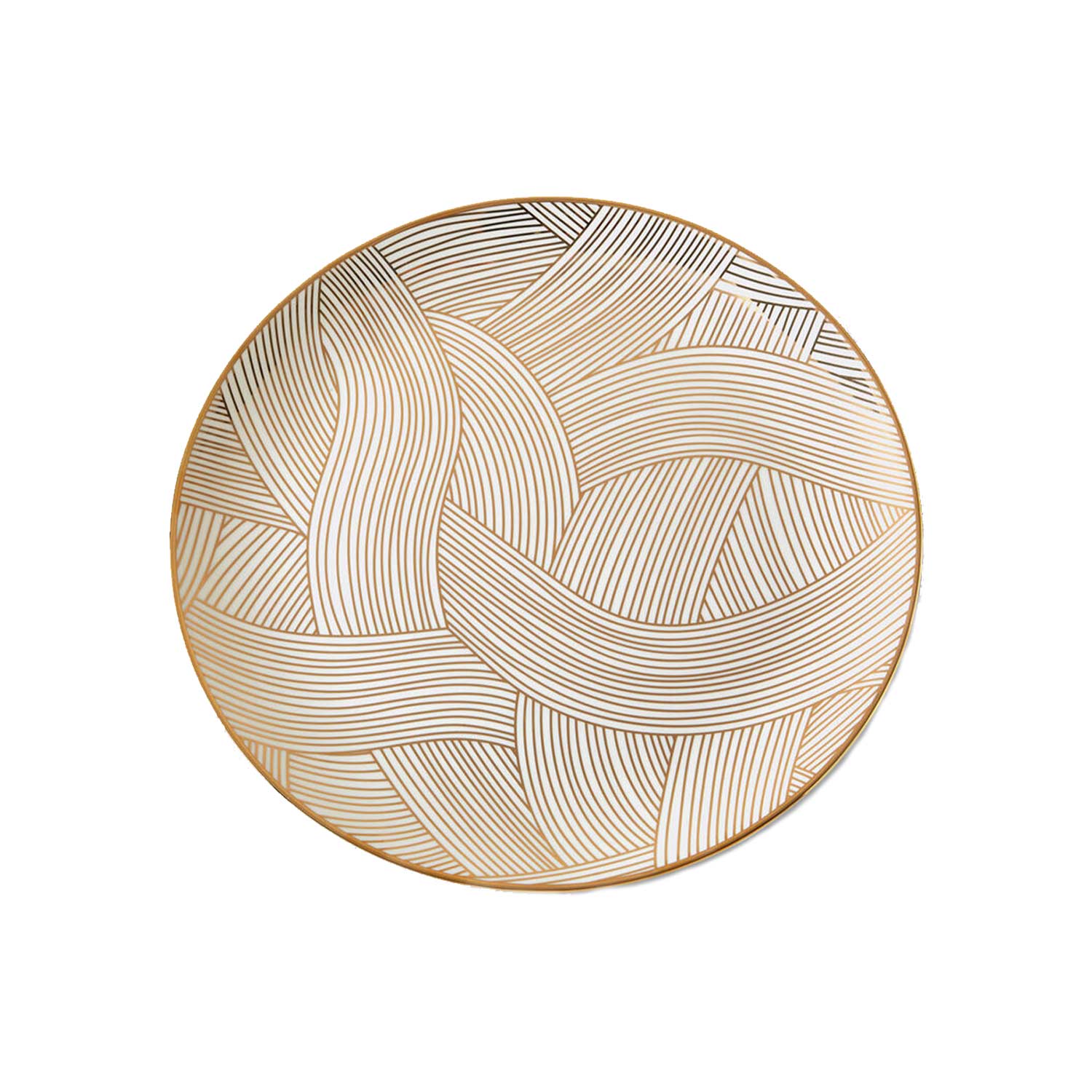
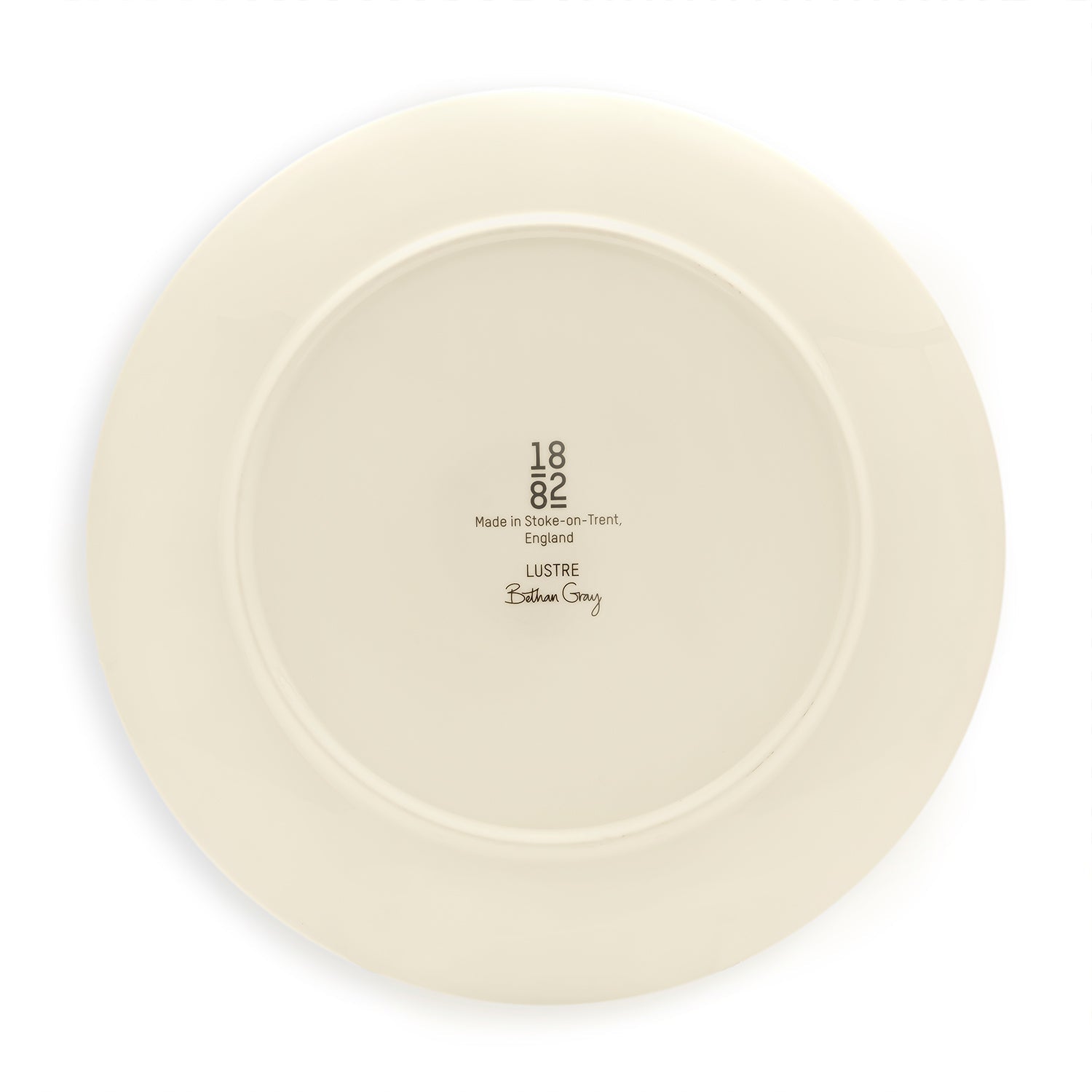
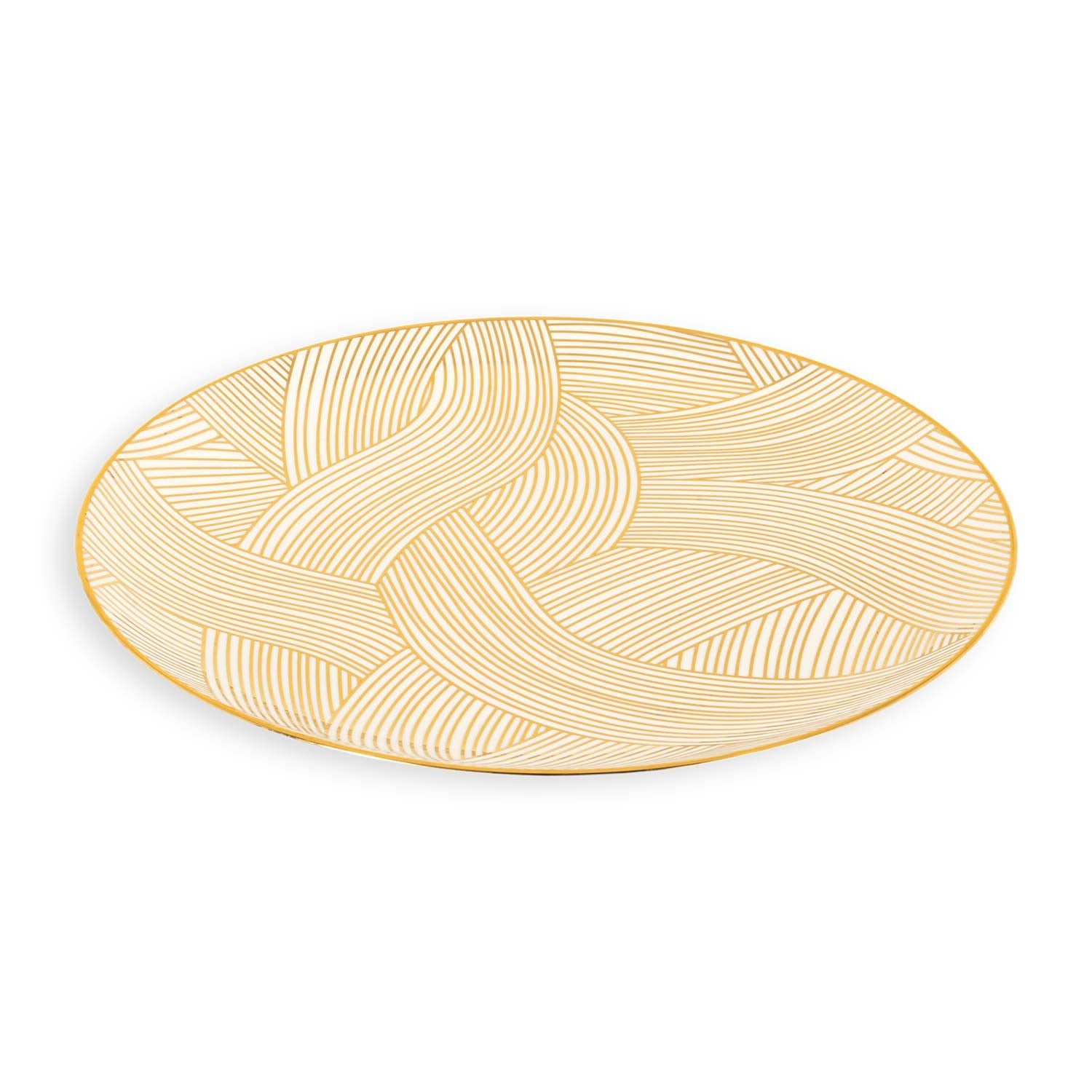
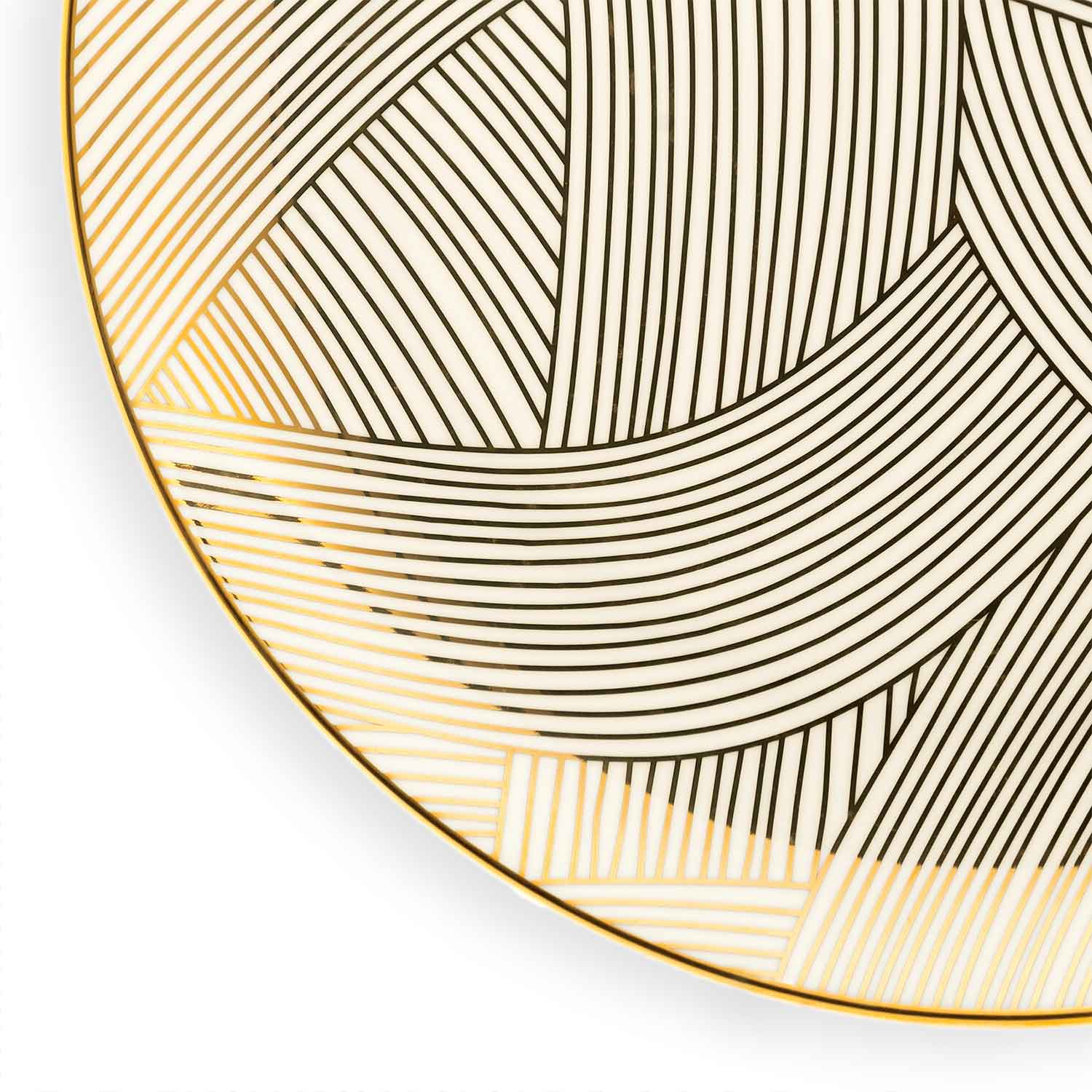
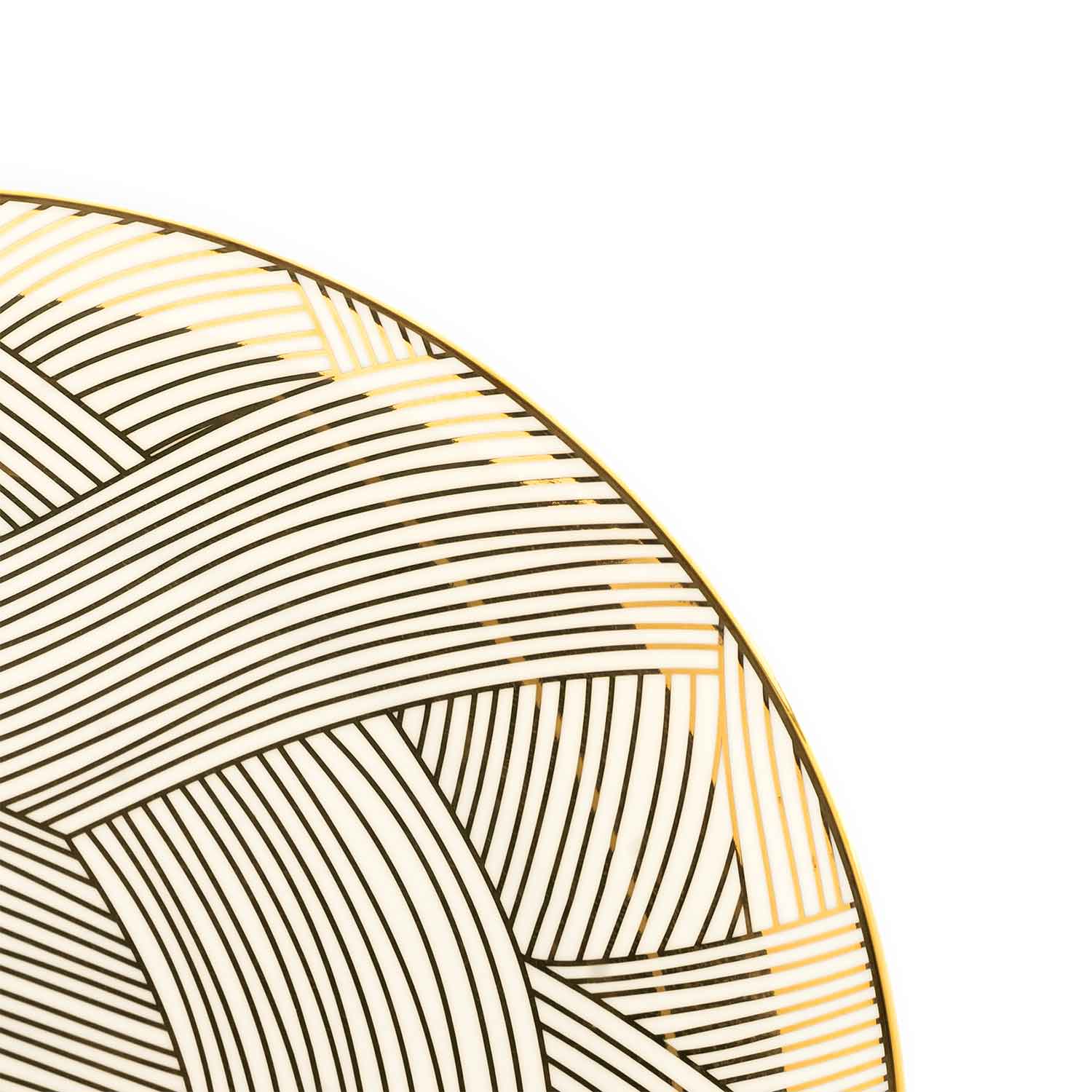
Lustre Dhow Gold Platter
1882 Ltd | Lustre Tableware | Museum-Collected British Fine Ceramics
About 1882 Ltd
1882 Ltd is a British fine ceramics studio whose work holds a distinction that only a handful of tableware makers in the world can claim: two of its collections are part of permanent museum holdings at institutions of the highest international standing. The Crockery collection, created with designer Max Lamb, is held in the permanent collection of the Musée des Arts Décoratifs at the Louvre in Paris. The Tryst collection, created with designer Amy J Hughes, is held in the permanent collection of the Victoria and Albert Museum in London.
The studio traces its roots to 1882, when the Johnson Brothers began producing ceramics in Stoke-on-Trent — the English Midlands region that is the historic centre of British fine ceramic production, and the same tradition from which Thomas Goode's own Florette and Green Garland bone china collections are produced. 1882 Ltd continues in this Stoke-on-Trent heritage while operating with a distinctly contemporary design approach: the studio works with established and emerging designers whose pieces sit as naturally in museum collections as on the formal dining table.
The 1882 Ltd collection available at Thomas Goode India is the Lustre China range, an iridescent glaze ceramic line that applies the lustre finish technique to a complete tableware service across dinner plates, side plates, espresso cups, coffee cups, nut bowls, a milk jug, and a serving platter. Thomas Goode India is one of the few luxury retailers in India where 1882 Ltd pieces are available.
The Lustre China Collection
What Is Lustre Glaze?
Lustre glaze is a ceramic surface treatment in which metallic oxides — historically compounds of gold, silver, copper, or bismuth — are applied to a fired, glazed ceramic surface and fired again in a reducing atmosphere kiln. The firing process causes the metallic compounds to partially reduce, depositing an extremely thin layer of metallic particles on the glaze surface. The resulting finish is iridescent: it catches and shifts light differently at different angles, producing a surface that reads simultaneously as metallic and translucent, warm and cool, fixed in colour and variable in tone.
The lustre technique has roots in Islamic ceramic tradition dating from the 9th century, where it was used on tin-glazed earthenware at pottery centres in Iraq, Persia, and Andalusia. It entered European ceramic production in the Renaissance period and has been part of the English ceramic vocabulary since the early 19th century, when Staffordshire potteries developed copper and silver lustre wares for the domestic market. 1882 Ltd's Lustre China applies this heritage technique to a contemporary tableware range with a refined, minimal aesthetic — the lustre finish doing the decorative work that pattern or gilding does in more overtly ornate pieces.
Dinner Plates
Two dinner plate formats are available in the Lustre China range. The Lustre Patterned Dinner Plate carries a surface where the lustre glaze is applied with a patterned treatment — the metallic finish varying in density and direction across the plate surface to produce a visual texture that shifts with the angle of light and the distance from which it is viewed. The Lustre Striped Dinner Plate applies the same iridescent finish in a striped format — parallel bands of lustre across the plate surface, producing a more structured, geometric surface character. Both are premium bone china dinner plates suited to the contemporary-luxury table setting where the lustre quality provides all the decorative presence required without pattern complexity.
Side Plates
The Lustre Blended Side Plate extends the collection into the side plate format, with the lustre glaze applied in a blended treatment, a gradation of lustre density across the plate surface that produces a softer, more organic quality than the striped or patterned formats. A blended lustre side plate alongside a patterned or striped dinner plate creates a table setting where the same material and colour world is expressed with controlled variety across different plate formats — a sophisticated contemporary tableware composition.
Espresso Cups and Coffee Cups
The Lustre Espresso Cup is one of the most compact and precise pieces in the collection. At espresso volume, the lustre finish concentrates its effect on a small, precisely formed object — the metallic shimmer of the glaze reading with particular intensity from close range, which is exactly the distance at which an espresso cup is encountered. It sits within the broader coffee cups and saucers range at Thomas Goode India alongside Herend, Halcyon Days, and Dolce & Gabbana espresso formats.
The Lustre Dhow Coffee Cup takes its name from the dhow, the traditional wooden sailing vessel of the Arabian Sea and Indian Ocean, a form whose graceful lines have been a part of the maritime and visual culture of the Indian subcontinent, the Gulf, and the East African coast for centuries. The dhow reference in the name of a coffee cup produced by a British Stoke-on-Trent ceramic studio, available at Thomas Goode India in New Delhi, places the piece specifically within the Indian Ocean cultural world, a design nod to the trade and cultural exchange that has always connected the subcontinent to Britain and the Gulf. The Lustre Dhow Coffee Cup carries the same iridescent glaze treatment as the rest of the Lustre China range.
Nut Bowls
Two nut bowl formats are available: the Lustre Nut Bowl and the Lustre Striped Nut Bowl. A nut bowl is a small, open serving bowl for nuts, confectionery, and small accompaniments — a table accent object that functions both at the formal table and as a standalone decorative piece on a console or sideboard. The Lustre Nut Bowl and Lustre Striped Nut Bowl bring the iridescent lustre treatment to a compact format that rewards close-up handling and display. They pair naturally with the Table Accents collection and the Candles & Holders range for a considered contemporary table composition.
Lustre Milk Jug
The Lustre Milk Jug is the collection's service piece for tea and coffee, a small pouring vessel for milk or cream, produced in the same iridescent lustre glaze as the rest of the range. It is the natural service companion to the Lustre Espresso Cup and Dhow Coffee Cup, and functions equally within the Pots & Creamers context of the broader Thomas Goode India collection.
Lustre Dhow Gold Platter
The Lustre Dhow Gold Platter is the collection's most statement-format serving piece, a large serving platter in the Lustre China range, finished with gold detail alongside the lustre glaze treatment. At platter scale, the lustre glaze achieves its most dramatic effect: the iridescent surface is large enough to catch light from across the room, and the gold detail provides a material warmth and visual anchor that the smaller pieces in the collection achieve through form and finish alone. It is appropriate as a centrepiece serving piece, a display object, and as the most gift-significant piece in the 1882 Ltd range at Thomas Goode India.
1882 Ltd and the Museum Collection Standard
The fact that two 1882 Ltd collections are held in permanent museum collections is not incidental to the brand's identity at Thomas Goode India, it is the central statement. The Musée des Arts Décoratifs at the Louvre and the Victoria and Albert Museum in London are among the world's foremost institutions for the applied and decorative arts. Their permanent collections represent objects selected not merely as examples of high craft but as defining contributions to the history of design — objects that document what was possible, and what was significant, in their time and material.
The Crockery collection with Max Lamb and the Tryst collection with Amy J Hughes both achieved this standing. Max Lamb is a British industrial designer known for objects that investigate materials and processes directly — his ceramics work with 1882 Ltd applies this material investigation to the Stoke-on-Trent earthenware tradition. Amy J Hughes is a ceramicist and designer whose collaborative practice has earned recognition across major design institutions. That two collaborations produced by a Stoke-on-Trent ceramics studio are now permanent acquisitions at the Louvre and the V&A is a fact with no parallel in the contemporary British ceramics industry.
The Lustre China pieces available at Thomas Goode India are not from either of the museum-held collections — they are 1882 Ltd's commercial tableware range, produced for use. But they are made by the same studio, to the same material and craft standards, with the same design intelligence that the Louvre and the V&A have recognised as significant.
The Lustre China range sits naturally alongside the contemporary design direction in the broader Dinnerware and Tableware collections at Thomas Goode India — complementing the Hering Berlin contemporary porcelain range and the Thomas Goode Velocity series for buyers building a table with a modern rather than heritage-pattern aesthetic.
To Shop 1882 Ltd Lustre China Tableware Online in India, the full collection is available at thomasgoode.in/collections/1882-ltd, with personalised assistance from the Thomas Goode India team.
Frequently Asked Questions
What is 1882 Ltd and why is it significant?
1882 Ltd is a British fine ceramics studio with roots in the Johnson Brothers' Stoke-on-Trent production heritage dating from 1882. It is significant in the contemporary design world because two of its collections are held in permanent museum collections: Crockery with Max Lamb at the Musée des Arts Décoratifs at the Louvre in Paris, and Tryst with Amy J Hughes at the Victoria and Albert Museum in London. The studio works with contemporary designers on ceramics pieces that sit at the intersection of fine craft and applied art. The Lustre China collection at Thomas Goode India is the brand's commercial tableware range, available in India at The Oberoi Hotel, New Delhi.
What is lustre glaze and how does it work on tableware?
Lustre glaze is a ceramic surface treatment where metallic oxides are applied to a fired glazed surface and refired in a reducing atmosphere kiln, depositing an extremely thin layer of metallic particles that produces an iridescent finish. The technique has roots in 9th-century Islamic ceramic tradition and became part of the British Staffordshire ceramic vocabulary in the early 19th century. On 1882 Ltd Lustre China, the iridescent surface shifts in tone and appearance with the angle of light, producing a finish that reads simultaneously as metallic and translucent — a decorative quality distinct from printed pattern or applied gilding.
Which 1882 Ltd collections are held in museum collections?
The Crockery collection, produced in collaboration with British industrial designer Max Lamb, is part of the permanent collection of the Musée des Arts Décoratifs at the Louvre in Paris. The Tryst collection, produced in collaboration with designer Amy J Hughes, is part of the permanent collection of the Victoria and Albert Museum in London. These are both permanent acquisitions, not loans or exhibitions — the pieces are part of the institutions' holdings as significant contributions to the history of applied design.
What is the Lustre Dhow Coffee Cup?
The Lustre Dhow Coffee Cup is a coffee cup in the 1882 Ltd Lustre China range with an iridescent lustre glaze finish. Its name references the dhow — the traditional wooden sailing vessel of the Arabian Sea and Indian Ocean, a form central to the maritime and trade history connecting India, the Gulf, and East Africa. The dhow naming places the piece within the cultural geography of the Indian Ocean world, making it one of the most contextually resonant pieces in the 1882 Ltd range for the Indian market.
How does the 1882 Ltd Lustre China range compare to other tableware at Thomas Goode India?
The 1882 Ltd Lustre China range occupies the contemporary design end of the Thomas Goode India tableware collection, alongside the Hering Berlin fine porcelain range and the Thomas Goode Velocity series. It is distinguished from the heritage-pattern ranges — Herend, Halcyon Days, Florette — by its iridescent lustre surface and its foundation in contemporary designer collaboration rather than historical pattern tradition. Both approaches represent the highest standards of material quality; the distinction is aesthetic and design-philosophical rather than hierarchical.
How should 1882 Ltd Lustre China be cared for?
Lustre China should be hand-washed in warm water with a mild liquid detergent and dried immediately with a soft cloth. The lustre glaze, while durable under normal use conditions, should be protected from abrasive cleaning products and prolonged dishwasher exposure, which can diminish the metallic surface quality of the finish over time. Pieces should be stored with a soft cloth or foam disc between stacked items to prevent glaze-to-glaze contact.
1882 Ltd | Lustre Tableware | Museum-Collected British Fine Ceramics
About 1882 Ltd
1882 Ltd is a British fine ceramics studio whose work holds a distinction that only a handful of tableware makers in the world can claim: two of its collections are part of permanent museum holdings at institutions of the highest international standing. The Crockery collection, created with designer Max Lamb, is held in the permanent collection of the Musée des Arts Décoratifs at the Louvre in Paris. The Tryst collection, created with designer Amy J Hughes, is held in the permanent collection of the Victoria and Albert Museum in London.
The studio traces its roots to 1882, when the Johnson Brothers began producing ceramics in Stoke-on-Trent — the English Midlands region that is the historic centre of British fine ceramic production, and the same tradition from which Thomas Goode's own Florette and Green Garland bone china collections are produced. 1882 Ltd continues in this Stoke-on-Trent heritage while operating with a distinctly contemporary design approach: the studio works with established and emerging designers whose pieces sit as naturally in museum collections as on the formal dining table.
The 1882 Ltd collection available at Thomas Goode India is the Lustre China range, an iridescent glaze ceramic line that applies the lustre finish technique to a complete tableware service across dinner plates, side plates, espresso cups, coffee cups, nut bowls, a milk jug, and a serving platter. Thomas Goode India is one of the few luxury retailers in India where 1882 Ltd pieces are available.
The Lustre China Collection
What Is Lustre Glaze?
Lustre glaze is a ceramic surface treatment in which metallic oxides — historically compounds of gold, silver, copper, or bismuth — are applied to a fired, glazed ceramic surface and fired again in a reducing atmosphere kiln. The firing process causes the metallic compounds to partially reduce, depositing an extremely thin layer of metallic particles on the glaze surface. The resulting finish is iridescent: it catches and shifts light differently at different angles, producing a surface that reads simultaneously as metallic and translucent, warm and cool, fixed in colour and variable in tone.
The lustre technique has roots in Islamic ceramic tradition dating from the 9th century, where it was used on tin-glazed earthenware at pottery centres in Iraq, Persia, and Andalusia. It entered European ceramic production in the Renaissance period and has been part of the English ceramic vocabulary since the early 19th century, when Staffordshire potteries developed copper and silver lustre wares for the domestic market. 1882 Ltd's Lustre China applies this heritage technique to a contemporary tableware range with a refined, minimal aesthetic — the lustre finish doing the decorative work that pattern or gilding does in more overtly ornate pieces.
Dinner Plates
Two dinner plate formats are available in the Lustre China range. The Lustre Patterned Dinner Plate carries a surface where the lustre glaze is applied with a patterned treatment — the metallic finish varying in density and direction across the plate surface to produce a visual texture that shifts with the angle of light and the distance from which it is viewed. The Lustre Striped Dinner Plate applies the same iridescent finish in a striped format — parallel bands of lustre across the plate surface, producing a more structured, geometric surface character. Both are premium bone china dinner plates suited to the contemporary-luxury table setting where the lustre quality provides all the decorative presence required without pattern complexity.
Side Plates
The Lustre Blended Side Plate extends the collection into the side plate format, with the lustre glaze applied in a blended treatment, a gradation of lustre density across the plate surface that produces a softer, more organic quality than the striped or patterned formats. A blended lustre side plate alongside a patterned or striped dinner plate creates a table setting where the same material and colour world is expressed with controlled variety across different plate formats — a sophisticated contemporary tableware composition.
Espresso Cups and Coffee Cups
The Lustre Espresso Cup is one of the most compact and precise pieces in the collection. At espresso volume, the lustre finish concentrates its effect on a small, precisely formed object — the metallic shimmer of the glaze reading with particular intensity from close range, which is exactly the distance at which an espresso cup is encountered. It sits within the broader coffee cups and saucers range at Thomas Goode India alongside Herend, Halcyon Days, and Dolce & Gabbana espresso formats.
The Lustre Dhow Coffee Cup takes its name from the dhow, the traditional wooden sailing vessel of the Arabian Sea and Indian Ocean, a form whose graceful lines have been a part of the maritime and visual culture of the Indian subcontinent, the Gulf, and the East African coast for centuries. The dhow reference in the name of a coffee cup produced by a British Stoke-on-Trent ceramic studio, available at Thomas Goode India in New Delhi, places the piece specifically within the Indian Ocean cultural world, a design nod to the trade and cultural exchange that has always connected the subcontinent to Britain and the Gulf. The Lustre Dhow Coffee Cup carries the same iridescent glaze treatment as the rest of the Lustre China range.
Nut Bowls
Two nut bowl formats are available: the Lustre Nut Bowl and the Lustre Striped Nut Bowl. A nut bowl is a small, open serving bowl for nuts, confectionery, and small accompaniments — a table accent object that functions both at the formal table and as a standalone decorative piece on a console or sideboard. The Lustre Nut Bowl and Lustre Striped Nut Bowl bring the iridescent lustre treatment to a compact format that rewards close-up handling and display. They pair naturally with the Table Accents collection and the Candles & Holders range for a considered contemporary table composition.
Lustre Milk Jug
The Lustre Milk Jug is the collection's service piece for tea and coffee, a small pouring vessel for milk or cream, produced in the same iridescent lustre glaze as the rest of the range. It is the natural service companion to the Lustre Espresso Cup and Dhow Coffee Cup, and functions equally within the Pots & Creamers context of the broader Thomas Goode India collection.
Lustre Dhow Gold Platter
The Lustre Dhow Gold Platter is the collection's most statement-format serving piece, a large serving platter in the Lustre China range, finished with gold detail alongside the lustre glaze treatment. At platter scale, the lustre glaze achieves its most dramatic effect: the iridescent surface is large enough to catch light from across the room, and the gold detail provides a material warmth and visual anchor that the smaller pieces in the collection achieve through form and finish alone. It is appropriate as a centrepiece serving piece, a display object, and as the most gift-significant piece in the 1882 Ltd range at Thomas Goode India.
1882 Ltd and the Museum Collection Standard
The fact that two 1882 Ltd collections are held in permanent museum collections is not incidental to the brand's identity at Thomas Goode India, it is the central statement. The Musée des Arts Décoratifs at the Louvre and the Victoria and Albert Museum in London are among the world's foremost institutions for the applied and decorative arts. Their permanent collections represent objects selected not merely as examples of high craft but as defining contributions to the history of design — objects that document what was possible, and what was significant, in their time and material.
The Crockery collection with Max Lamb and the Tryst collection with Amy J Hughes both achieved this standing. Max Lamb is a British industrial designer known for objects that investigate materials and processes directly — his ceramics work with 1882 Ltd applies this material investigation to the Stoke-on-Trent earthenware tradition. Amy J Hughes is a ceramicist and designer whose collaborative practice has earned recognition across major design institutions. That two collaborations produced by a Stoke-on-Trent ceramics studio are now permanent acquisitions at the Louvre and the V&A is a fact with no parallel in the contemporary British ceramics industry.
The Lustre China pieces available at Thomas Goode India are not from either of the museum-held collections — they are 1882 Ltd's commercial tableware range, produced for use. But they are made by the same studio, to the same material and craft standards, with the same design intelligence that the Louvre and the V&A have recognised as significant.
The Lustre China range sits naturally alongside the contemporary design direction in the broader Dinnerware and Tableware collections at Thomas Goode India — complementing the Hering Berlin contemporary porcelain range and the Thomas Goode Velocity series for buyers building a table with a modern rather than heritage-pattern aesthetic.
To Shop 1882 Ltd Lustre China Tableware Online in India, the full collection is available at thomasgoode.in/collections/1882-ltd, with personalised assistance from the Thomas Goode India team.
Frequently Asked Questions
What is 1882 Ltd and why is it significant?
1882 Ltd is a British fine ceramics studio with roots in the Johnson Brothers' Stoke-on-Trent production heritage dating from 1882. It is significant in the contemporary design world because two of its collections are held in permanent museum collections: Crockery with Max Lamb at the Musée des Arts Décoratifs at the Louvre in Paris, and Tryst with Amy J Hughes at the Victoria and Albert Museum in London. The studio works with contemporary designers on ceramics pieces that sit at the intersection of fine craft and applied art. The Lustre China collection at Thomas Goode India is the brand's commercial tableware range, available in India at The Oberoi Hotel, New Delhi.
What is lustre glaze and how does it work on tableware?
Lustre glaze is a ceramic surface treatment where metallic oxides are applied to a fired glazed surface and refired in a reducing atmosphere kiln, depositing an extremely thin layer of metallic particles that produces an iridescent finish. The technique has roots in 9th-century Islamic ceramic tradition and became part of the British Staffordshire ceramic vocabulary in the early 19th century. On 1882 Ltd Lustre China, the iridescent surface shifts in tone and appearance with the angle of light, producing a finish that reads simultaneously as metallic and translucent — a decorative quality distinct from printed pattern or applied gilding.
Which 1882 Ltd collections are held in museum collections?
The Crockery collection, produced in collaboration with British industrial designer Max Lamb, is part of the permanent collection of the Musée des Arts Décoratifs at the Louvre in Paris. The Tryst collection, produced in collaboration with designer Amy J Hughes, is part of the permanent collection of the Victoria and Albert Museum in London. These are both permanent acquisitions, not loans or exhibitions — the pieces are part of the institutions' holdings as significant contributions to the history of applied design.
What is the Lustre Dhow Coffee Cup?
The Lustre Dhow Coffee Cup is a coffee cup in the 1882 Ltd Lustre China range with an iridescent lustre glaze finish. Its name references the dhow — the traditional wooden sailing vessel of the Arabian Sea and Indian Ocean, a form central to the maritime and trade history connecting India, the Gulf, and East Africa. The dhow naming places the piece within the cultural geography of the Indian Ocean world, making it one of the most contextually resonant pieces in the 1882 Ltd range for the Indian market.
How does the 1882 Ltd Lustre China range compare to other tableware at Thomas Goode India?
The 1882 Ltd Lustre China range occupies the contemporary design end of the Thomas Goode India tableware collection, alongside the Hering Berlin fine porcelain range and the Thomas Goode Velocity series. It is distinguished from the heritage-pattern ranges — Herend, Halcyon Days, Florette — by its iridescent lustre surface and its foundation in contemporary designer collaboration rather than historical pattern tradition. Both approaches represent the highest standards of material quality; the distinction is aesthetic and design-philosophical rather than hierarchical.
How should 1882 Ltd Lustre China be cared for?
Lustre China should be hand-washed in warm water with a mild liquid detergent and dried immediately with a soft cloth. The lustre glaze, while durable under normal use conditions, should be protected from abrasive cleaning products and prolonged dishwasher exposure, which can diminish the metallic surface quality of the finish over time. Pieces should be stored with a soft cloth or foam disc between stacked items to prevent glaze-to-glaze contact.