
Hering Berlin
Hering Berlin is a renowned German brand celebrated for its exquisite porcelain tableware. Under the creative direction of Stefanie Hering, the brand has redefined modern dining with its minimalist yet elegant designs. Each piece is meticulously crafted using traditional techniques, resulting in a unique interplay of glaze and matte biscuit. Hering Berlin's tableware, known for its exceptional quality and durability, is a timeless addition to any dining table, elevating every meal into a memorable experience.
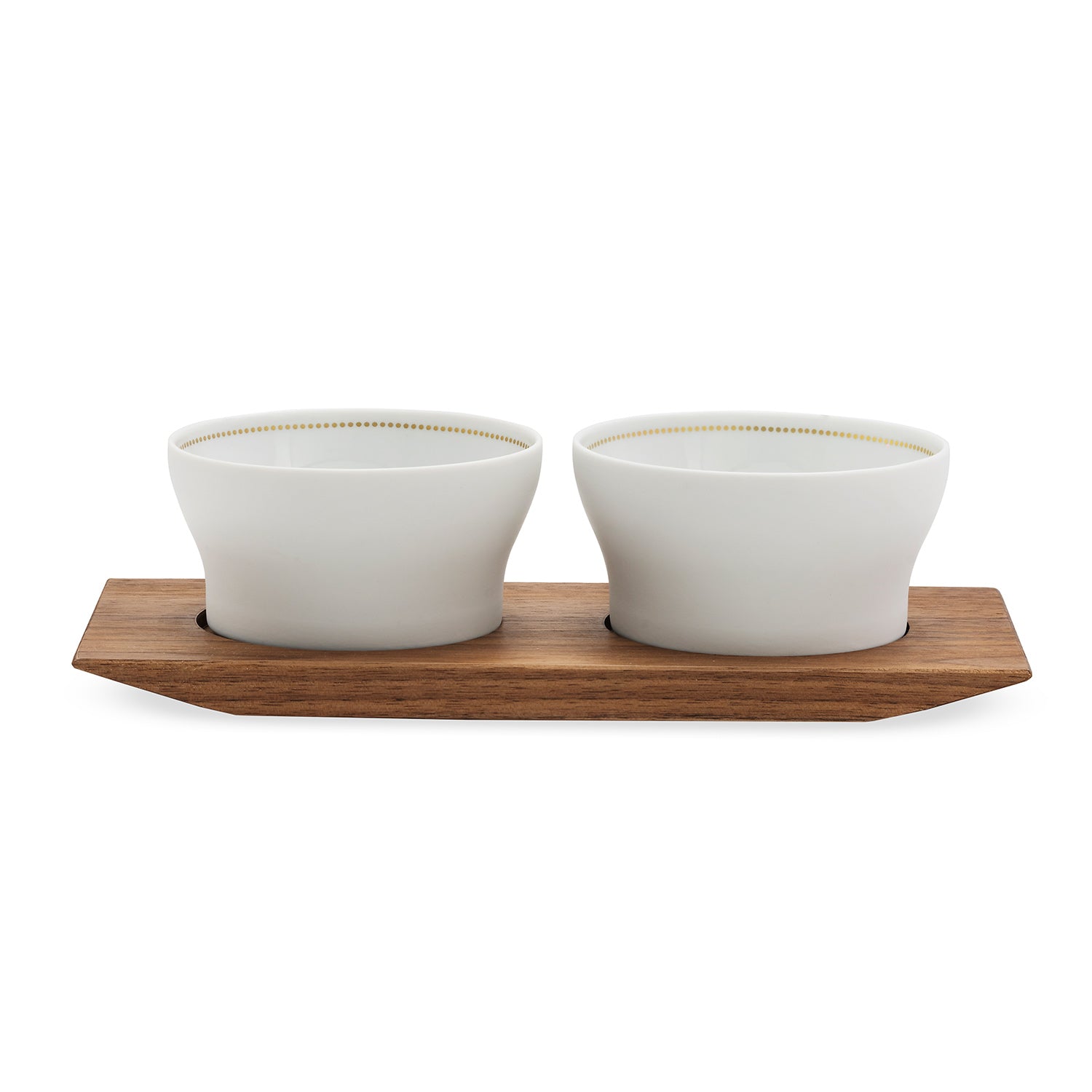
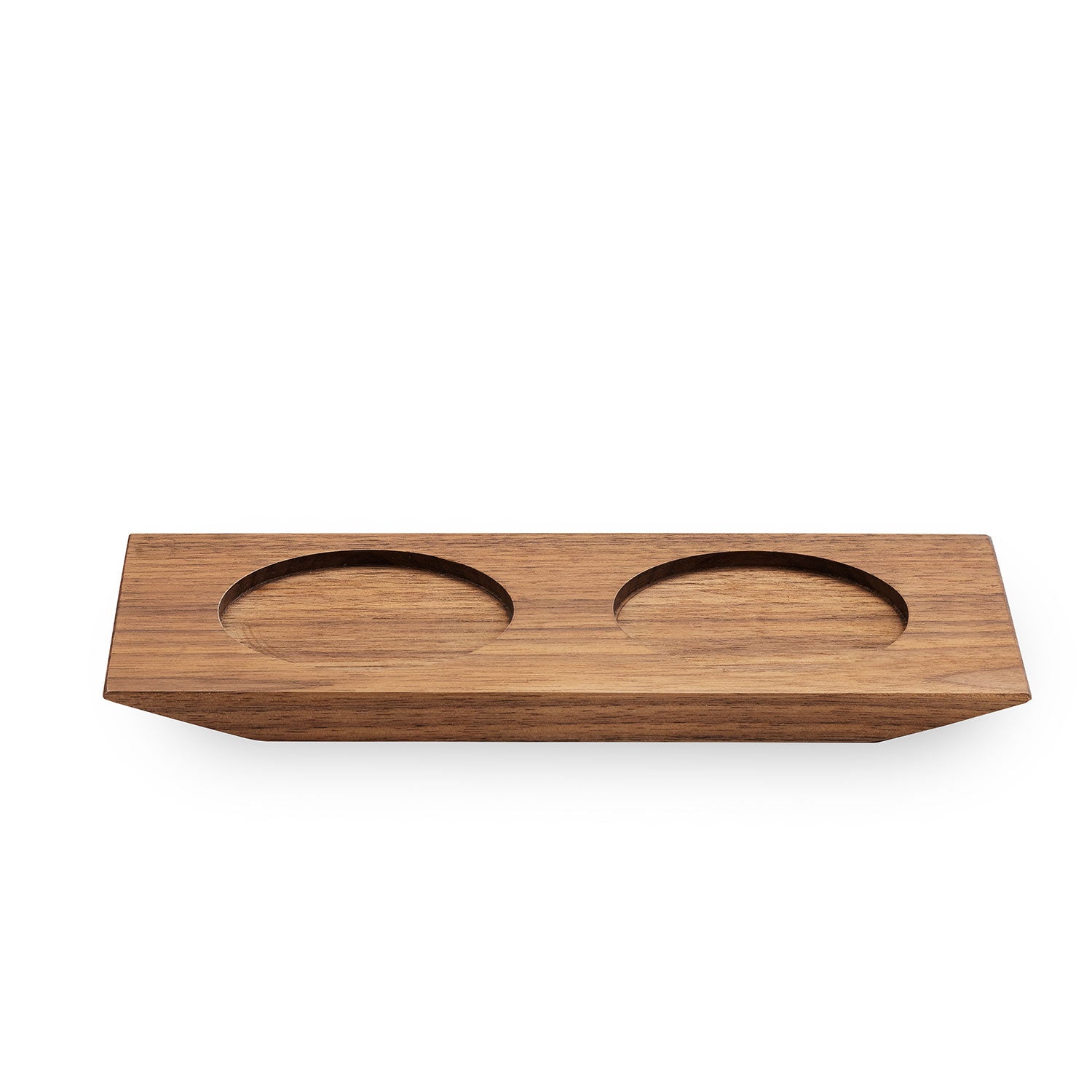
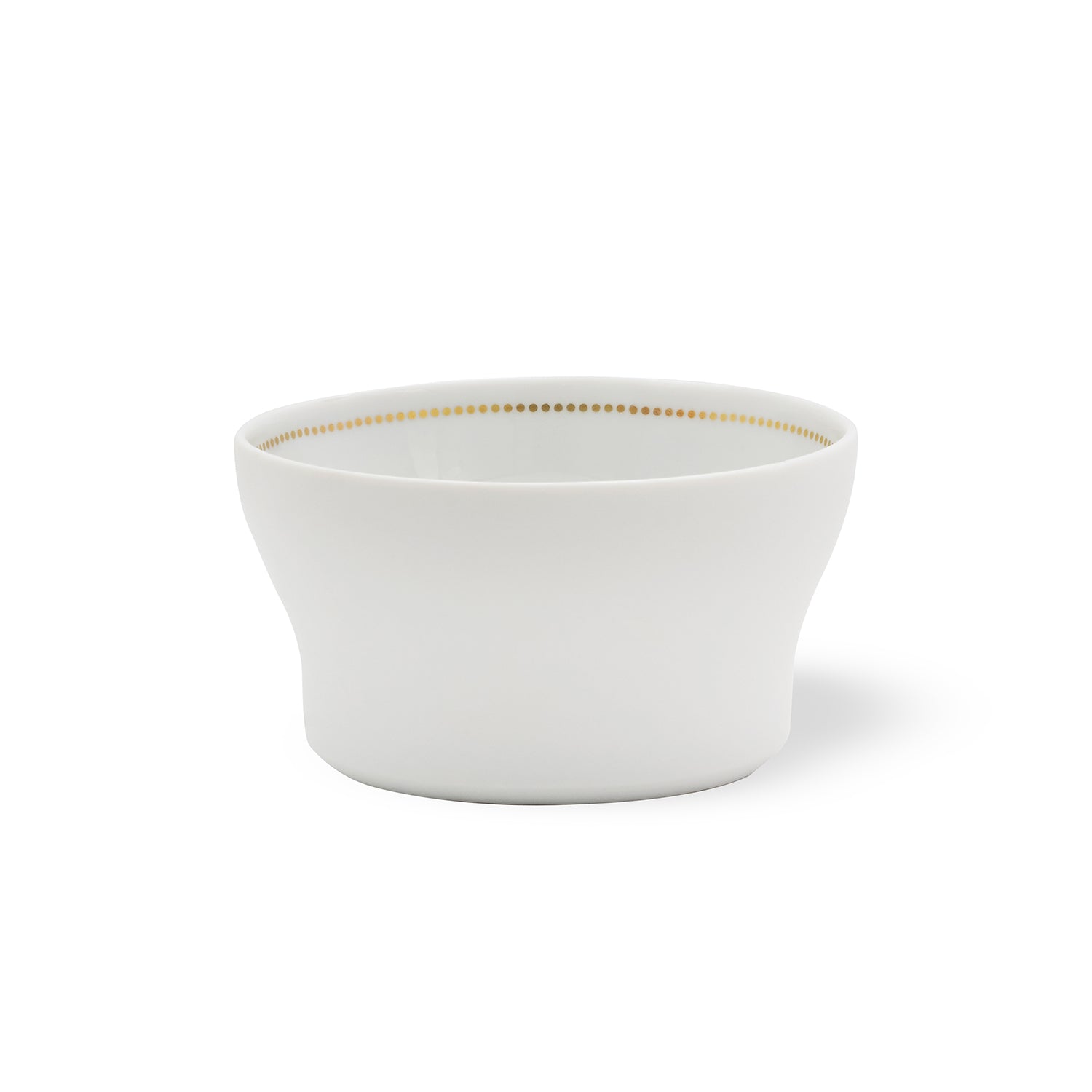
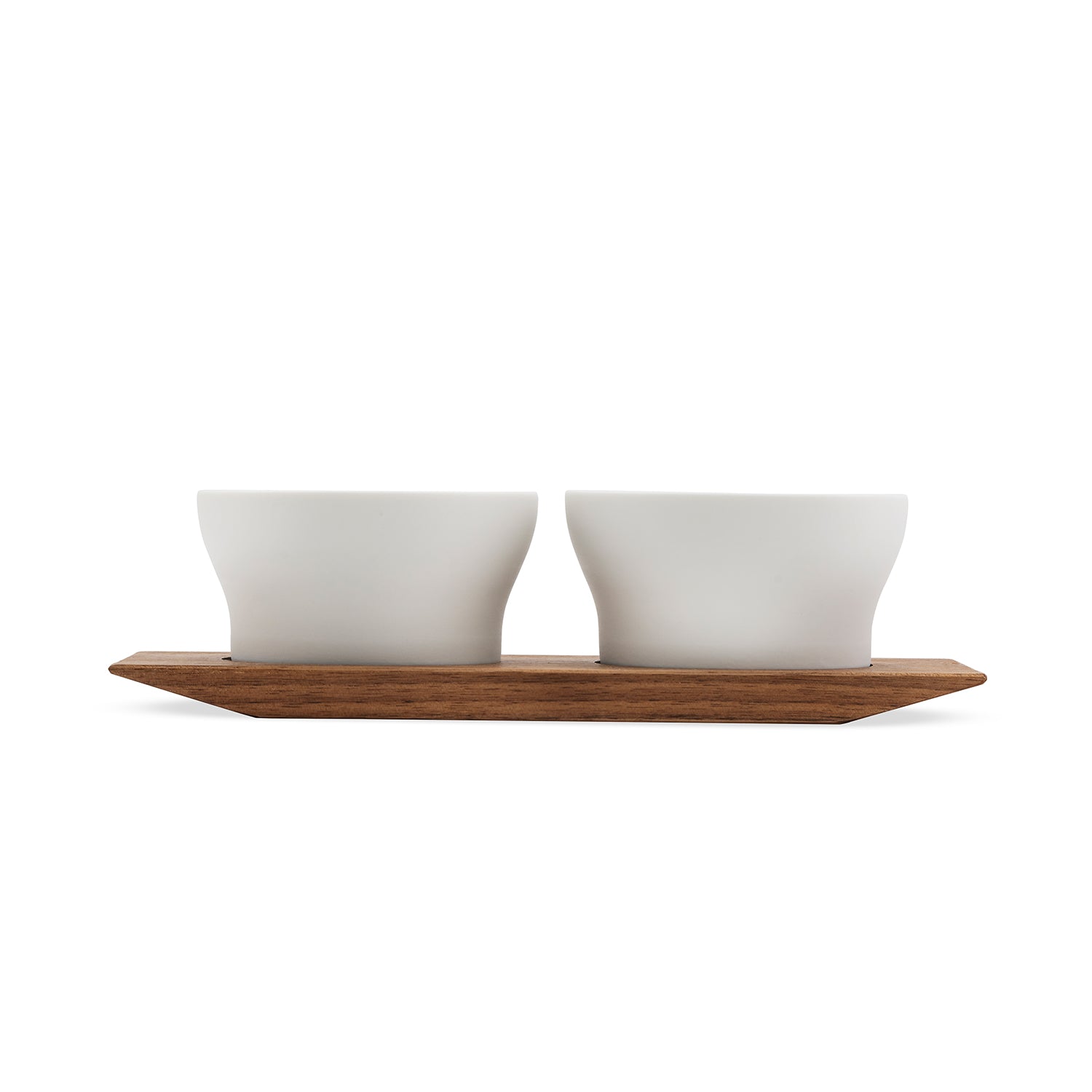
Set Of 2 Condiment Bowls On Stand
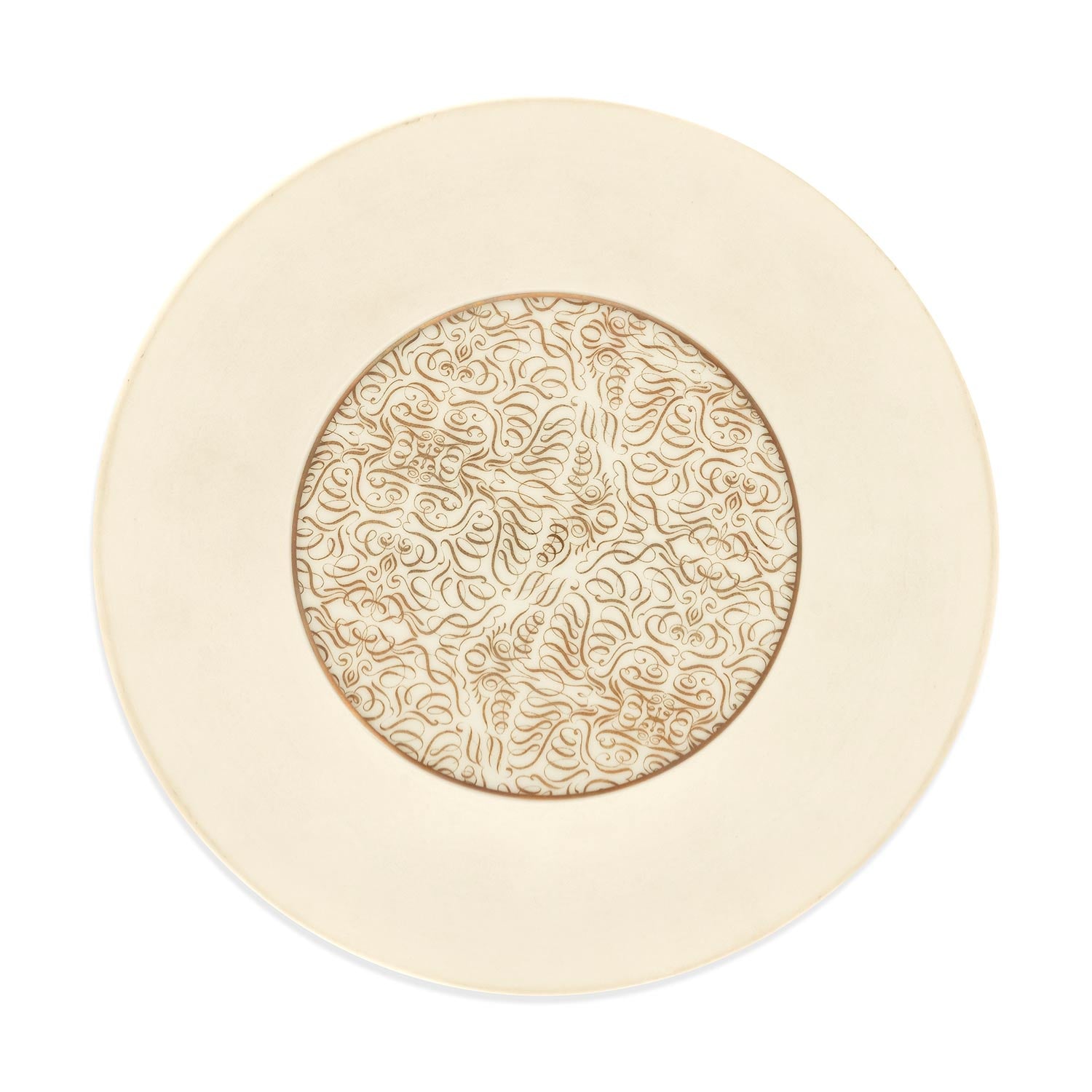
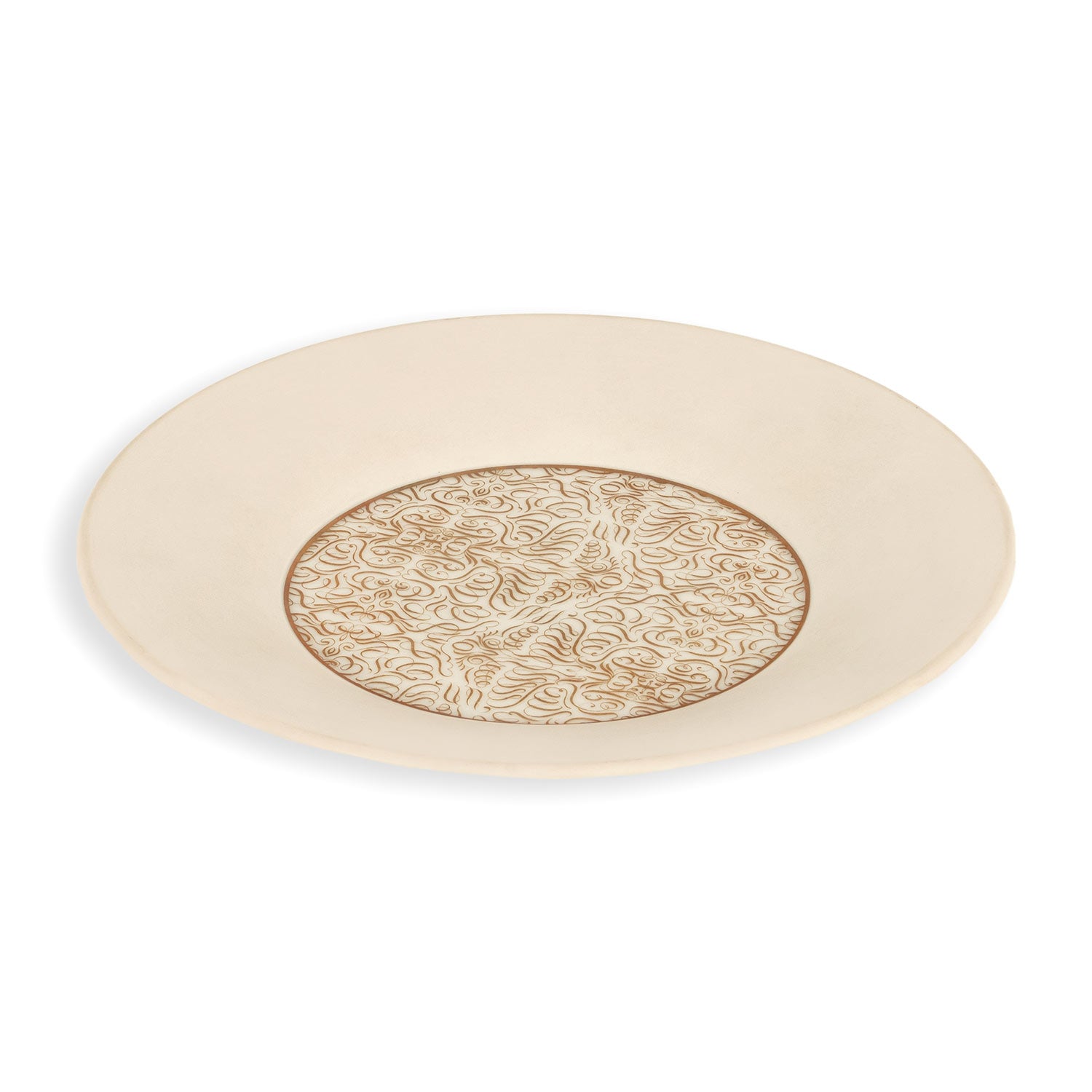
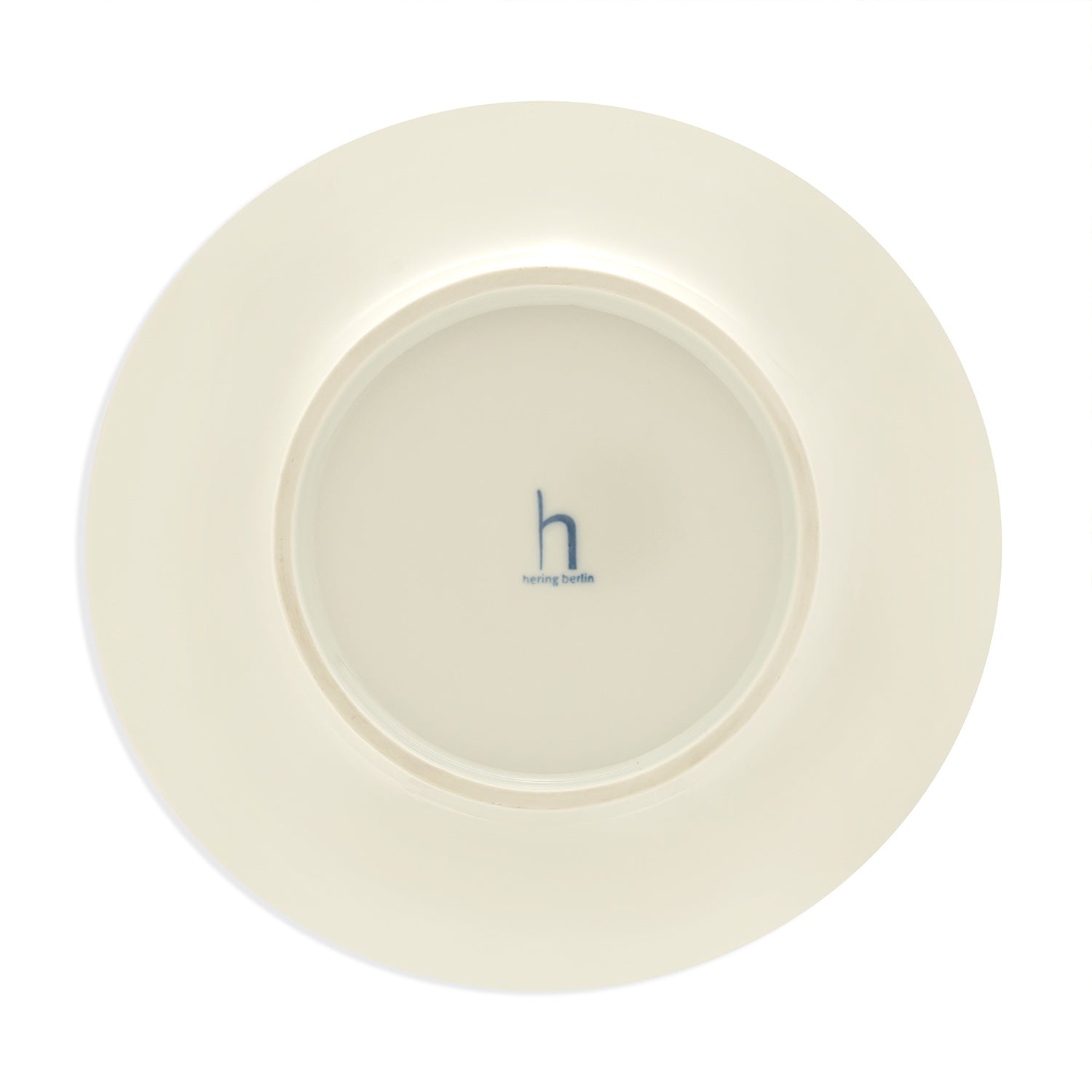
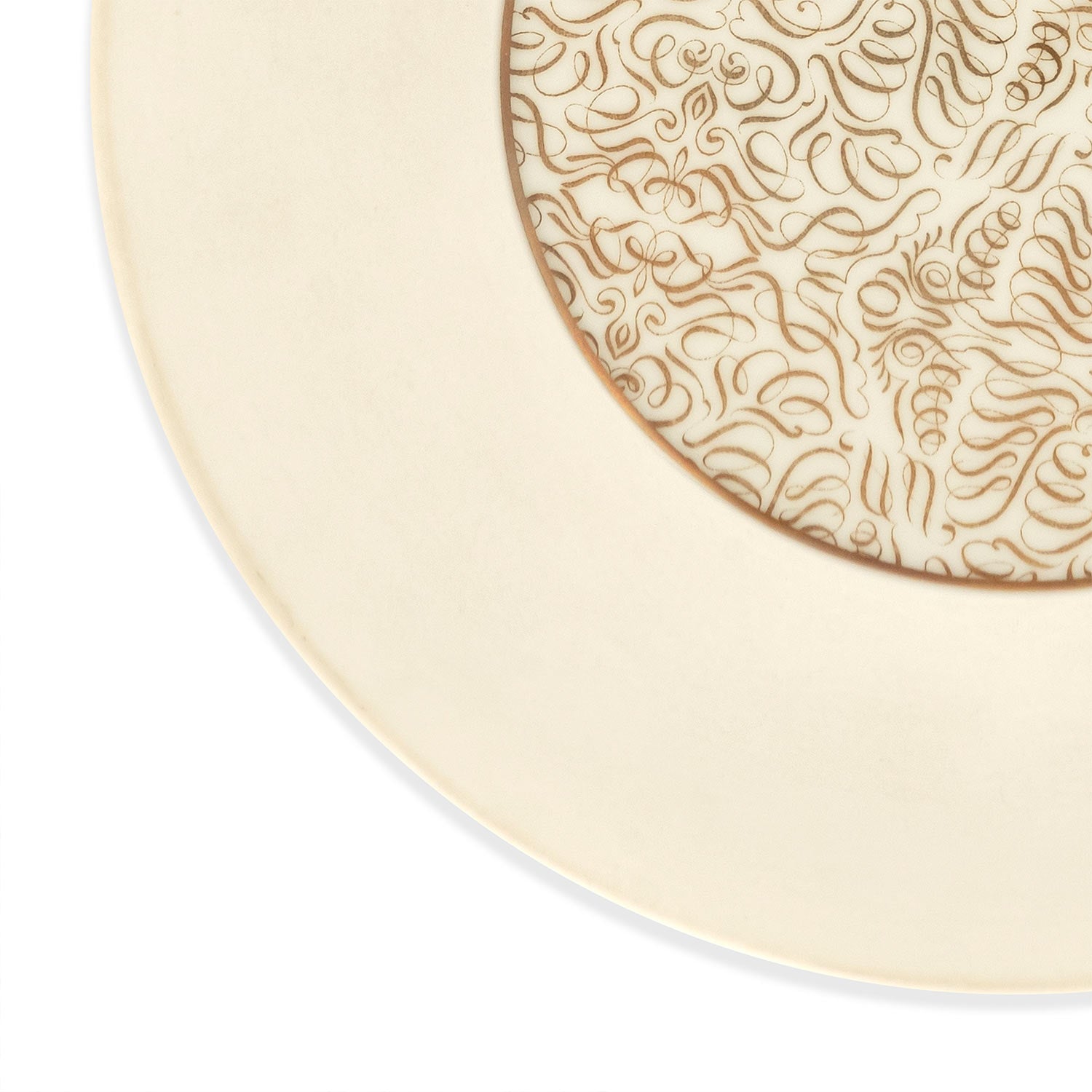
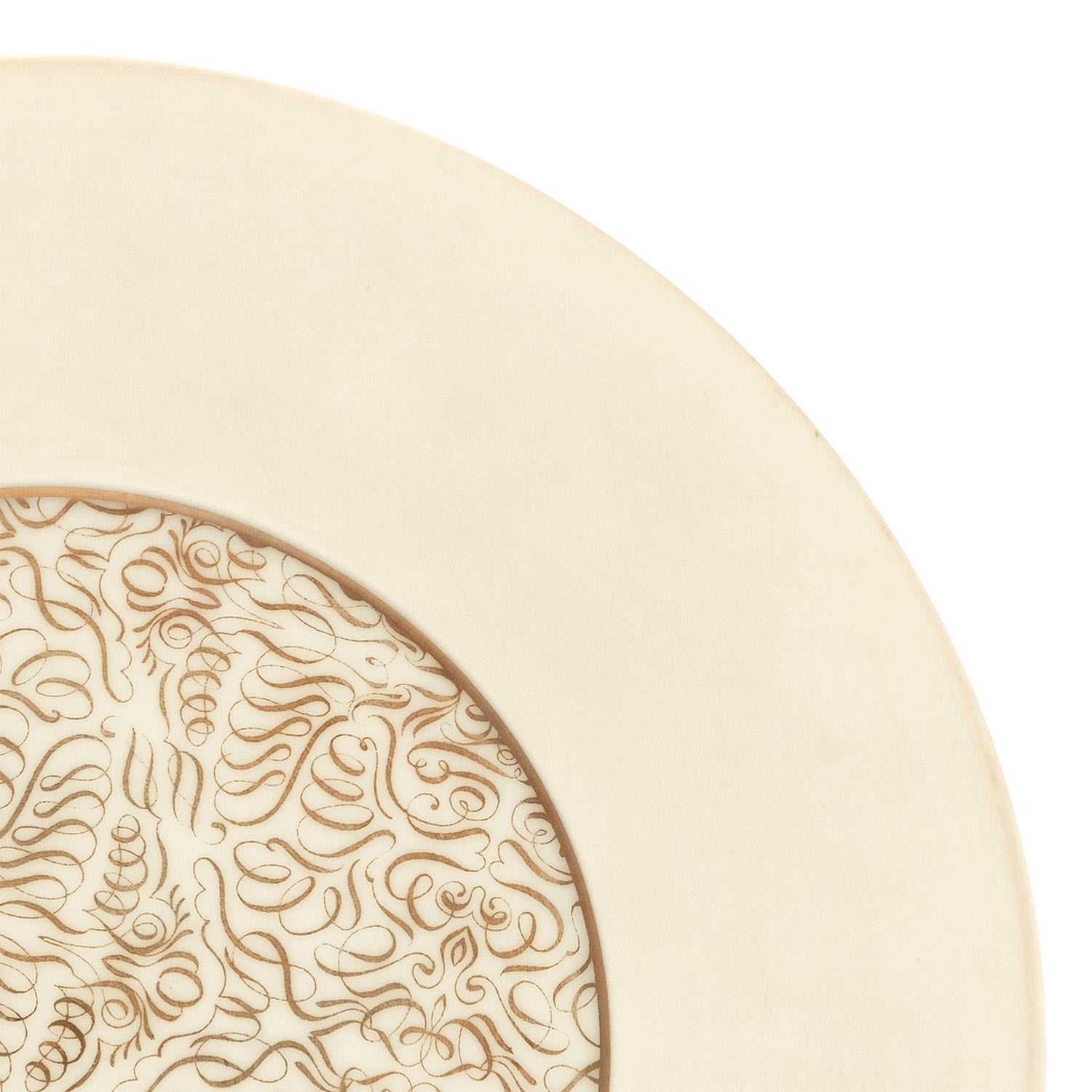
Alif Gold Side Plate
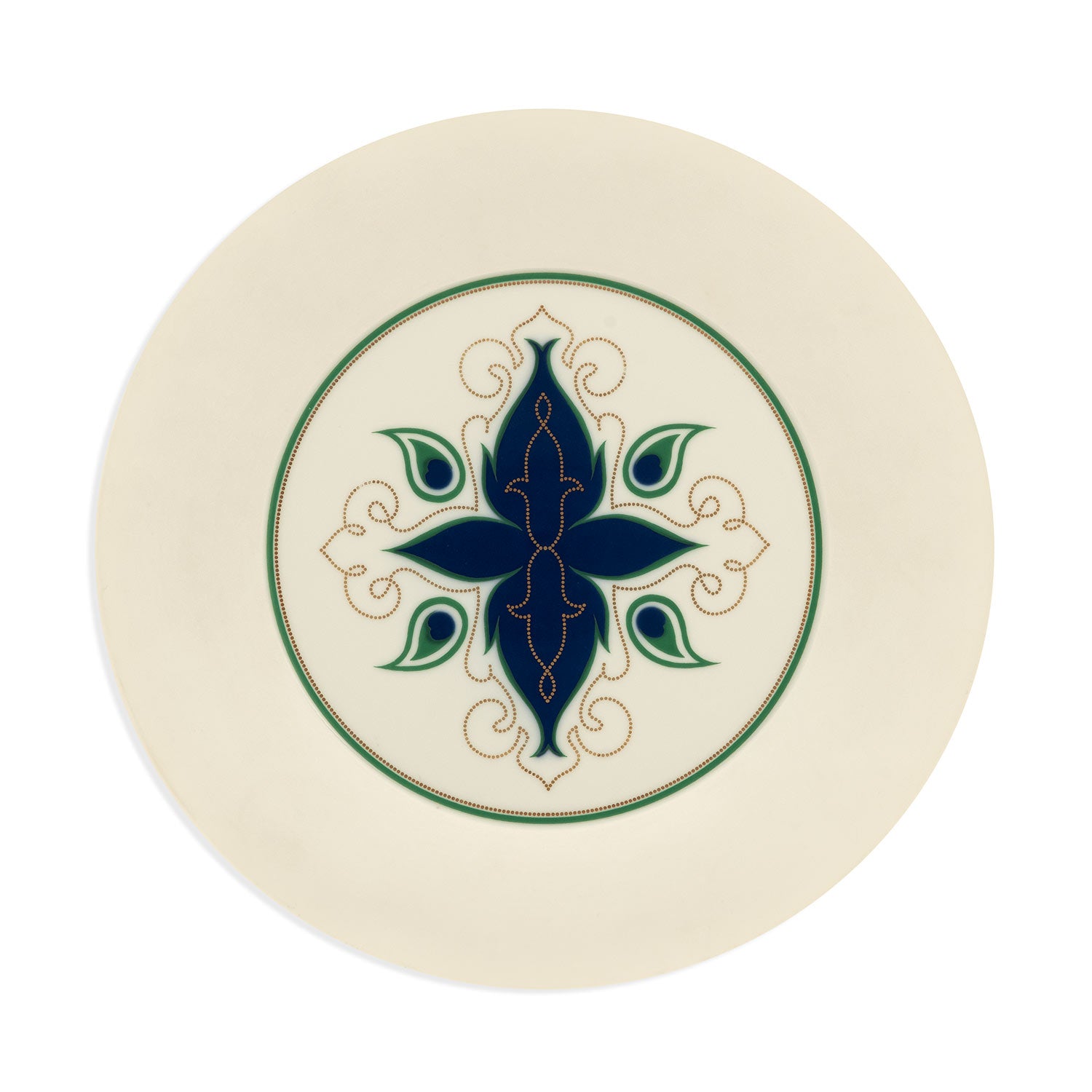
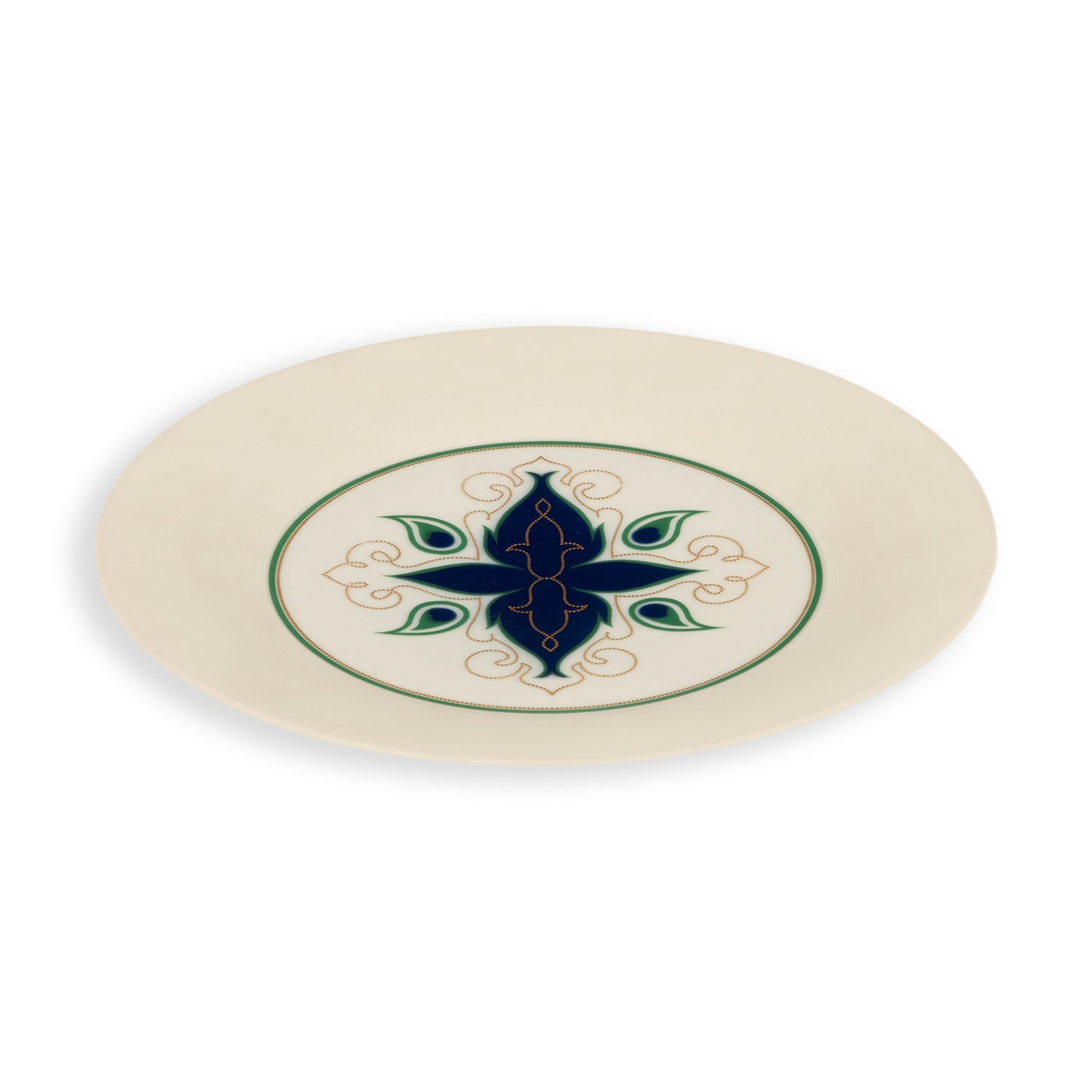
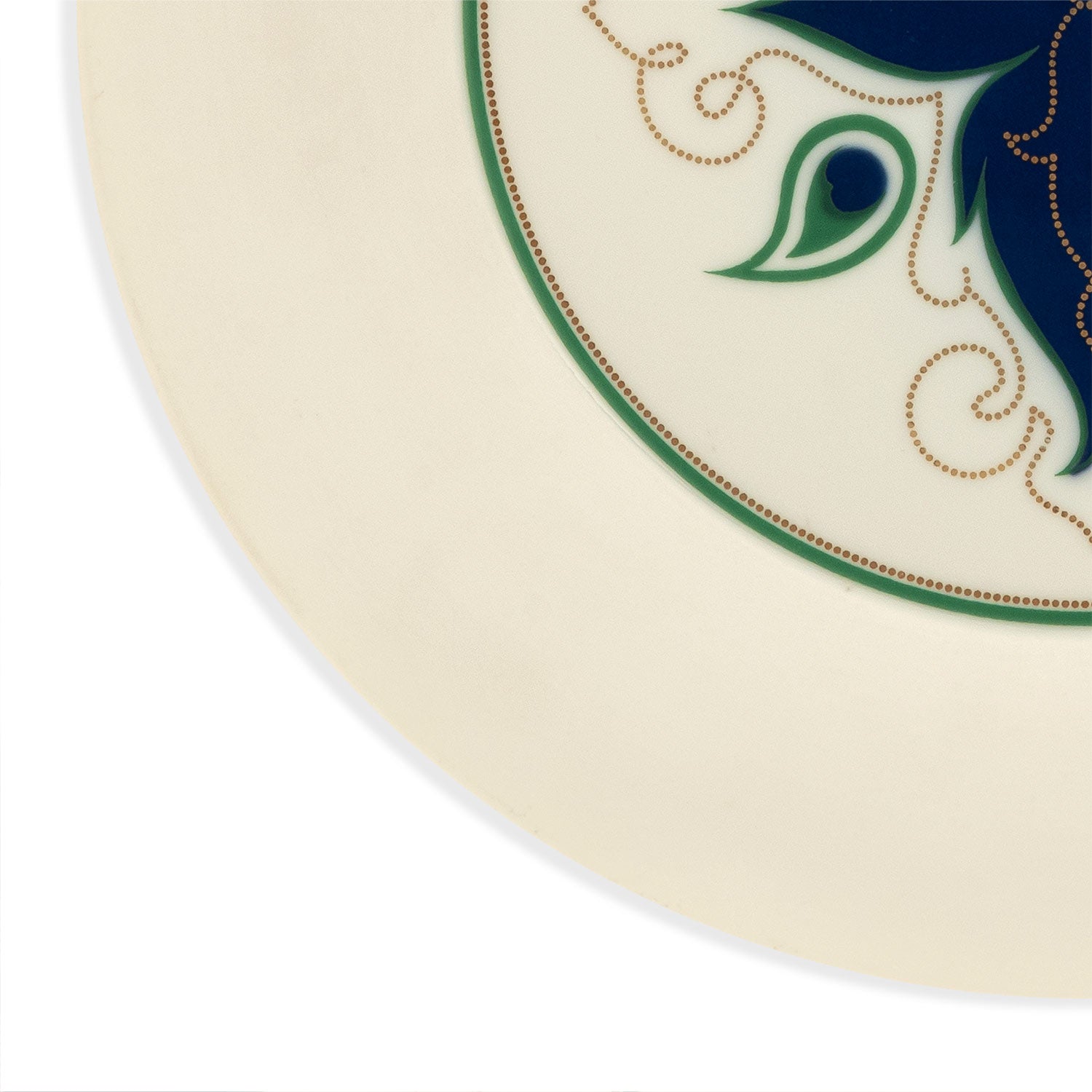
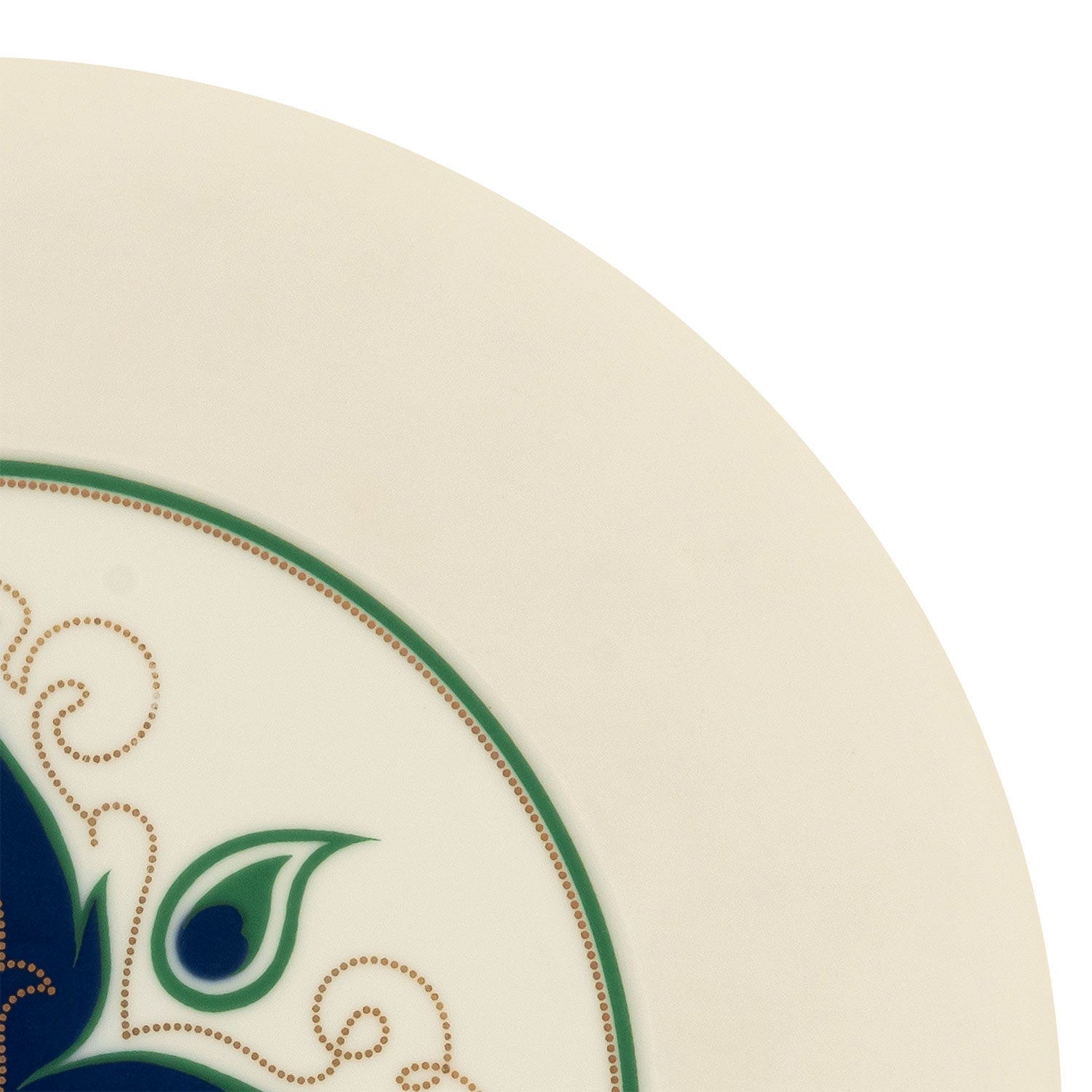
Alif Blue Gold Side Plate
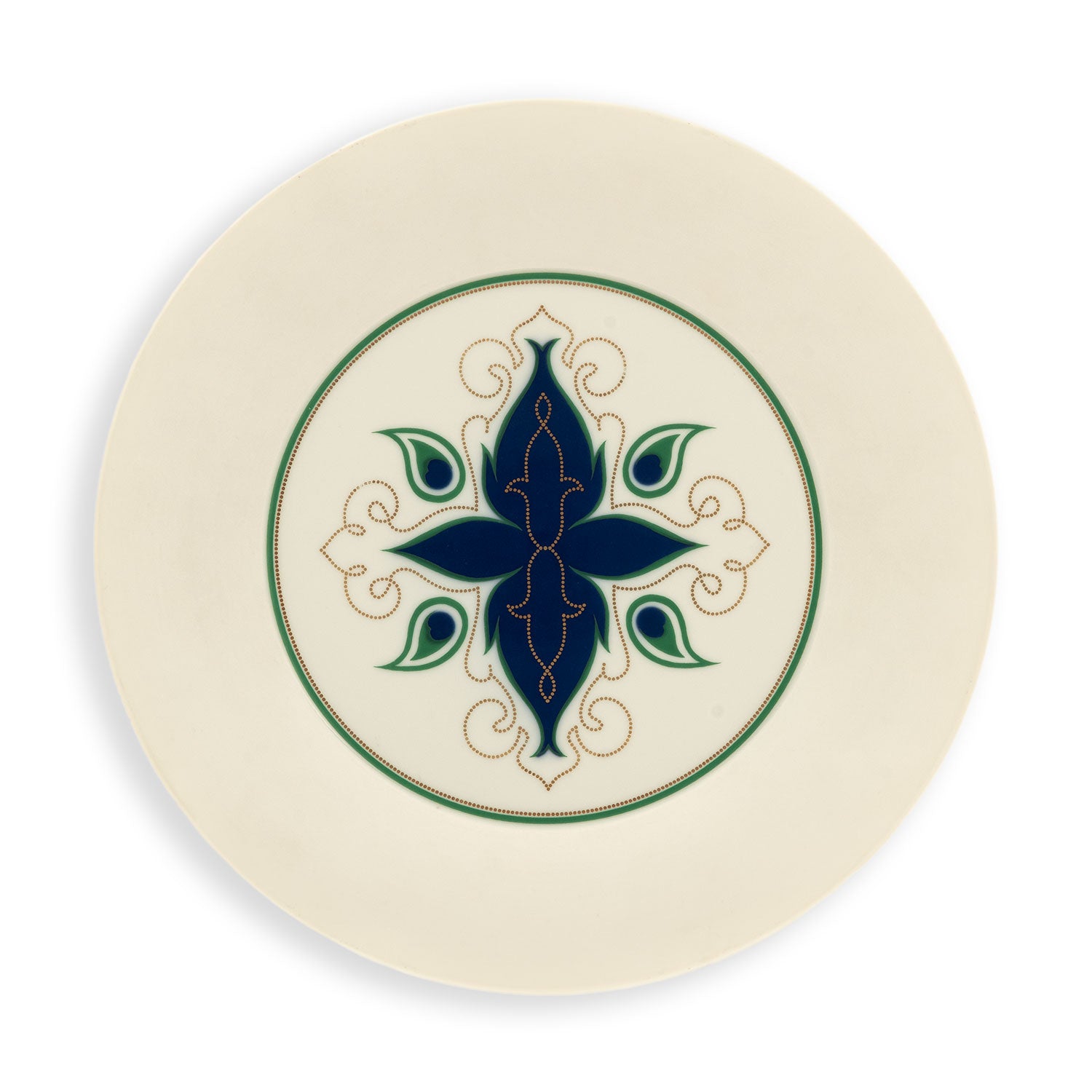
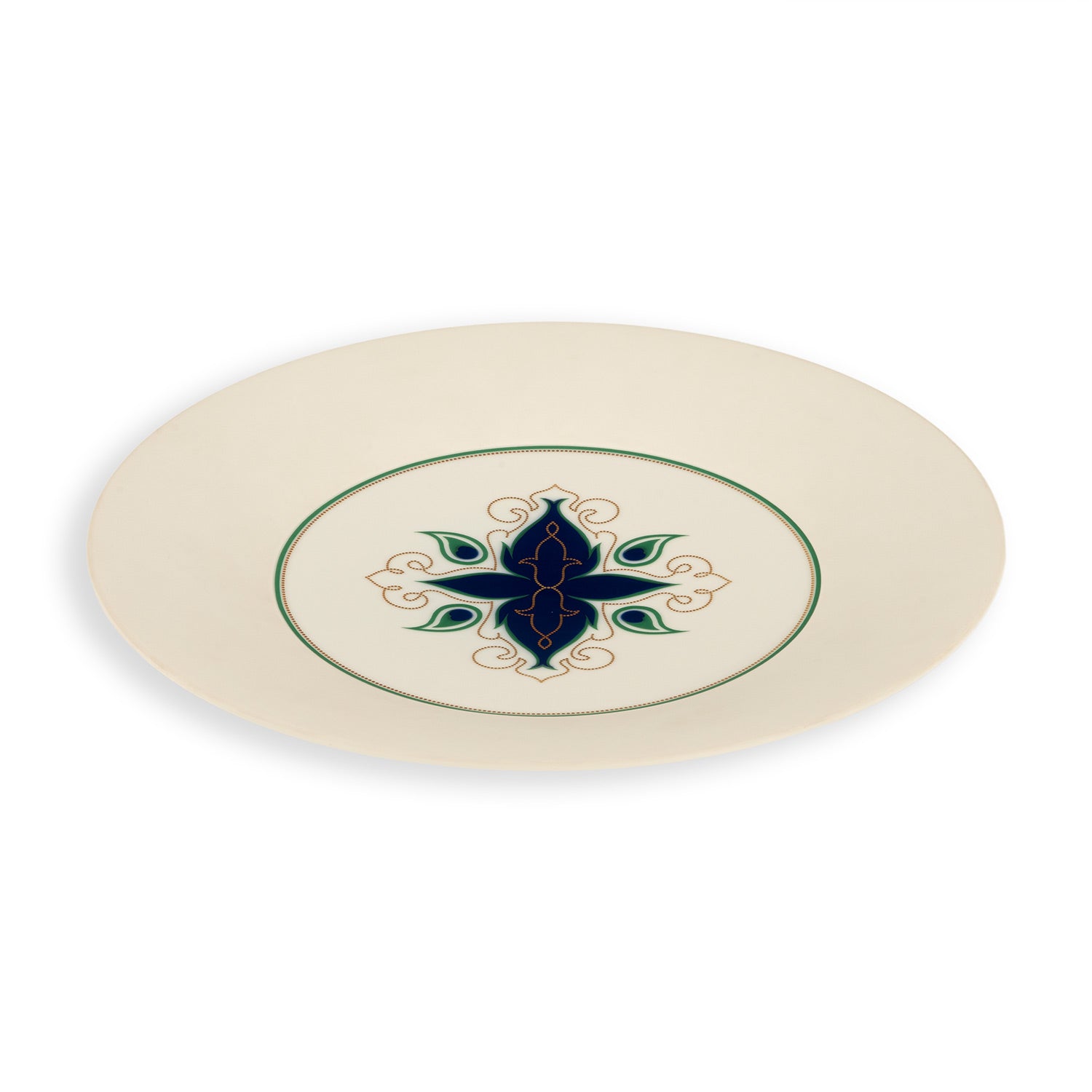
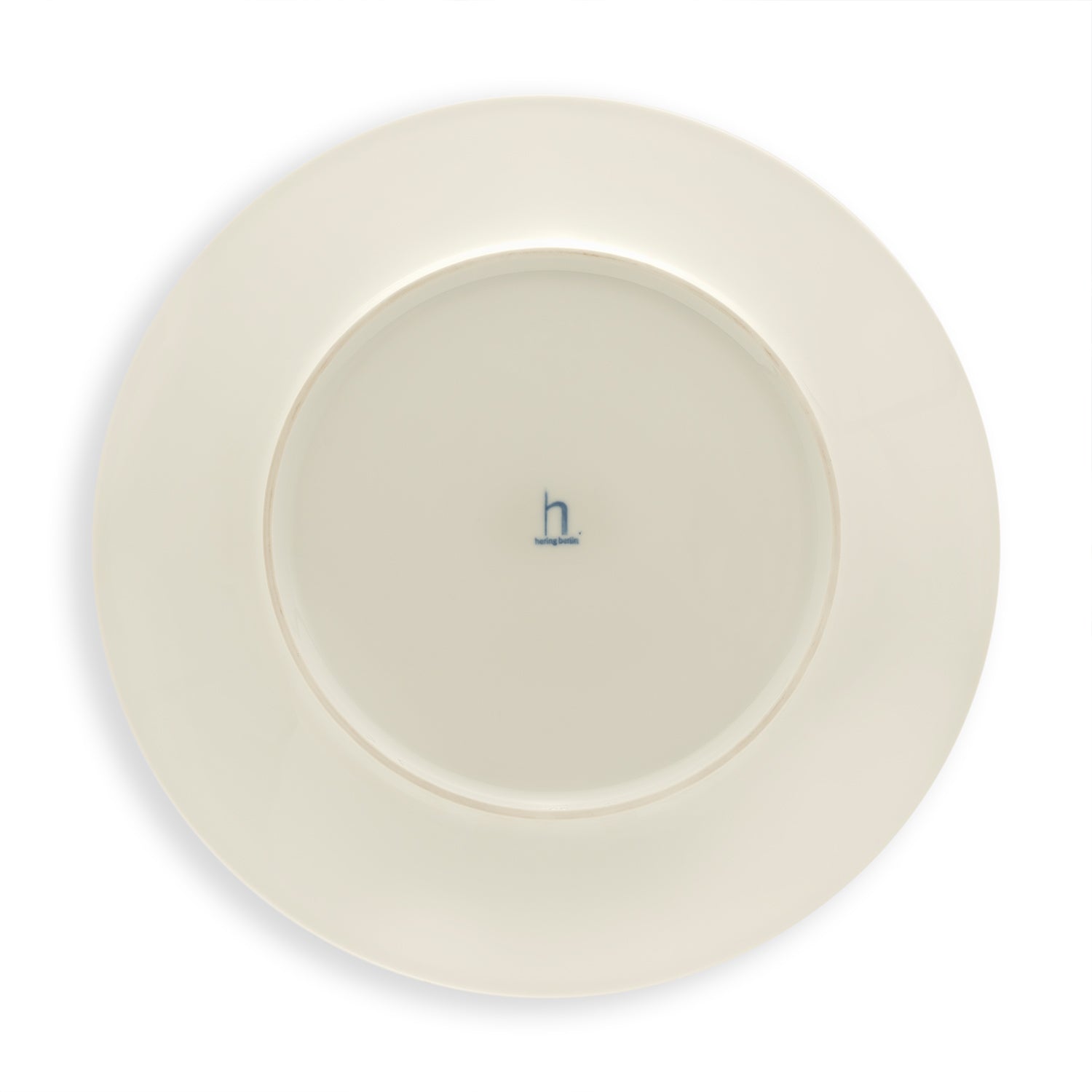
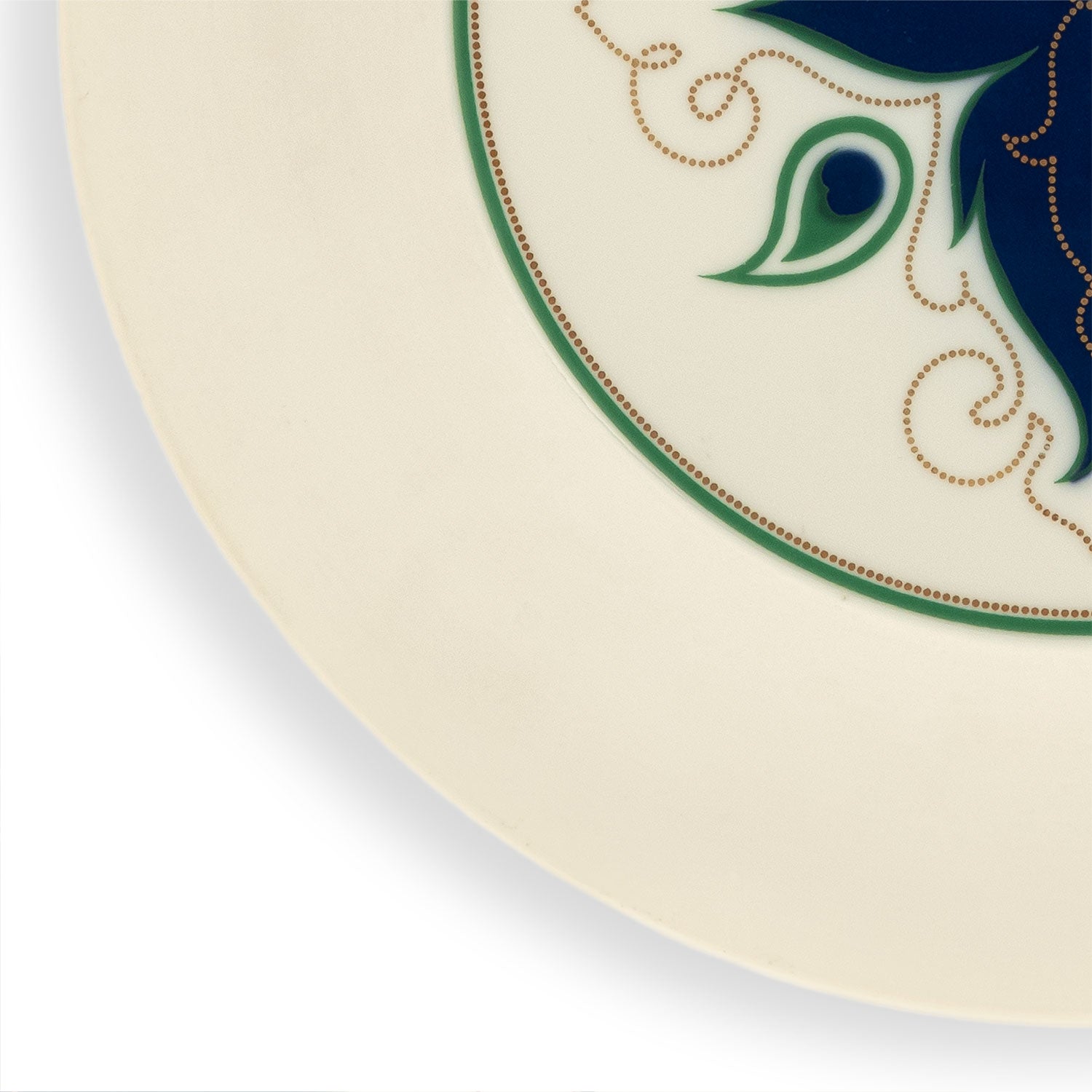
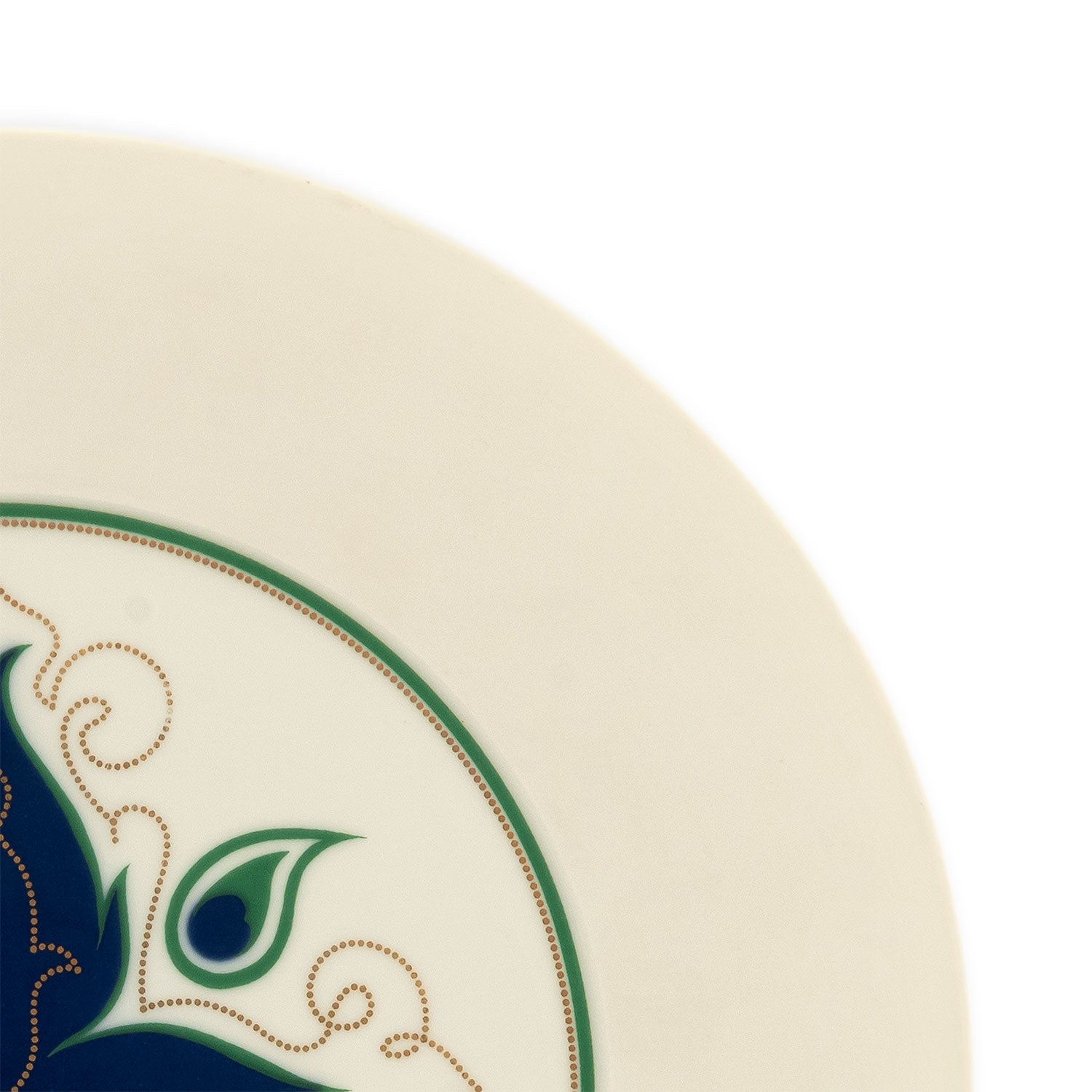
Alif Blue-Gold Dinner Plate
Hering Berlin | Contemporary Fine Porcelain Tableware | Thomas Goode India
About Hering Berlin
Hering Berlin is one of the most internationally respected contemporary fine porcelain studios in the world, founded in Berlin in 1992 by master ceramicist Stefanie Hering. The studio emerged in the specific creative climate of post-reunification Berlin — the city's sudden freedom from division producing an environment of unusual artistic energy and ambition. Stefanie Hering channelled this energy into a deliberate project: to push fine porcelain to the limits of its technical possibility while maintaining the craft standards and material quality of the centuries-old German porcelain tradition.
In just over thirty years, Hering Berlin has achieved a reputation that most luxury tableware houses with centuries of history have not matched in terms of design recognition. The studio's pieces have won the Red Dot Design Award, the ICFF Editors Award for Craftsmanship, and awards at the Ceramic Biennale. More practically, Hering Berlin porcelain is used in some of the world's most discerning professional kitchens and dining rooms: by Michelin-starred chefs including Massimo Bottura, Heston Blumenthal, and Jean-Georges Klein; in five-star hotels including the Waldorf Astoria, One&Only Resort, and Das Stue; and by ambassadors, diplomats, and collectors across every continent.
The three Hering Berlin collections at Thomas Goode India — Aura, Bloomy Blue Grape Wine, and Hist Nature — are available at The Oberoi Hotel, New Delhi and online, introducing one of Germany's most significant contemporary design studios to the Indian luxury tableware market.
The Hering Berlin Craft Process
The Bisque Porcelain Technique
The defining material and craft achievement of Hering Berlin is its bisque porcelain finish — a technique that Stefanie Hering has refined and pushed further than any other contemporary ceramicist working in fine porcelain.
Bisque porcelain is porcelain that has been fired but not glazed: the body is dense and hard from the high-temperature kiln, but its surface is unglazed, retaining the matte, slightly porous character of the fired clay rather than the glossy, reflective quality of a glazed surface. In the European fine porcelain tradition, bisque is most often associated with figurines and decorative objects — the unglazed matte finish reads as sculptural and tactile, suited to representing human skin or fabric in three-dimensional forms.
Hering Berlin applies the bisque technique to the rims and architectural surfaces of its functional tableware — the wide rims of its dinner plates, the outer walls of its bowls and cups — while retaining a glazed, luminous surface on the central interior where food is placed and colour is seen. This combination of bisque and glaze within a single piece is technically demanding: the differential shrinkage rates of bisque and glazed sections during firing must be precisely controlled to prevent warping or cracking, and the visual meeting of the two surfaces must be resolved in a way that reads as a deliberate design decision rather than a technical accident.
The bisque surface is then hand-polished with diamond sponges — a step that removes any surface roughness and produces the characteristic velvety, peach-skin texture that is the most immediately distinctive tactile quality of a Hering Berlin piece. This texture, which invites the hand to touch in a way that glazed porcelain does not, is part of the design intention: Stefanie Hering's pieces are conceived as objects that engage multiple senses simultaneously.
The practical result of this bisque-on-glaze approach is a dinner plate whose rim absorbs light rather than reflecting it — creating a frame of soft, sculptural matte that focuses attention on the glazed centre, and on the food placed there. For professional chefs, this framing quality is precisely why Hering Berlin plates have become the preferred canvas for the highest level of contemporary plating. For home dining, it produces a table whose aesthetic character is quietly unlike anything else available.
Durability and Practicality
Despite the visual and tactile delicacy of the bisque finish, Hering Berlin porcelain is produced to commercial durability standards: it is dishwasher-safe and microwave-safe, and the bisque surface is resistant to acids and bases. This combination of perceptual refinement and practical resilience makes Hering Berlin genuinely unusual in the luxury tableware space — a studio-quality object that performs like professional equipment.
Hering Berlin Collections at Thomas Goode India
Aura
The Aura dinner plate at 27 cm is the most formally minimal piece in the Hering Berlin range at Thomas Goode India — the bisque rim at its most architecturally pure, the glazed centre at its most luminous and uninterrupted. Aura occupies the contemporary-luxury table setting where surface decoration would be a distraction from the form and material quality of the piece itself. It is the correct choice for the buyer whose table aesthetic is defined by precision and restraint, and whose instinct is toward the design traditions of German and Scandinavian minimalism rather than the pattern-rich traditions of English or Central European luxury tableware.
At Thomas Goode India, Aura sits as the counterpoint to the Florette Ruby & Gold and Herend Apponyi pieces at the opposite end of the decorative spectrum — both are luxury dinner plates of the highest material standard, and both are the correct choice for a different set of buyers with a different table vision.
Bloomy Blue Grape Wine
The Bloomy Blue Grape Wine dinner plate introduces botanical illustration to the Hering Berlin design vocabulary — a grape vine motif in a restrained blue colourway applied to the glazed centre of the bisque-rim plate. The Bloomy pattern family is one of Hering Berlin's painterly series: designs that apply a specific motif vocabulary to the glazed surfaces of the Velvet-form plates in a way that preserves the bisque rim's architectural role while introducing colour and naturalistic imagery to the centre. The Bloomy Blue Grape Wine's grape vine reference has its own design lineage — the vine as a table motif appears across centuries of European decorative arts from antiquity onward — here rendered in the cool, controlled blue that characterises the most restrained strand of the Hering Berlin palette.
Hist Nature
Hist Nature is a pattern that brings a printed naturalistic illustration to the Hering Berlin form — a design that references the European tradition of natural history plate illustration, where flora and fauna were depicted with scientific precision on the surfaces of luxury porcelain. The Hist Nature dinner plate applies this tradition to the contemporary bisque-and-glaze form, producing a piece that is simultaneously part of the centuries-old luxury porcelain decorative tradition and distinctly contemporary in its material and compositional approach.
Hering Berlin in the Context of Thomas Goode India
Hering Berlin occupies a unique position at Thomas Goode India. Every other fine porcelain maker in the collection — Herend (1826), Meissen (1710), Haviland (1842), Hermès (1837 extended to tableware), Thomas Goode (1827) — draws its identity from a heritage measured in centuries. Hering Berlin was founded in 1992. Its authority derives not from historical depth but from demonstrable design and craft achievement in the present: from the chefs who plate their most demanding courses on Hering Berlin porcelain, from the architects and designers who specify it for the world's most considered interiors, and from the design institutions that have recognised its contribution to contemporary decorative art.
This distinction makes Hering Berlin the collection's answer to the buyer who is not looking for heritage but for quality — who wants the finest contemporary German porcelain design rather than a piece that derives its standing from who owned it in the 19th century. Both are legitimate luxury positions, and the Thomas Goode India collection contains both.
The Hering Berlin pieces sit naturally alongside the 1882 Ltd Lustre China and the Thomas Goode Velocity series in the collection's contemporary design strand, and connect to the Dinnerware and Plates collections for the full plate range context.
Gifting Guide
Hering Berlin at Thomas Goode India is the collection's most appropriate luxury gift for recipients who operate in, or are themselves part of, the world of contemporary design — architects, interior designers, chefs, gallerists, and design collectors for whom a Red Dot Award-winning studio's work carries a specific cultural weight. For these recipients, a Hering Berlin Aura dinner plate communicates a knowledge of and engagement with contemporary fine craft that a heritage tableware gift does not.
For the buyer assembling a mixed contemporary table service, the Hering Berlin Aura plate alongside the 1882 Ltd Lustre espresso cup and the Thomas Goode Velocity serving pieces creates a complete contemporary service in the most design-considered direction available at Thomas Goode India.
To Shop Hering Berlin Contemporary Fine Porcelain Online in India, the collection is available at thomasgoode.in/collections/hering-berlin, with personalised assistance from the Thomas Goode India team.
Frequently Asked Questions
What is Hering Berlin and who founded it?
Hering Berlin is a contemporary fine porcelain studio founded in Berlin in 1992 by master ceramicist Stefanie Hering. The studio emerged in the creative environment of post-reunification Berlin with the aim of pushing fine porcelain to the limits of its technical possibility. Hering Berlin has won the Red Dot Design Award and the ICFF Editors Award for Craftsmanship, and its porcelain is used by Michelin-starred chefs including Massimo Bottura, Heston Blumenthal, and Jean-Georges Klein, and in five-star hotels worldwide. At Thomas Goode India, the Hering Berlin collection is available at The Oberoi Hotel, New Delhi and online.
What is bisque porcelain and what makes the Hering Berlin finish unique?
Bisque porcelain is fired but unglazed porcelain — dense and hard from the kiln, with a matte, slightly porous surface rather than a glossy glaze. Hering Berlin applies the bisque technique to the wide rims of its dinner plates and outer surfaces of its bowls and cups, while retaining a glazed luminous centre where food is placed. The bisque surface is then hand-polished with diamond sponges to produce a velvety, peach-skin texture that invites touch. This combination of bisque rim and glazed centre within a single piece is technically demanding and produces a plate whose matte rim frames the food-bearing glazed centre with sculptural precision.
Is Hering Berlin porcelain dishwasher and microwave safe?
Yes. Despite the visual and tactile refinement of the bisque finish, Hering Berlin porcelain is produced to commercial durability standards and is both dishwasher-safe and microwave-safe. The bisque surface is also resistant to acids and bases. This practical resilience alongside perceptual refinement is part of the studio's founding brief: Stefanie Hering set out to create fine porcelain that performs as professional equipment while reading as studio-quality art.
What Hering Berlin collections are available at Thomas Goode India?
Thomas Goode India carries three Hering Berlin pieces: the Aura Dinner Plate at 27 cm (the most architecturally minimal in the range, bisque rim with luminous glazed centre), the Bloomy Blue Grape Wine Dinner Plate (botanical grape vine motif in blue on the glazed centre), and the Hist Nature Dinner Plate (naturalistic illustration pattern in the natural history tradition). All are available in the Dinnerware collection.
How does Hering Berlin differ from heritage luxury tableware brands at Thomas Goode India?
Hering Berlin was founded in 1992 — unlike Herend (1826), Meissen (1710), Haviland (1842), and Thomas Goode (1827), which derive authority from centuries of production heritage. Hering Berlin's authority comes from demonstrated design and craft achievement: award recognition, adoption by the world's most demanding professional dining environments, and the technical innovation of its bisque porcelain technique. It is the collection's answer for buyers who want the finest contemporary German porcelain design rather than heritage provenance.
What awards has Hering Berlin received?
Hering Berlin has received the Red Dot Design Award, the ICFF Editors Award for Craftsmanship, and awards at the Ceramic Biennale, among other recognitions. These awards reflect the studio's standing in the international design community as an innovator in both the technical and aesthetic dimensions of fine porcelain production.
Hering Berlin | Contemporary Fine Porcelain Tableware | Thomas Goode India
About Hering Berlin
Hering Berlin is one of the most internationally respected contemporary fine porcelain studios in the world, founded in Berlin in 1992 by master ceramicist Stefanie Hering. The studio emerged in the specific creative climate of post-reunification Berlin — the city's sudden freedom from division producing an environment of unusual artistic energy and ambition. Stefanie Hering channelled this energy into a deliberate project: to push fine porcelain to the limits of its technical possibility while maintaining the craft standards and material quality of the centuries-old German porcelain tradition.
In just over thirty years, Hering Berlin has achieved a reputation that most luxury tableware houses with centuries of history have not matched in terms of design recognition. The studio's pieces have won the Red Dot Design Award, the ICFF Editors Award for Craftsmanship, and awards at the Ceramic Biennale. More practically, Hering Berlin porcelain is used in some of the world's most discerning professional kitchens and dining rooms: by Michelin-starred chefs including Massimo Bottura, Heston Blumenthal, and Jean-Georges Klein; in five-star hotels including the Waldorf Astoria, One&Only Resort, and Das Stue; and by ambassadors, diplomats, and collectors across every continent.
The three Hering Berlin collections at Thomas Goode India — Aura, Bloomy Blue Grape Wine, and Hist Nature — are available at The Oberoi Hotel, New Delhi and online, introducing one of Germany's most significant contemporary design studios to the Indian luxury tableware market.
The Hering Berlin Craft Process
The Bisque Porcelain Technique
The defining material and craft achievement of Hering Berlin is its bisque porcelain finish — a technique that Stefanie Hering has refined and pushed further than any other contemporary ceramicist working in fine porcelain.
Bisque porcelain is porcelain that has been fired but not glazed: the body is dense and hard from the high-temperature kiln, but its surface is unglazed, retaining the matte, slightly porous character of the fired clay rather than the glossy, reflective quality of a glazed surface. In the European fine porcelain tradition, bisque is most often associated with figurines and decorative objects — the unglazed matte finish reads as sculptural and tactile, suited to representing human skin or fabric in three-dimensional forms.
Hering Berlin applies the bisque technique to the rims and architectural surfaces of its functional tableware — the wide rims of its dinner plates, the outer walls of its bowls and cups — while retaining a glazed, luminous surface on the central interior where food is placed and colour is seen. This combination of bisque and glaze within a single piece is technically demanding: the differential shrinkage rates of bisque and glazed sections during firing must be precisely controlled to prevent warping or cracking, and the visual meeting of the two surfaces must be resolved in a way that reads as a deliberate design decision rather than a technical accident.
The bisque surface is then hand-polished with diamond sponges — a step that removes any surface roughness and produces the characteristic velvety, peach-skin texture that is the most immediately distinctive tactile quality of a Hering Berlin piece. This texture, which invites the hand to touch in a way that glazed porcelain does not, is part of the design intention: Stefanie Hering's pieces are conceived as objects that engage multiple senses simultaneously.
The practical result of this bisque-on-glaze approach is a dinner plate whose rim absorbs light rather than reflecting it — creating a frame of soft, sculptural matte that focuses attention on the glazed centre, and on the food placed there. For professional chefs, this framing quality is precisely why Hering Berlin plates have become the preferred canvas for the highest level of contemporary plating. For home dining, it produces a table whose aesthetic character is quietly unlike anything else available.
Durability and Practicality
Despite the visual and tactile delicacy of the bisque finish, Hering Berlin porcelain is produced to commercial durability standards: it is dishwasher-safe and microwave-safe, and the bisque surface is resistant to acids and bases. This combination of perceptual refinement and practical resilience makes Hering Berlin genuinely unusual in the luxury tableware space — a studio-quality object that performs like professional equipment.
Hering Berlin Collections at Thomas Goode India
Aura
The Aura dinner plate at 27 cm is the most formally minimal piece in the Hering Berlin range at Thomas Goode India — the bisque rim at its most architecturally pure, the glazed centre at its most luminous and uninterrupted. Aura occupies the contemporary-luxury table setting where surface decoration would be a distraction from the form and material quality of the piece itself. It is the correct choice for the buyer whose table aesthetic is defined by precision and restraint, and whose instinct is toward the design traditions of German and Scandinavian minimalism rather than the pattern-rich traditions of English or Central European luxury tableware.
At Thomas Goode India, Aura sits as the counterpoint to the Florette Ruby & Gold and Herend Apponyi pieces at the opposite end of the decorative spectrum — both are luxury dinner plates of the highest material standard, and both are the correct choice for a different set of buyers with a different table vision.
Bloomy Blue Grape Wine
The Bloomy Blue Grape Wine dinner plate introduces botanical illustration to the Hering Berlin design vocabulary — a grape vine motif in a restrained blue colourway applied to the glazed centre of the bisque-rim plate. The Bloomy pattern family is one of Hering Berlin's painterly series: designs that apply a specific motif vocabulary to the glazed surfaces of the Velvet-form plates in a way that preserves the bisque rim's architectural role while introducing colour and naturalistic imagery to the centre. The Bloomy Blue Grape Wine's grape vine reference has its own design lineage — the vine as a table motif appears across centuries of European decorative arts from antiquity onward — here rendered in the cool, controlled blue that characterises the most restrained strand of the Hering Berlin palette.
Hist Nature
Hist Nature is a pattern that brings a printed naturalistic illustration to the Hering Berlin form — a design that references the European tradition of natural history plate illustration, where flora and fauna were depicted with scientific precision on the surfaces of luxury porcelain. The Hist Nature dinner plate applies this tradition to the contemporary bisque-and-glaze form, producing a piece that is simultaneously part of the centuries-old luxury porcelain decorative tradition and distinctly contemporary in its material and compositional approach.
Hering Berlin in the Context of Thomas Goode India
Hering Berlin occupies a unique position at Thomas Goode India. Every other fine porcelain maker in the collection — Herend (1826), Meissen (1710), Haviland (1842), Hermès (1837 extended to tableware), Thomas Goode (1827) — draws its identity from a heritage measured in centuries. Hering Berlin was founded in 1992. Its authority derives not from historical depth but from demonstrable design and craft achievement in the present: from the chefs who plate their most demanding courses on Hering Berlin porcelain, from the architects and designers who specify it for the world's most considered interiors, and from the design institutions that have recognised its contribution to contemporary decorative art.
This distinction makes Hering Berlin the collection's answer to the buyer who is not looking for heritage but for quality — who wants the finest contemporary German porcelain design rather than a piece that derives its standing from who owned it in the 19th century. Both are legitimate luxury positions, and the Thomas Goode India collection contains both.
The Hering Berlin pieces sit naturally alongside the 1882 Ltd Lustre China and the Thomas Goode Velocity series in the collection's contemporary design strand, and connect to the Dinnerware and Plates collections for the full plate range context.
Gifting Guide
Hering Berlin at Thomas Goode India is the collection's most appropriate luxury gift for recipients who operate in, or are themselves part of, the world of contemporary design — architects, interior designers, chefs, gallerists, and design collectors for whom a Red Dot Award-winning studio's work carries a specific cultural weight. For these recipients, a Hering Berlin Aura dinner plate communicates a knowledge of and engagement with contemporary fine craft that a heritage tableware gift does not.
For the buyer assembling a mixed contemporary table service, the Hering Berlin Aura plate alongside the 1882 Ltd Lustre espresso cup and the Thomas Goode Velocity serving pieces creates a complete contemporary service in the most design-considered direction available at Thomas Goode India.
To Shop Hering Berlin Contemporary Fine Porcelain Online in India, the collection is available at thomasgoode.in/collections/hering-berlin, with personalised assistance from the Thomas Goode India team.
Frequently Asked Questions
What is Hering Berlin and who founded it?
Hering Berlin is a contemporary fine porcelain studio founded in Berlin in 1992 by master ceramicist Stefanie Hering. The studio emerged in the creative environment of post-reunification Berlin with the aim of pushing fine porcelain to the limits of its technical possibility. Hering Berlin has won the Red Dot Design Award and the ICFF Editors Award for Craftsmanship, and its porcelain is used by Michelin-starred chefs including Massimo Bottura, Heston Blumenthal, and Jean-Georges Klein, and in five-star hotels worldwide. At Thomas Goode India, the Hering Berlin collection is available at The Oberoi Hotel, New Delhi and online.
What is bisque porcelain and what makes the Hering Berlin finish unique?
Bisque porcelain is fired but unglazed porcelain — dense and hard from the kiln, with a matte, slightly porous surface rather than a glossy glaze. Hering Berlin applies the bisque technique to the wide rims of its dinner plates and outer surfaces of its bowls and cups, while retaining a glazed luminous centre where food is placed. The bisque surface is then hand-polished with diamond sponges to produce a velvety, peach-skin texture that invites touch. This combination of bisque rim and glazed centre within a single piece is technically demanding and produces a plate whose matte rim frames the food-bearing glazed centre with sculptural precision.
Is Hering Berlin porcelain dishwasher and microwave safe?
Yes. Despite the visual and tactile refinement of the bisque finish, Hering Berlin porcelain is produced to commercial durability standards and is both dishwasher-safe and microwave-safe. The bisque surface is also resistant to acids and bases. This practical resilience alongside perceptual refinement is part of the studio's founding brief: Stefanie Hering set out to create fine porcelain that performs as professional equipment while reading as studio-quality art.
What Hering Berlin collections are available at Thomas Goode India?
Thomas Goode India carries three Hering Berlin pieces: the Aura Dinner Plate at 27 cm (the most architecturally minimal in the range, bisque rim with luminous glazed centre), the Bloomy Blue Grape Wine Dinner Plate (botanical grape vine motif in blue on the glazed centre), and the Hist Nature Dinner Plate (naturalistic illustration pattern in the natural history tradition). All are available in the Dinnerware collection.
How does Hering Berlin differ from heritage luxury tableware brands at Thomas Goode India?
Hering Berlin was founded in 1992 — unlike Herend (1826), Meissen (1710), Haviland (1842), and Thomas Goode (1827), which derive authority from centuries of production heritage. Hering Berlin's authority comes from demonstrated design and craft achievement: award recognition, adoption by the world's most demanding professional dining environments, and the technical innovation of its bisque porcelain technique. It is the collection's answer for buyers who want the finest contemporary German porcelain design rather than heritage provenance.
What awards has Hering Berlin received?
Hering Berlin has received the Red Dot Design Award, the ICFF Editors Award for Craftsmanship, and awards at the Ceramic Biennale, among other recognitions. These awards reflect the studio's standing in the international design community as an innovator in both the technical and aesthetic dimensions of fine porcelain production.