
Haviland
Haviland, founded by David Haviland in 1842, is a distinguished French porcelain manufacturer. Celebrated for its exceptional craftsmanship and innovative designs, Haviland creates fine porcelain pieces that reflect both tradition and modern elegance, appealing to discerning collectors and connoisseurs worldwide.
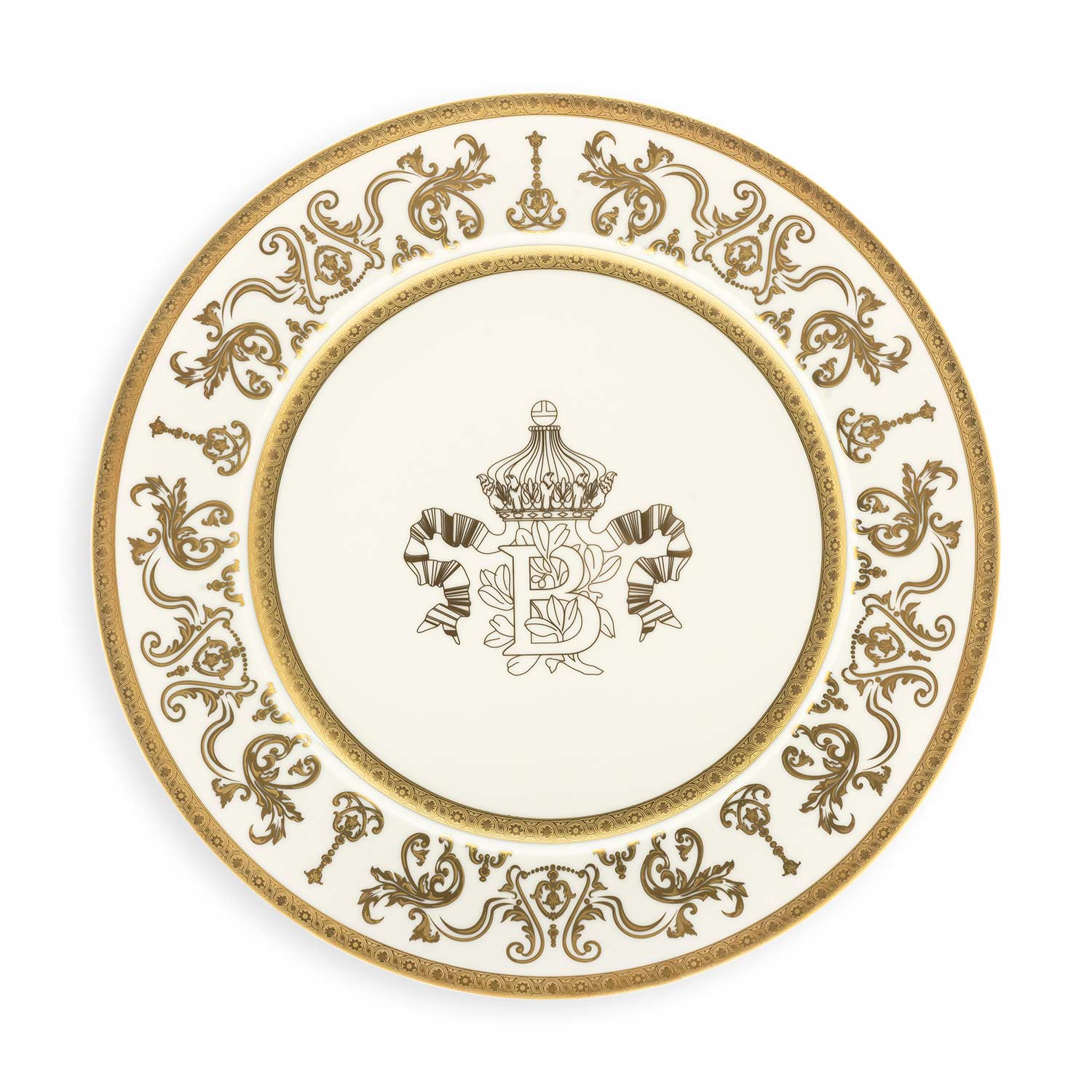
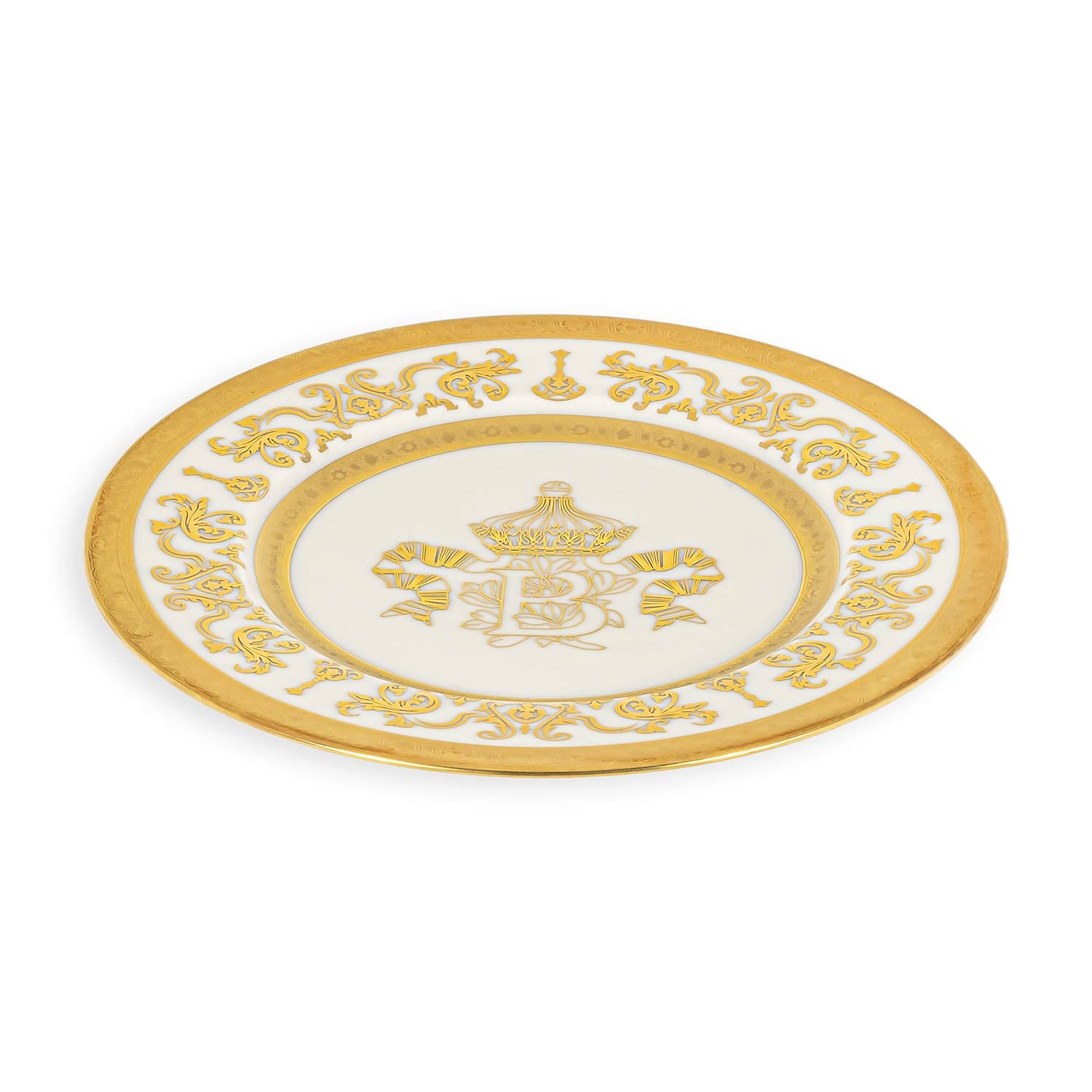
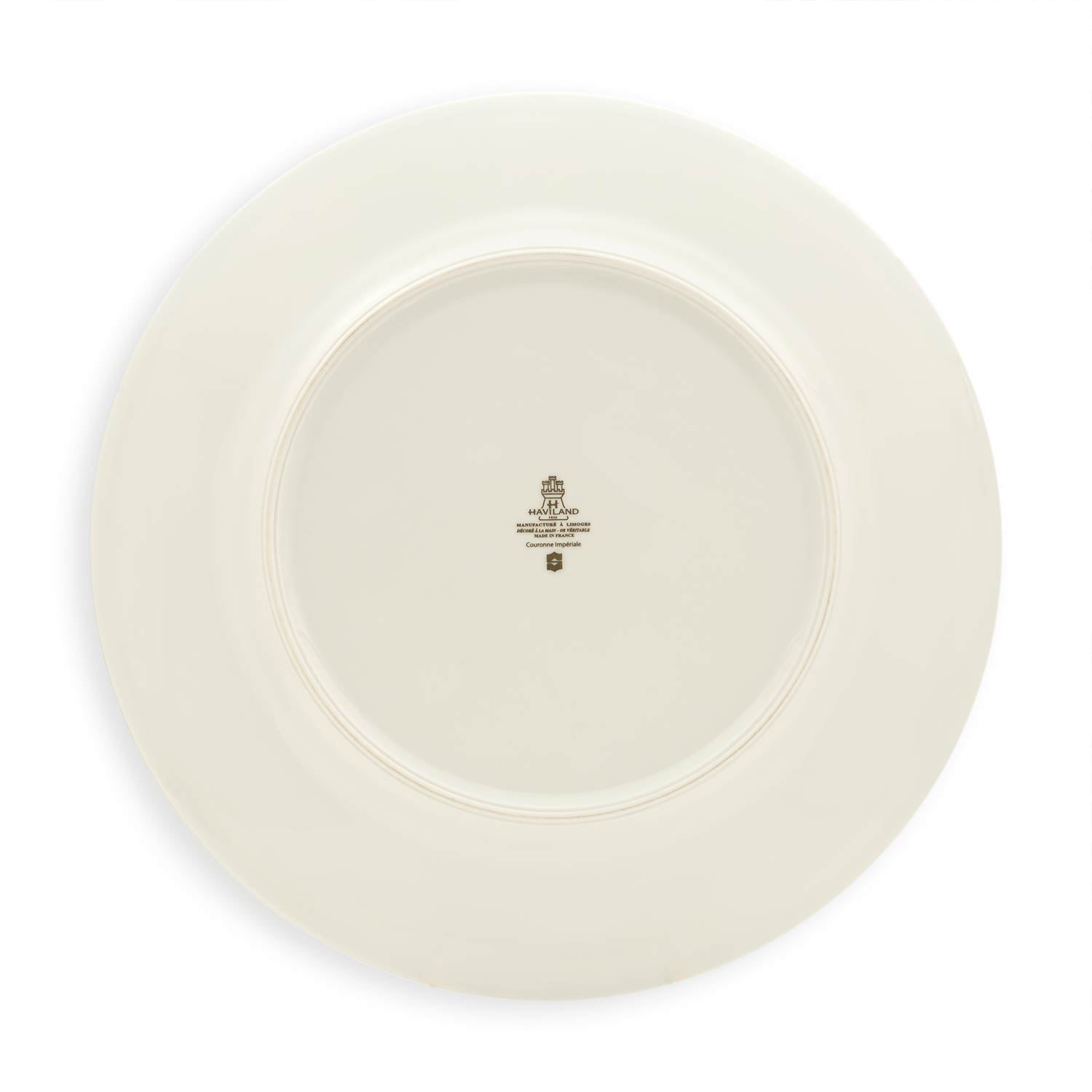
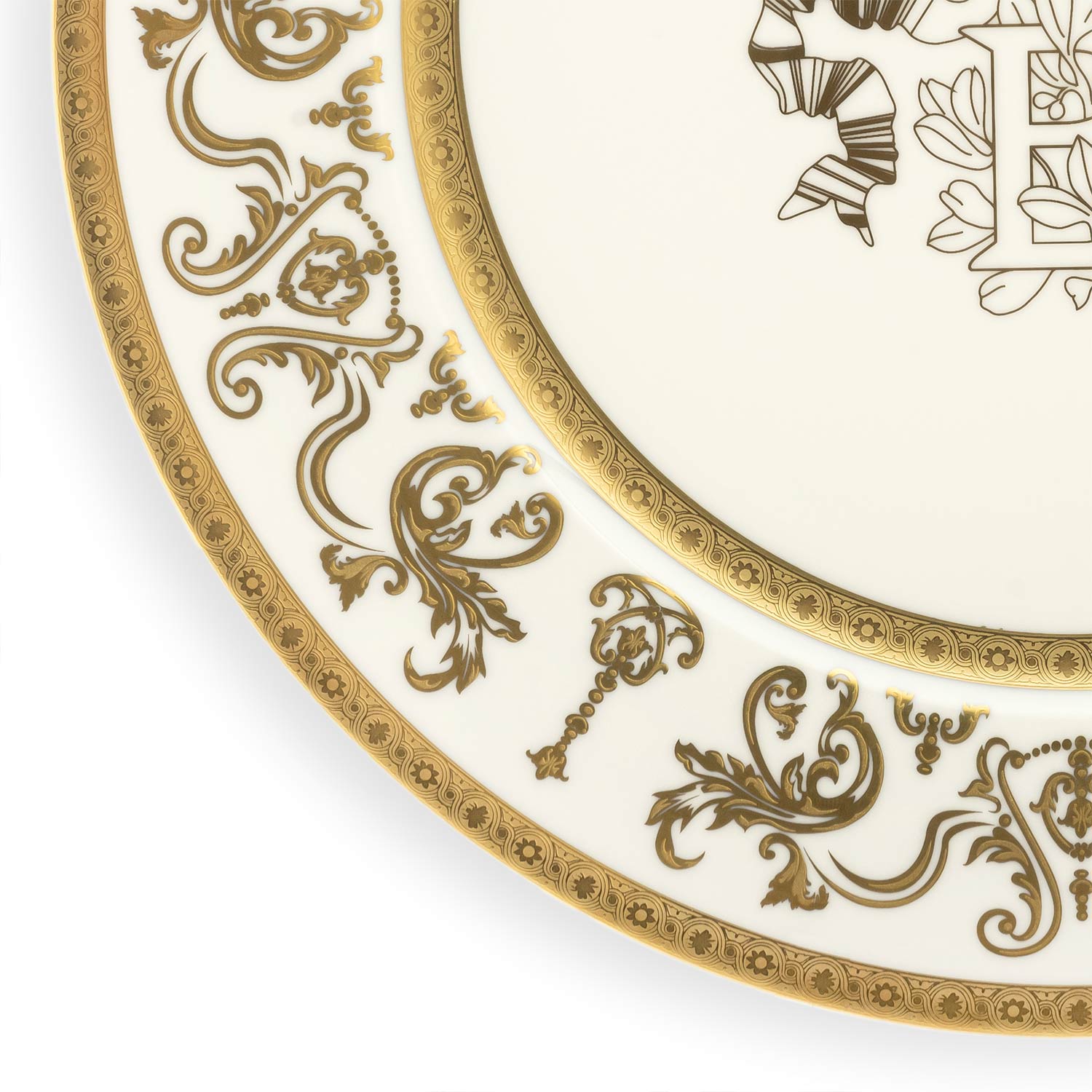
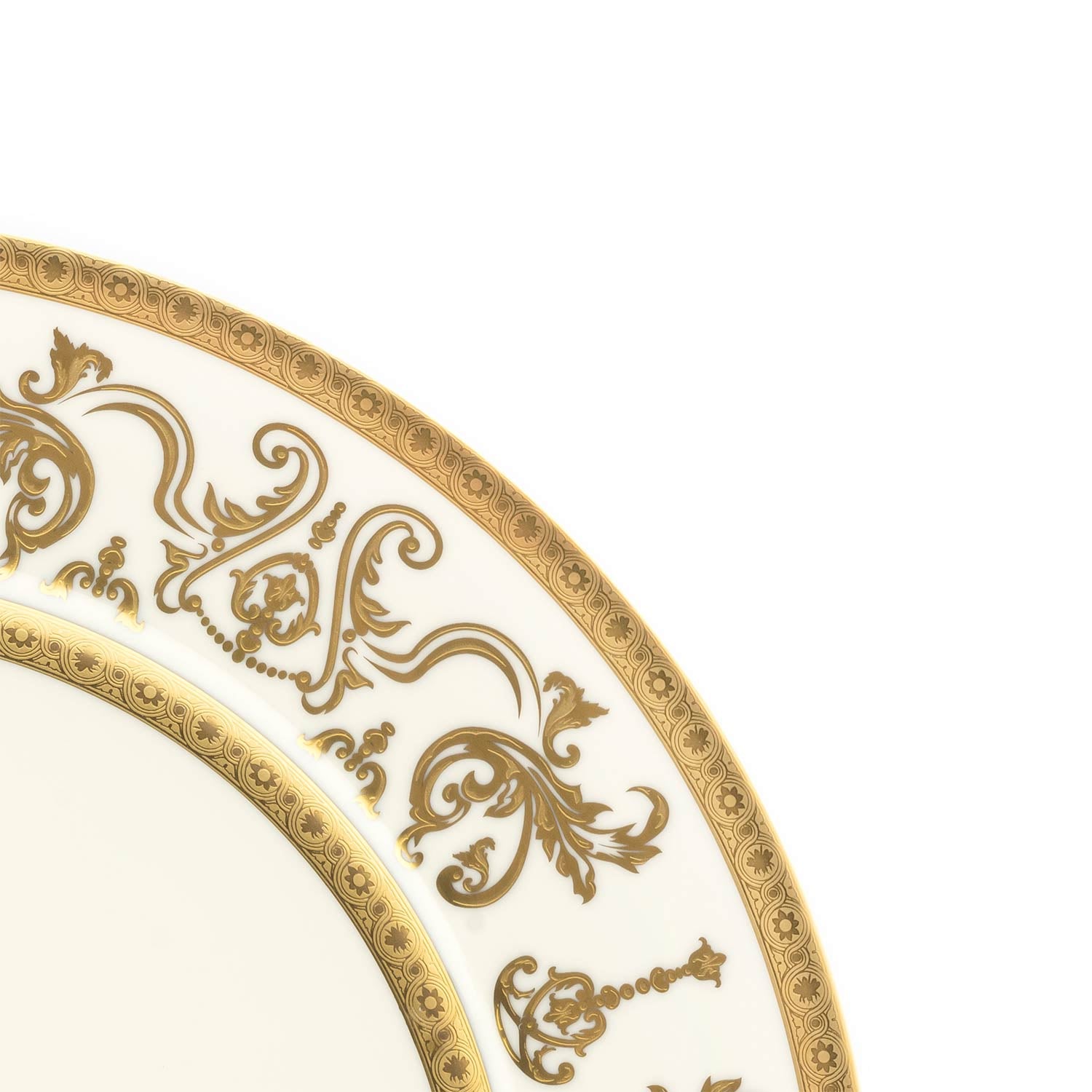
Couronne Imperial Charger Plate
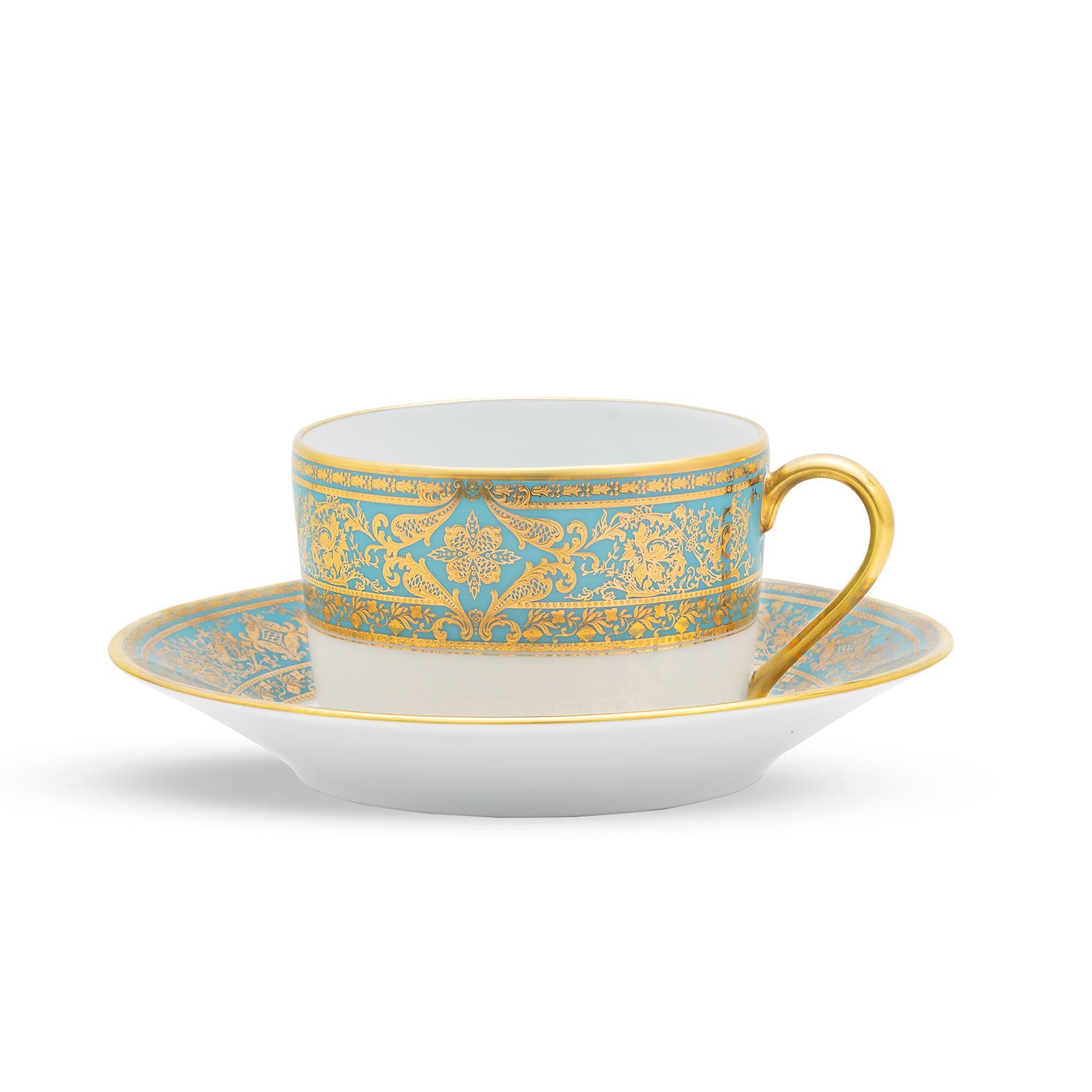
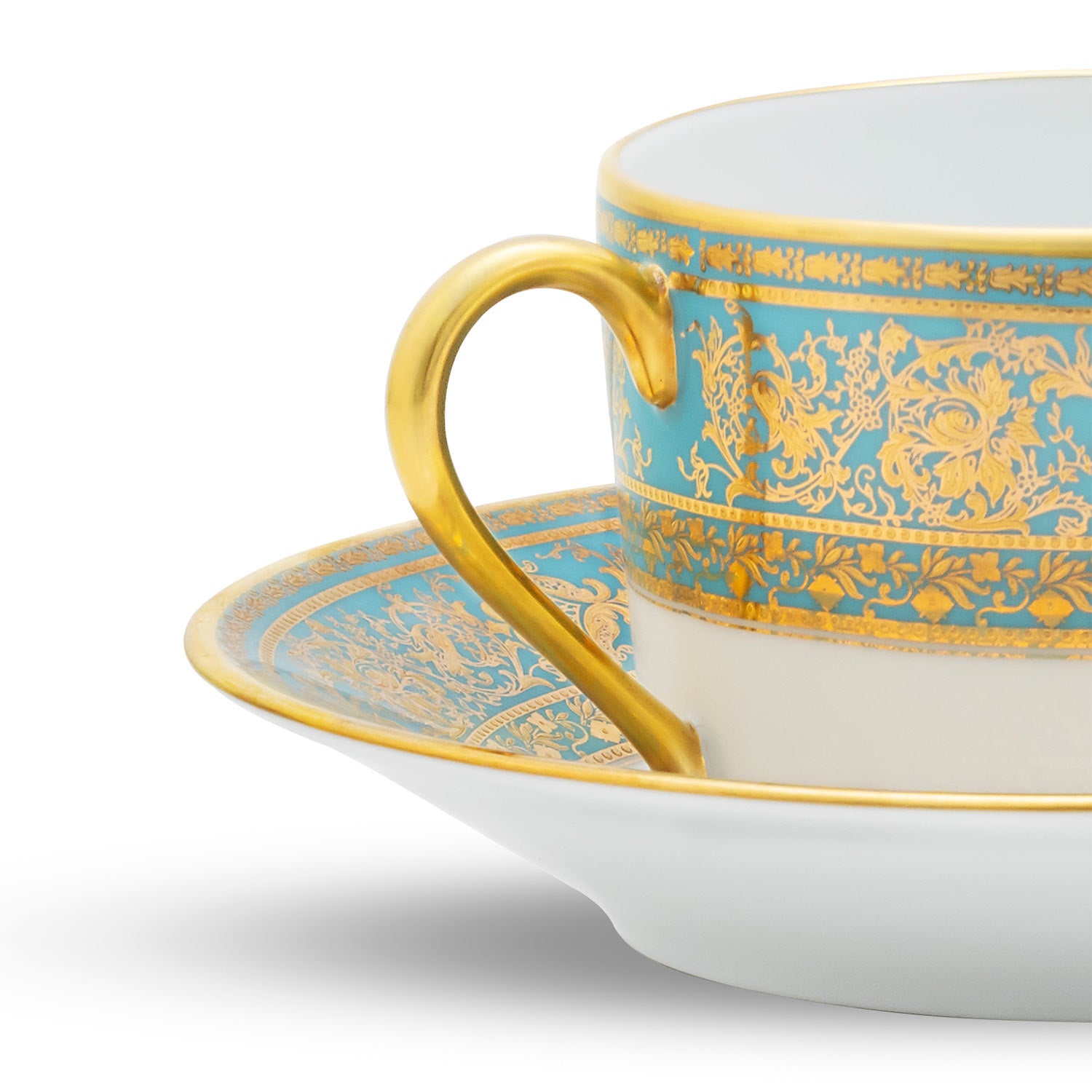
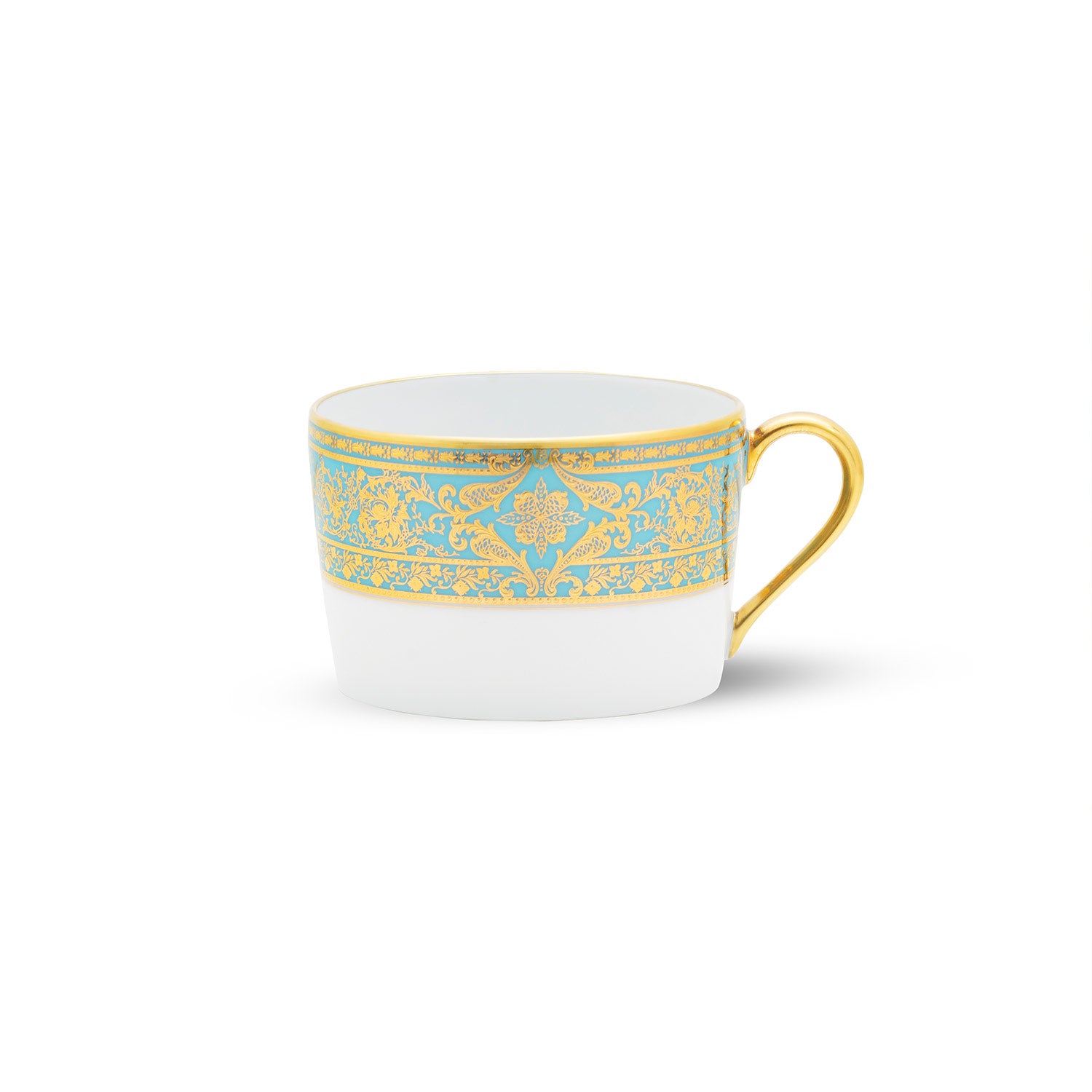
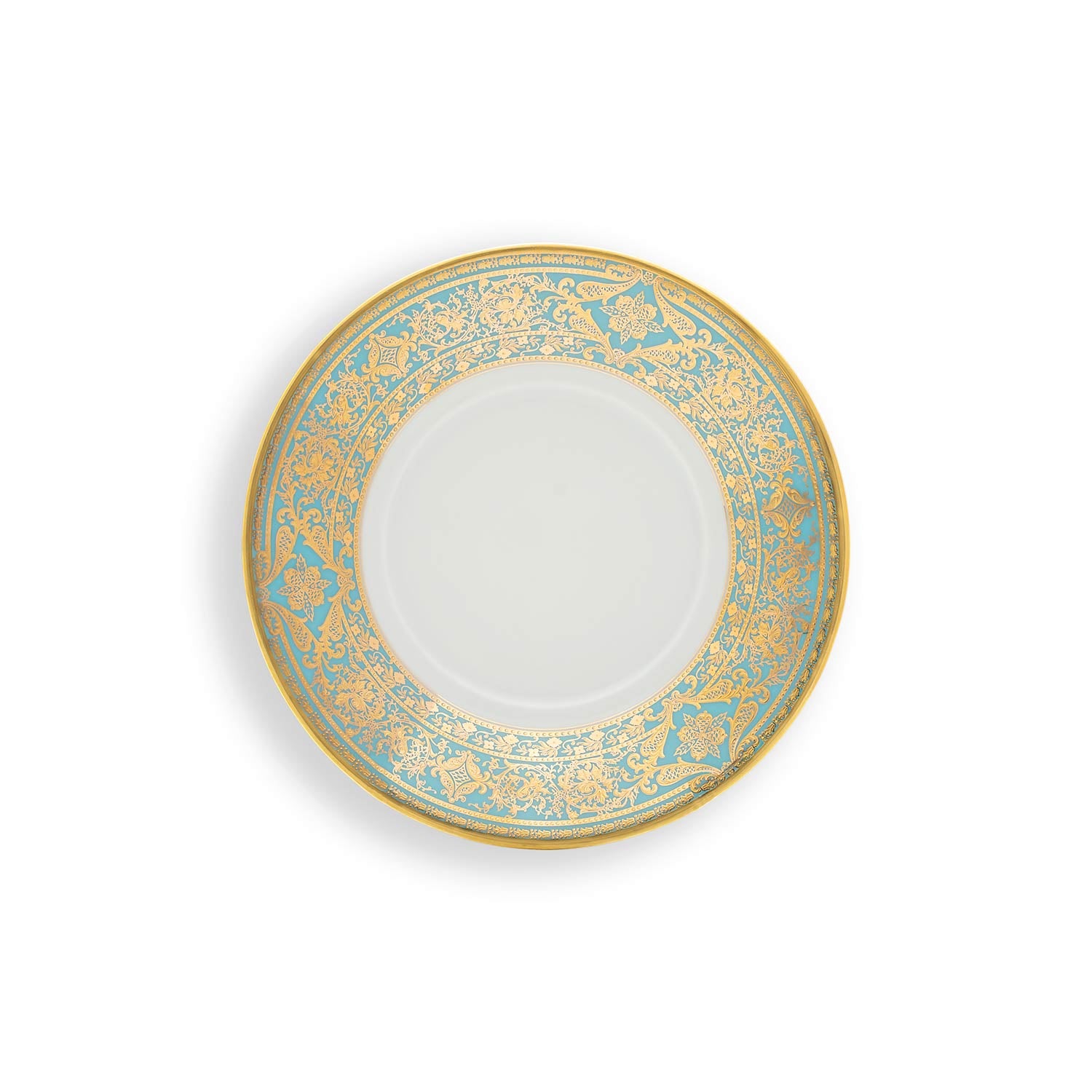
Matignon Tea Cup and Saucer


Matignon Bread & Butter Plate
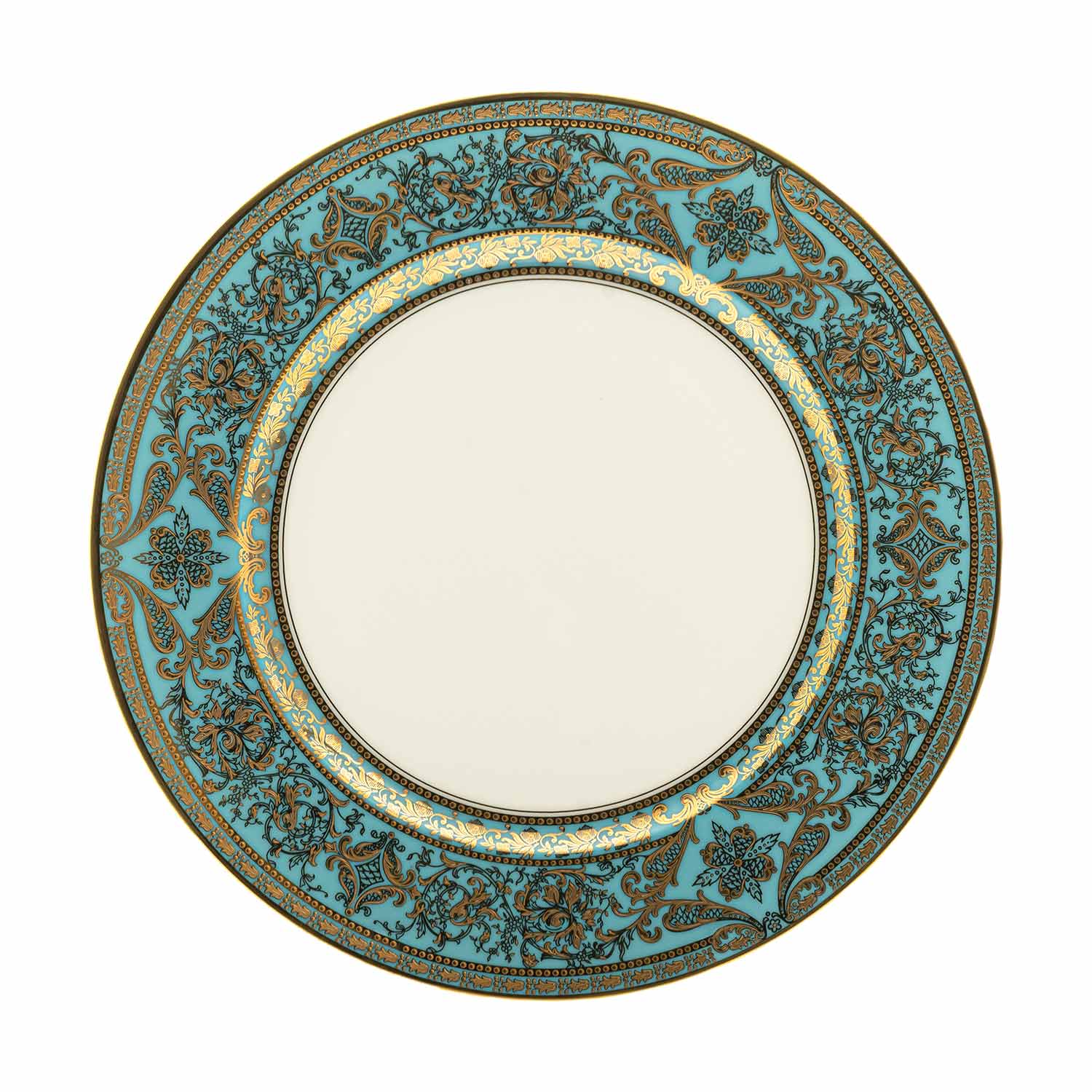
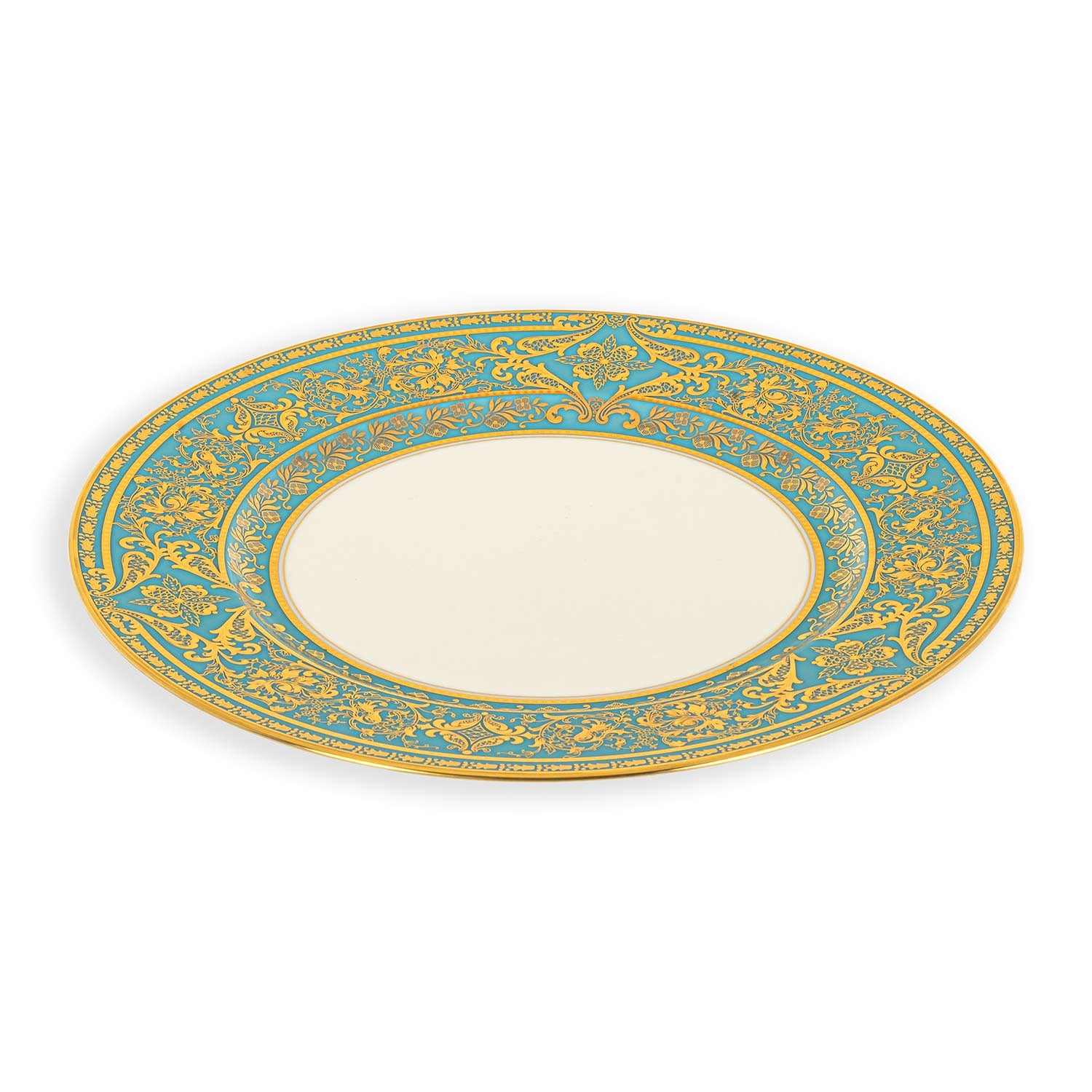
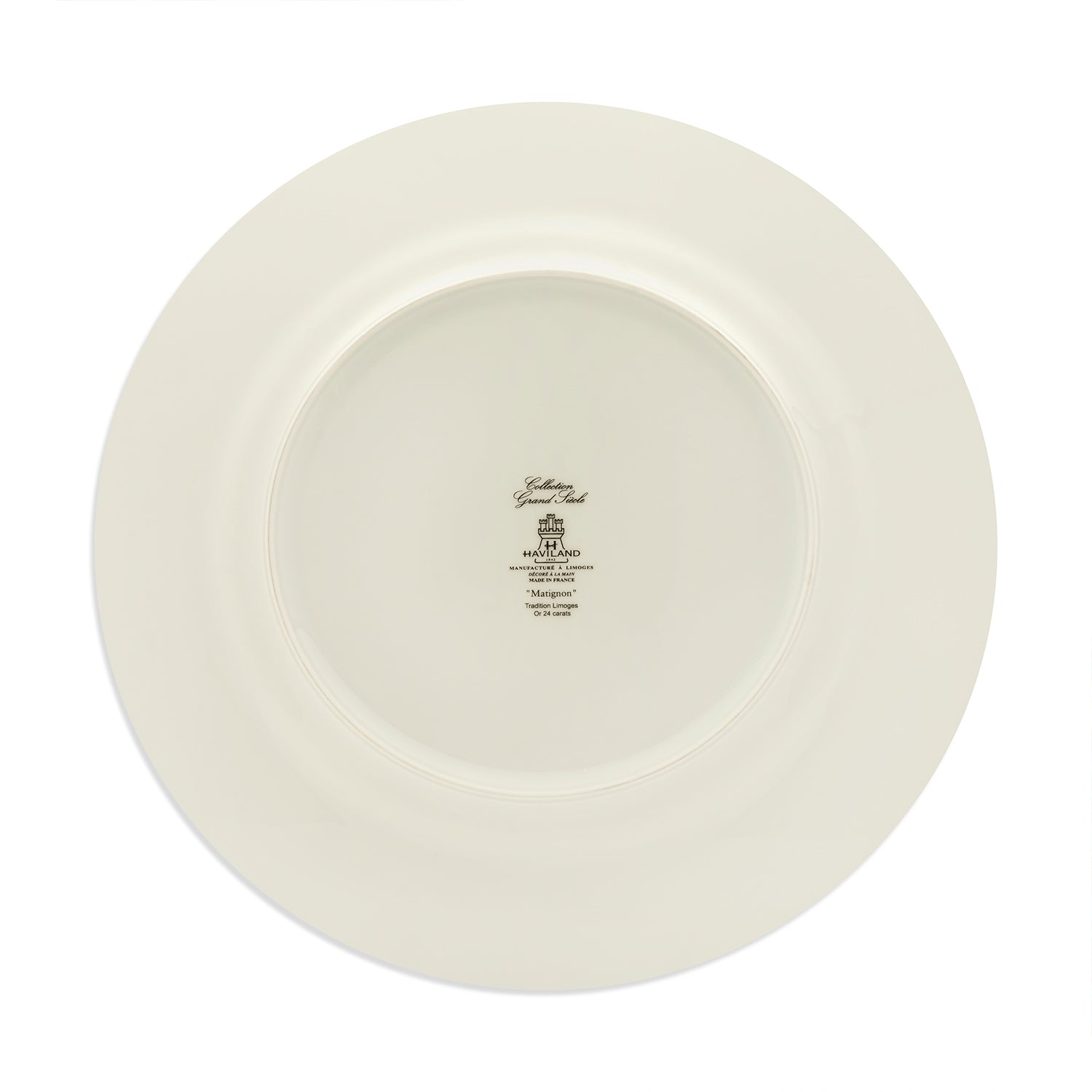
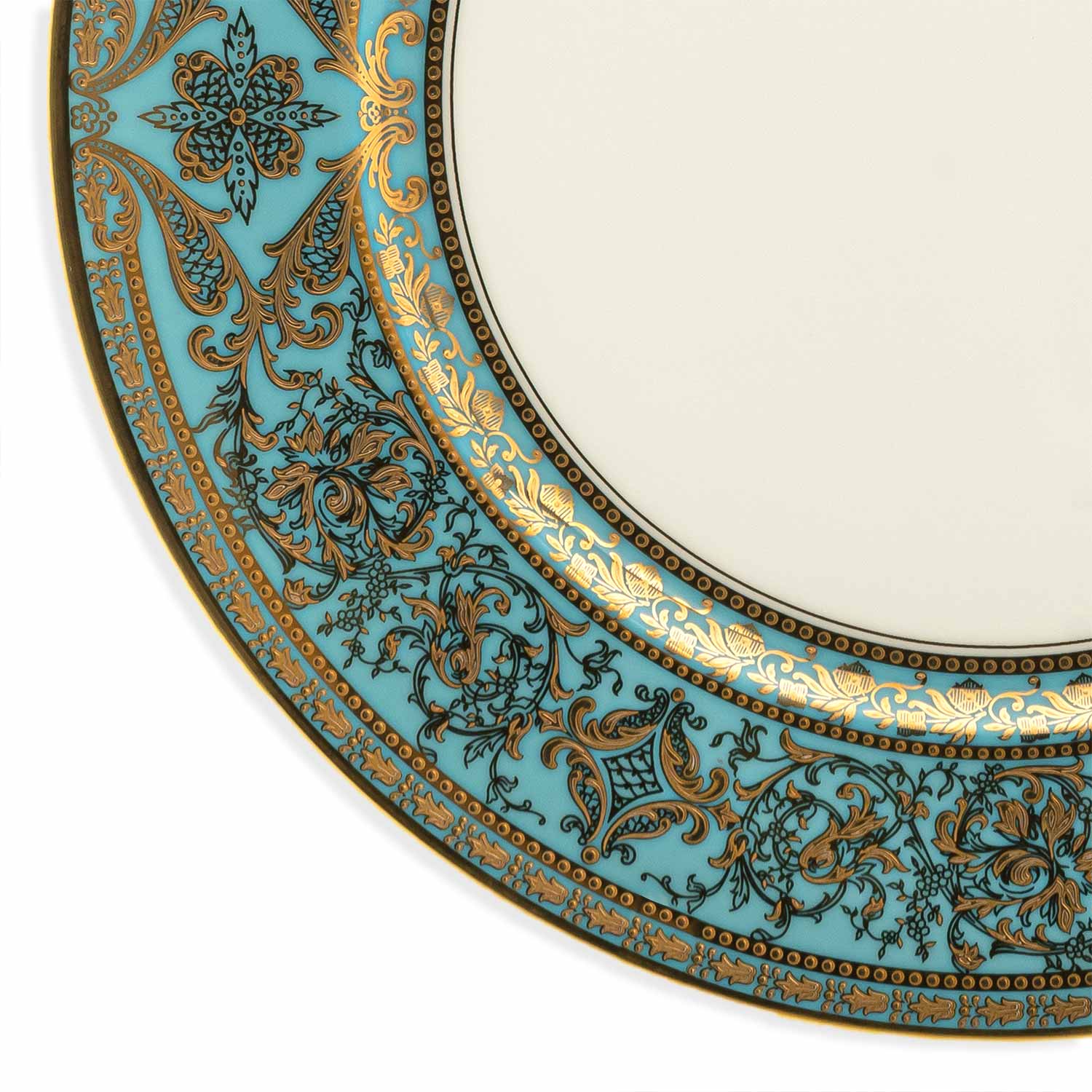
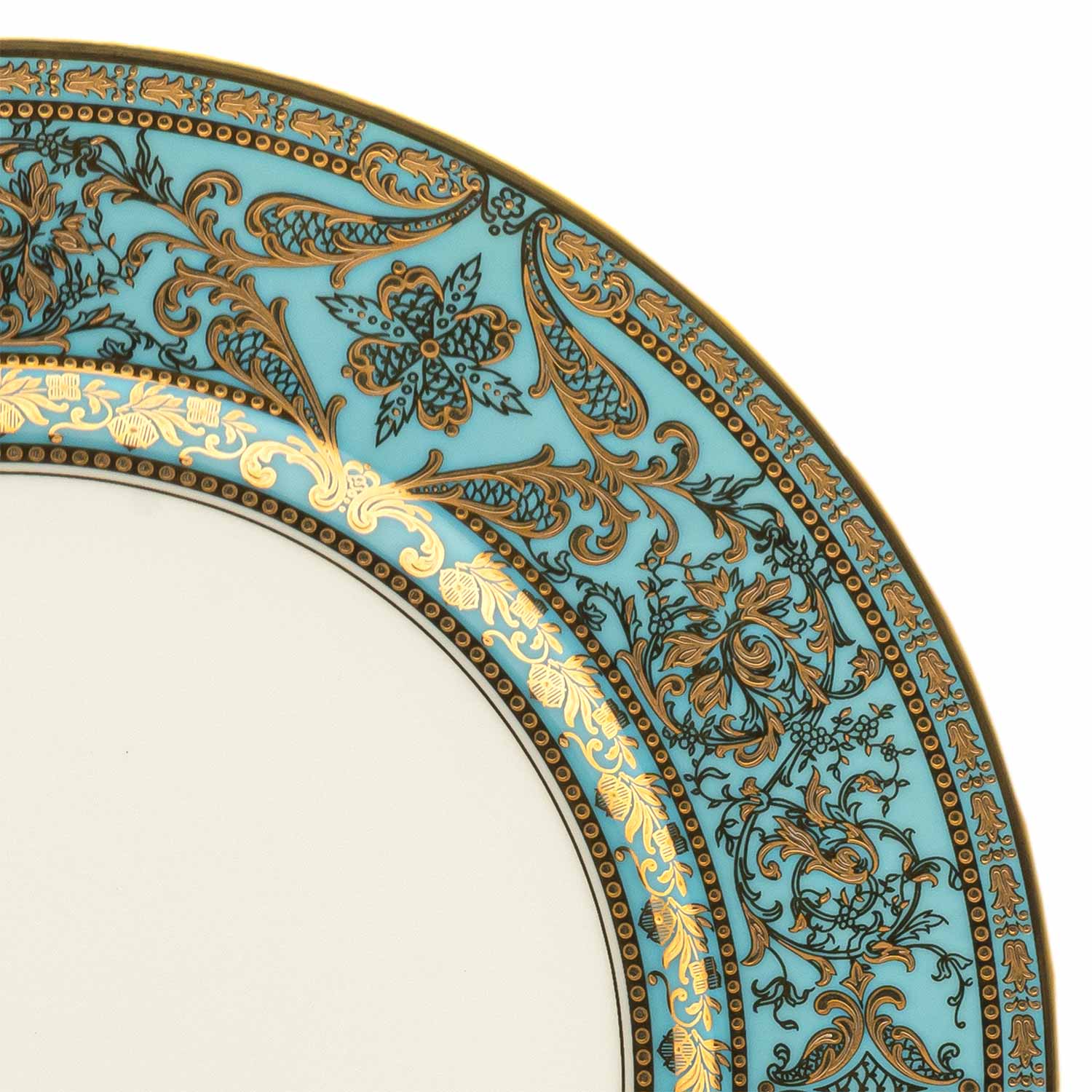
Matignon Dinner Plate
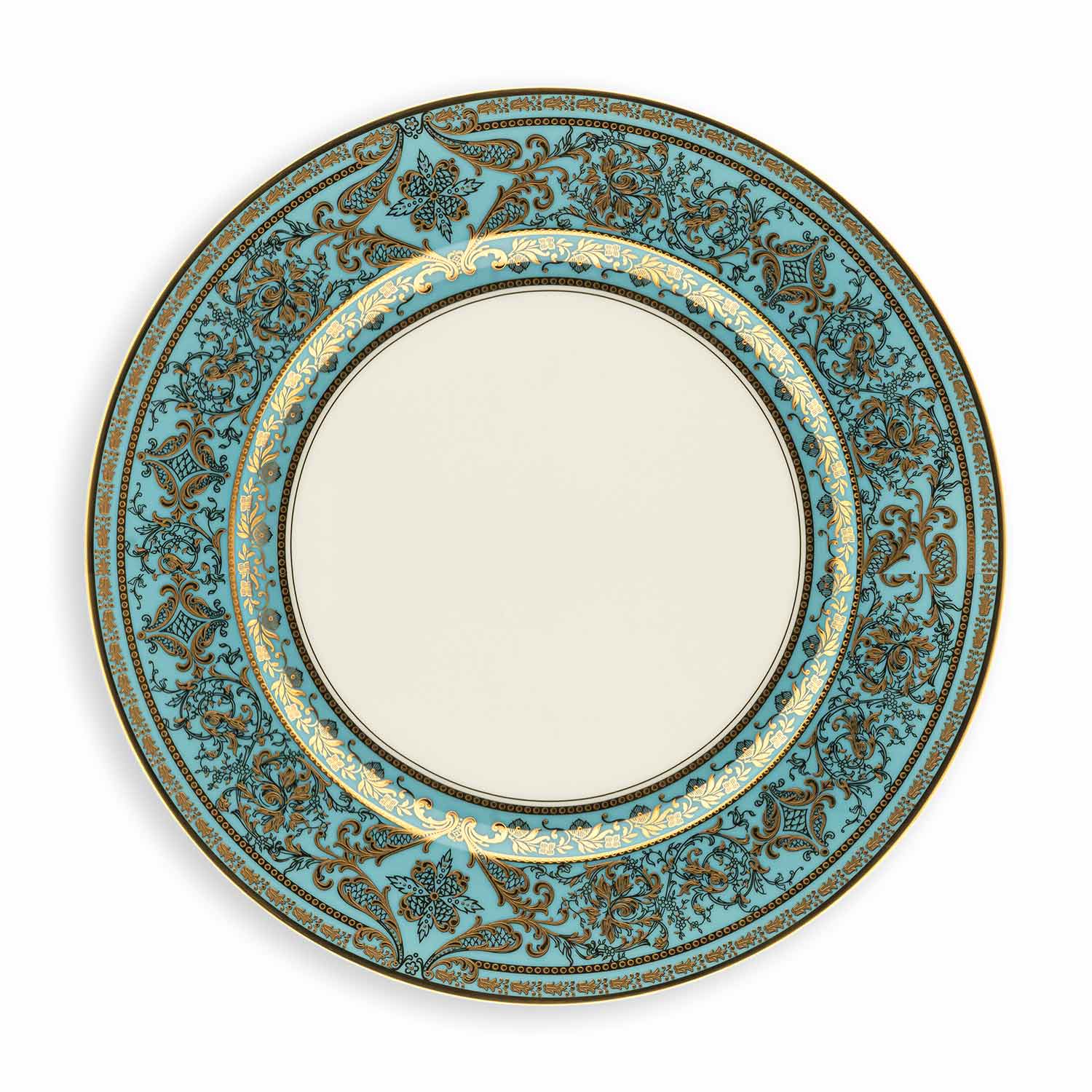
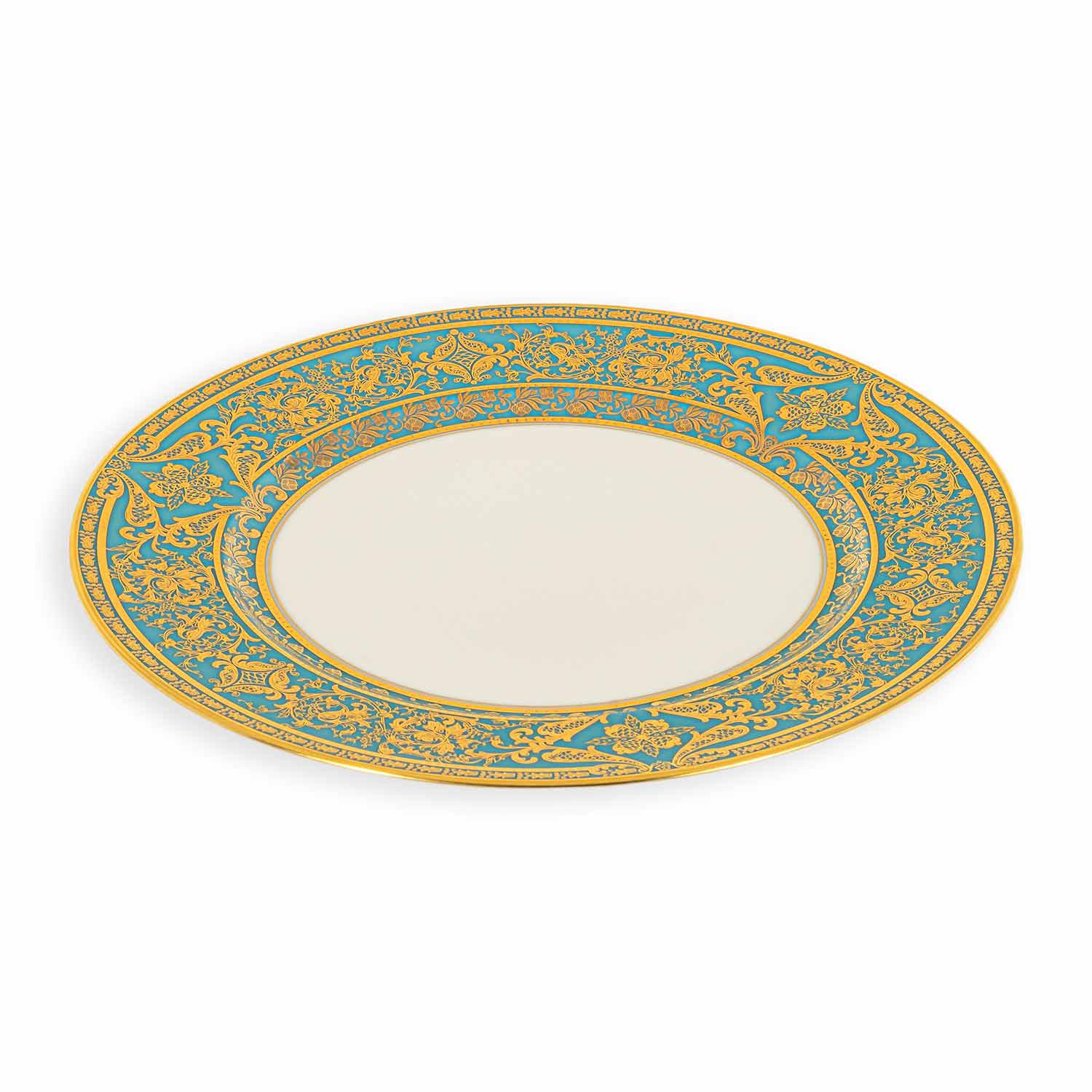
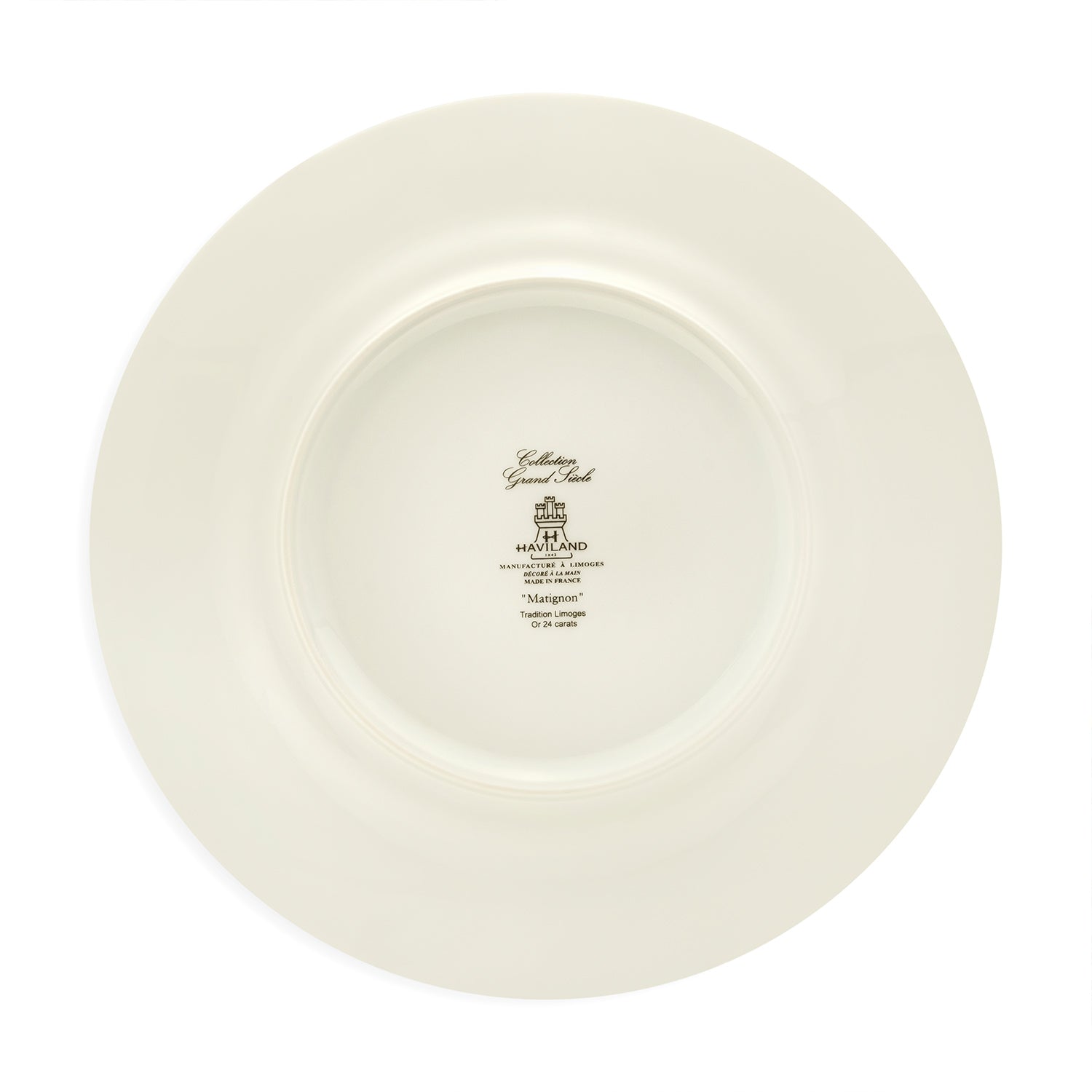
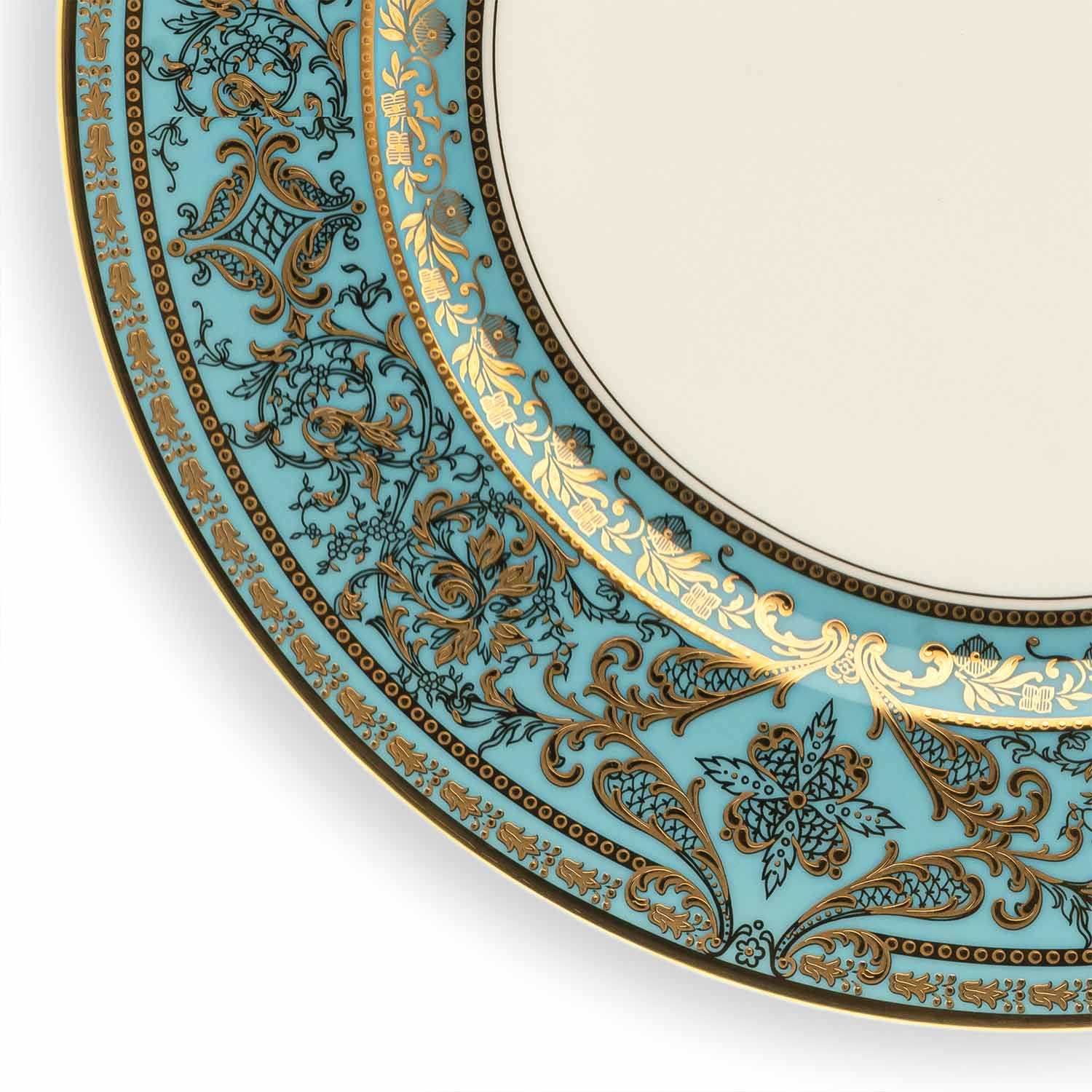
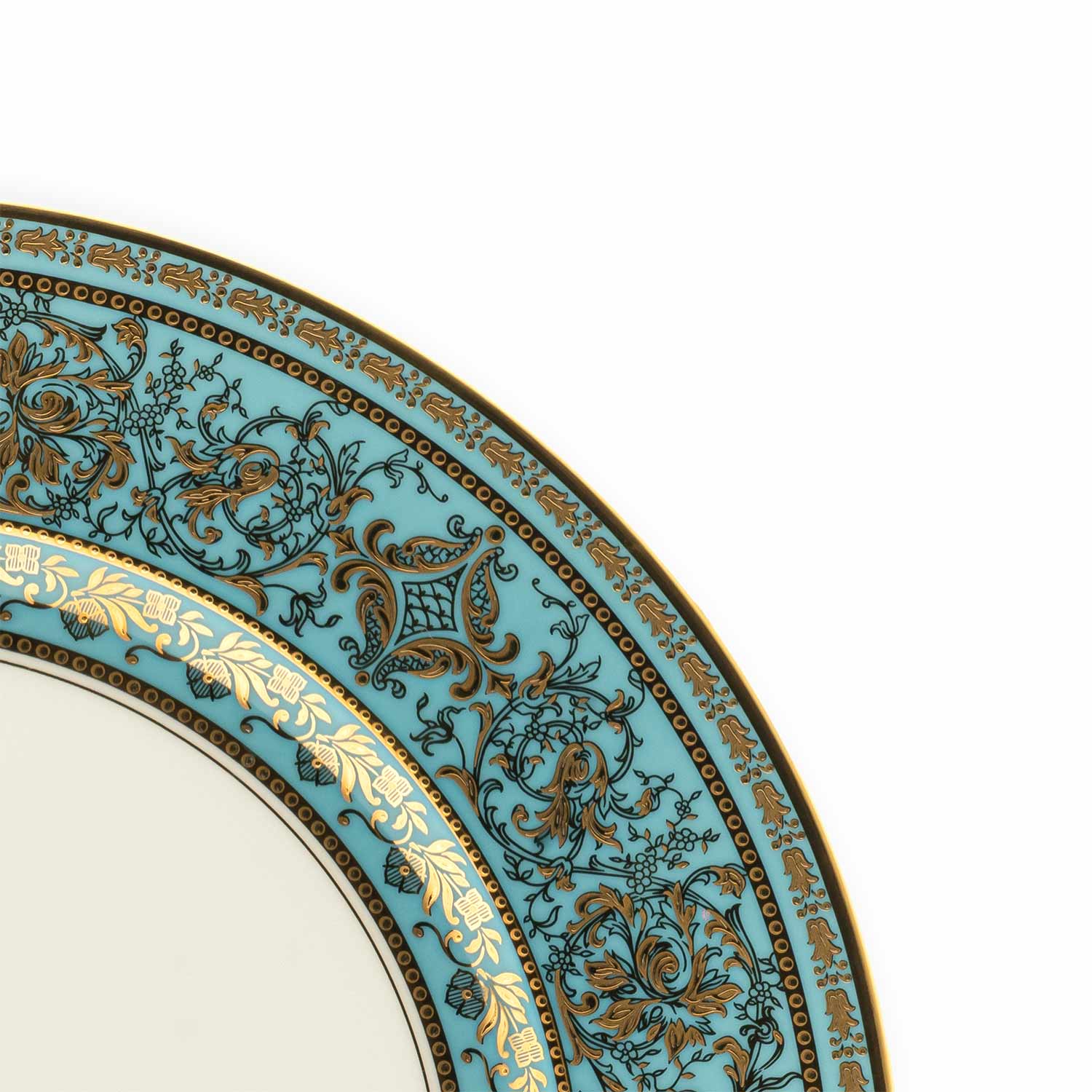
Matignon Side Plate
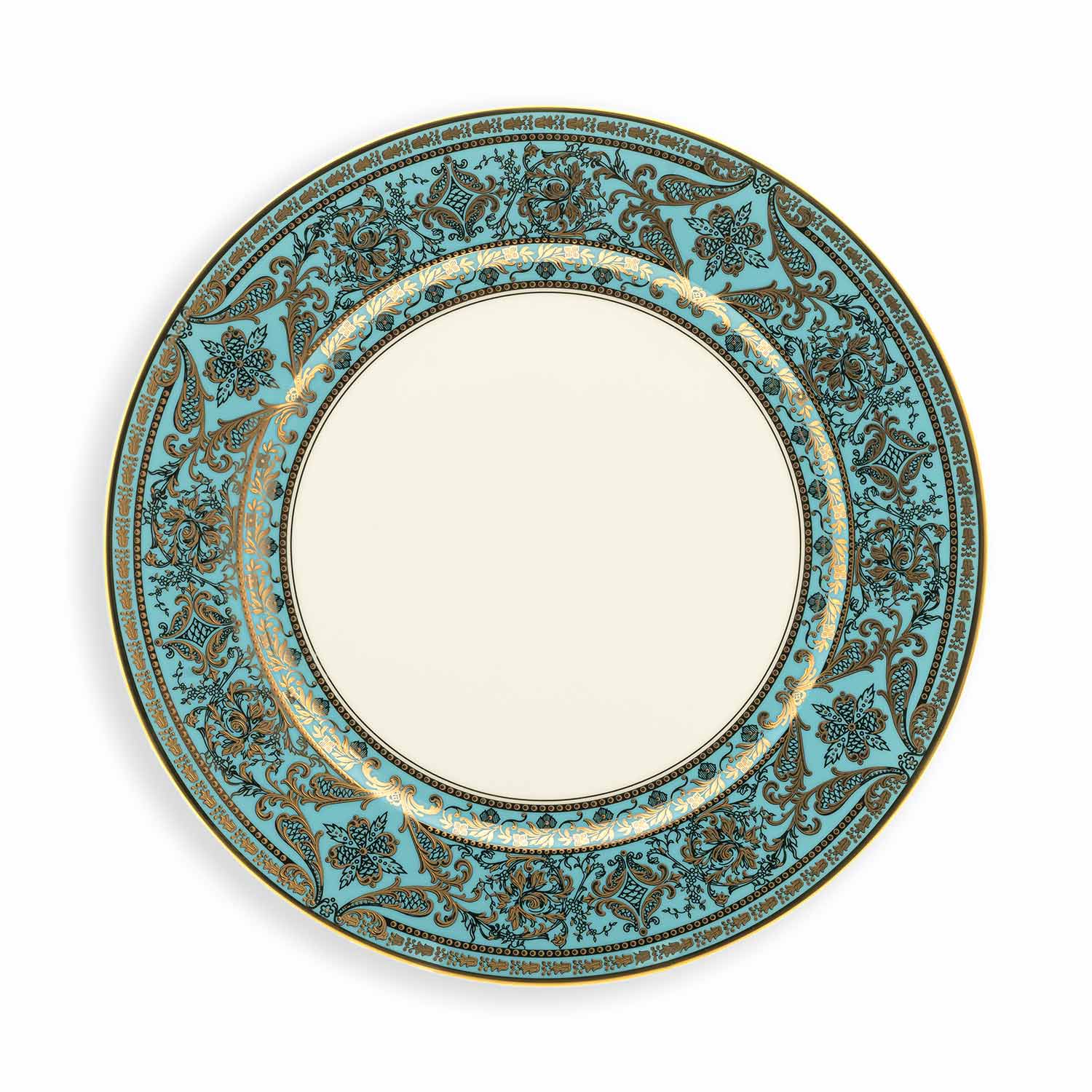
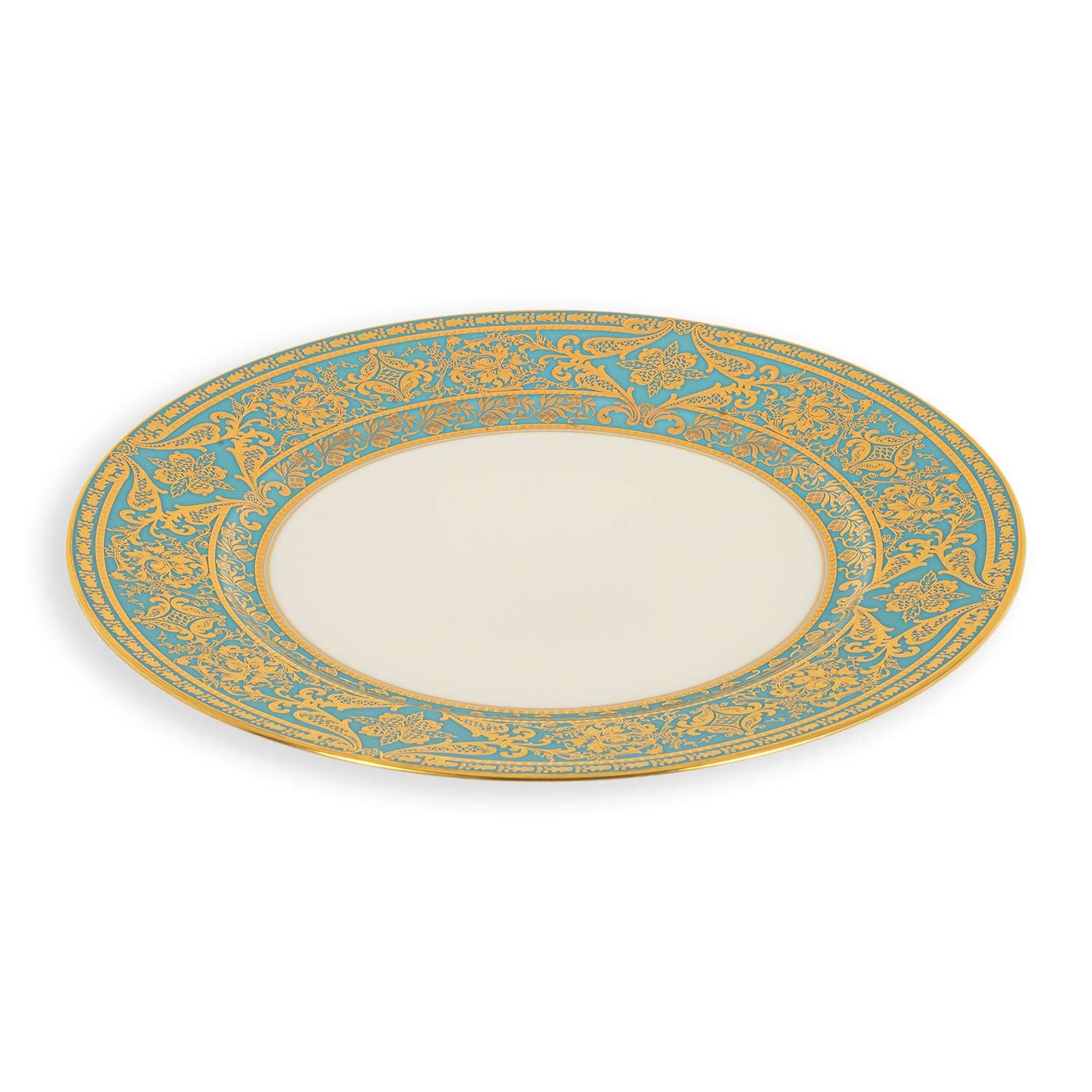
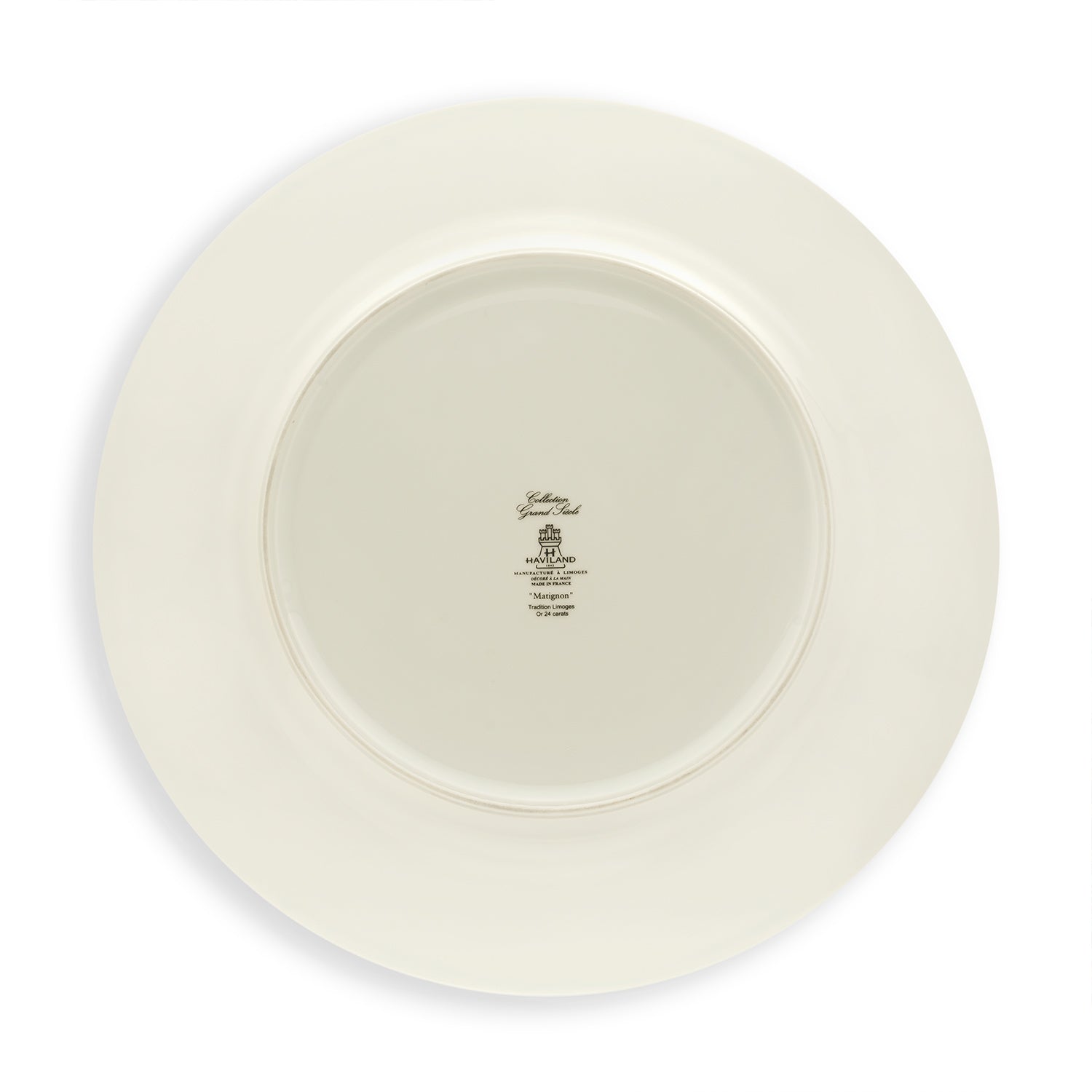
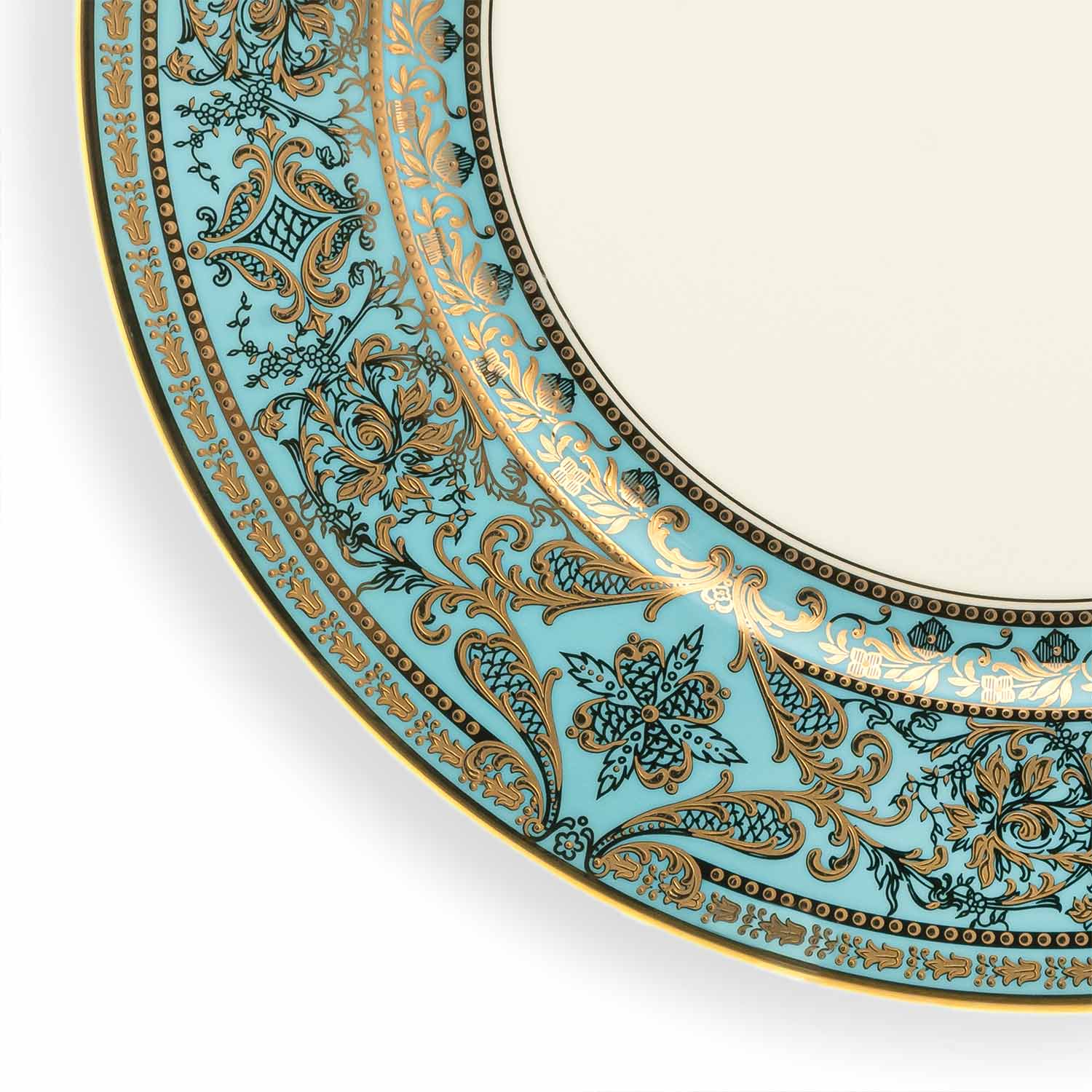
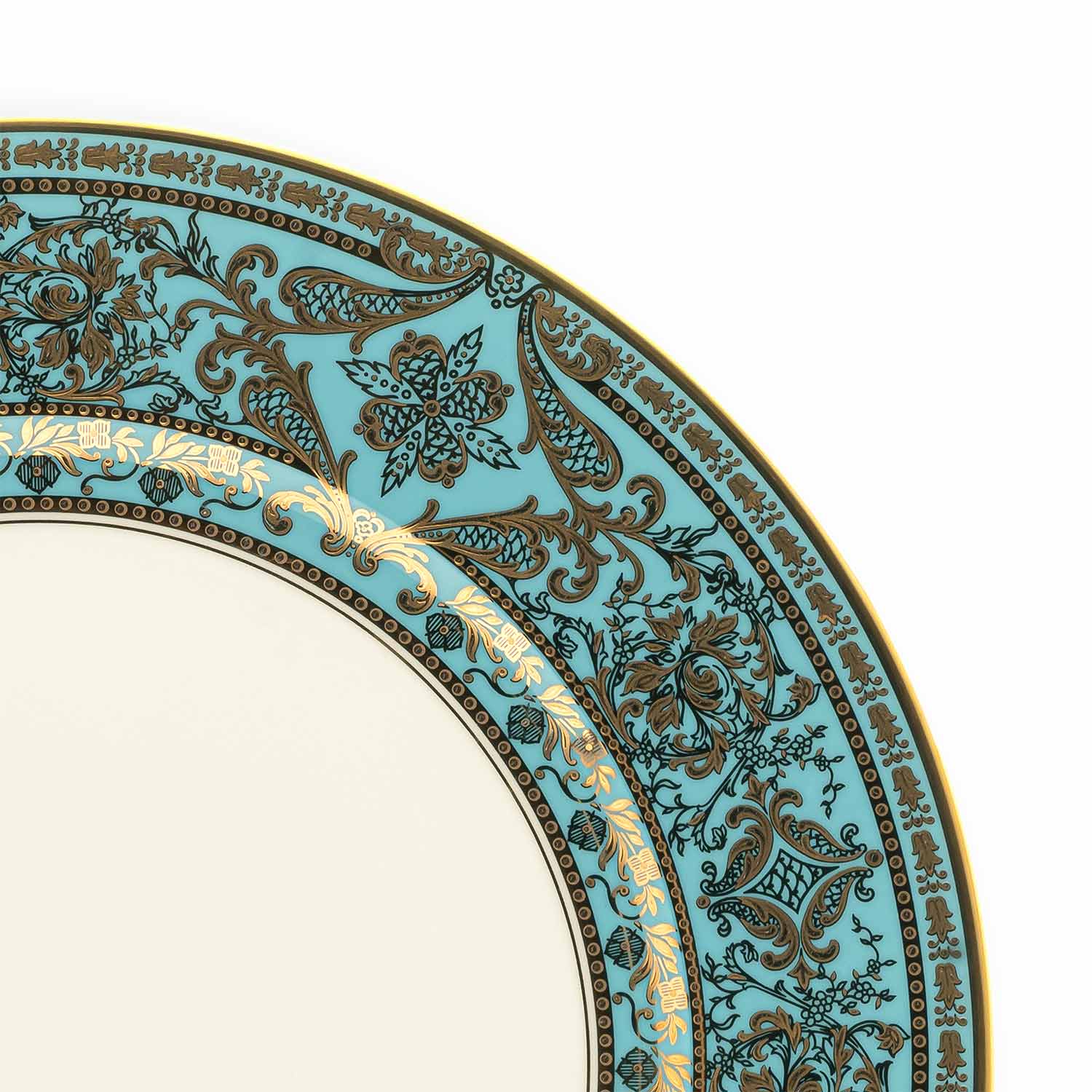
Matignon Charger Plate
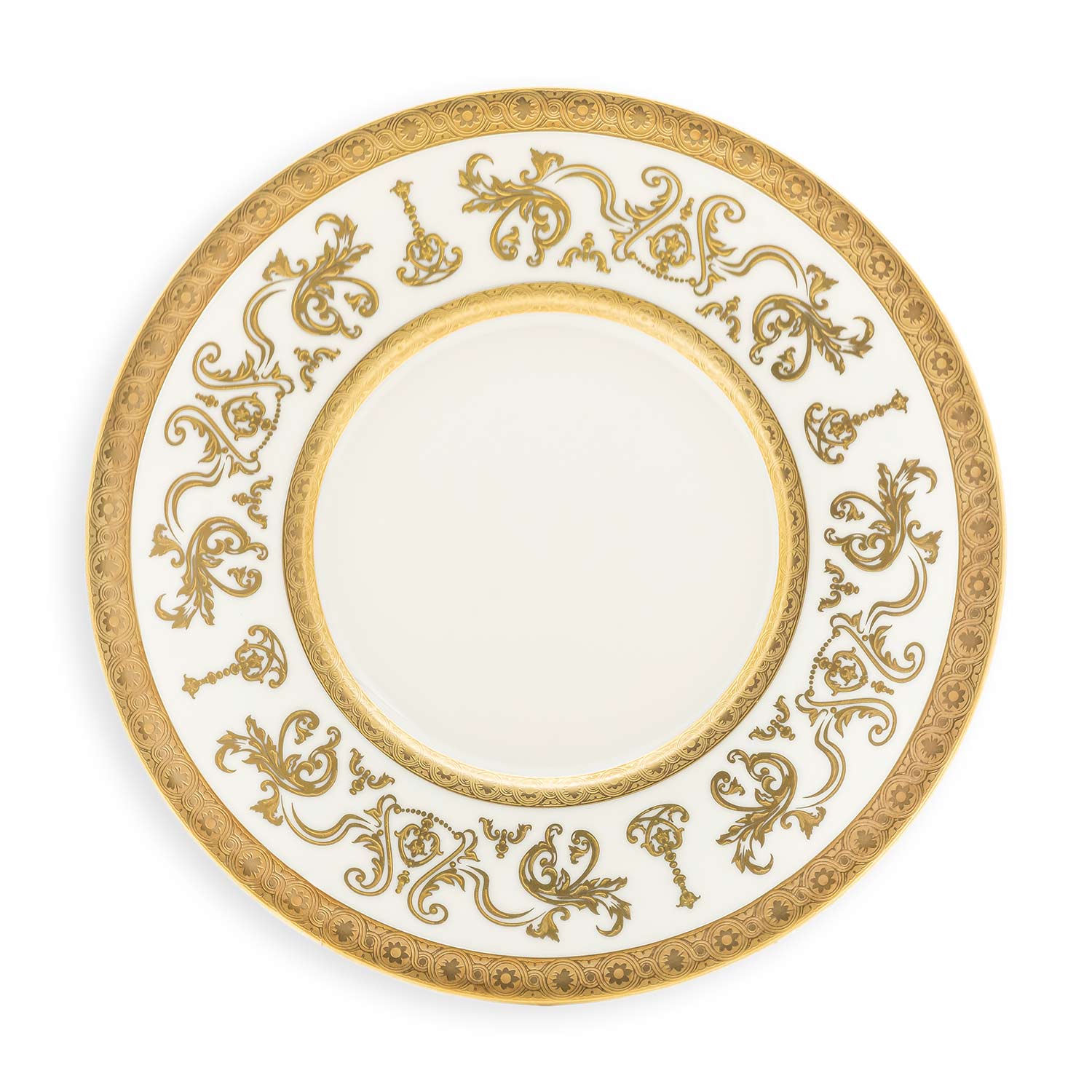
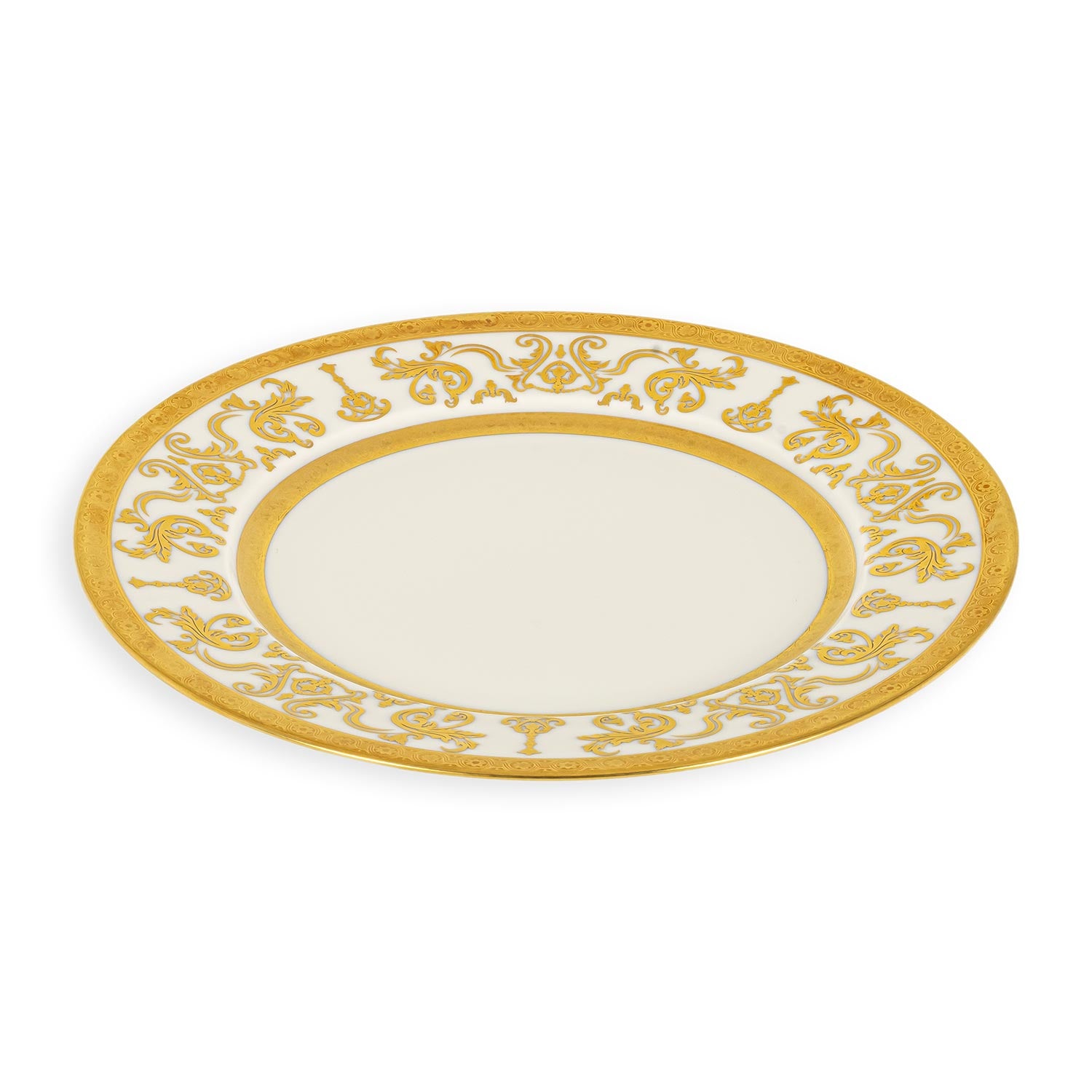
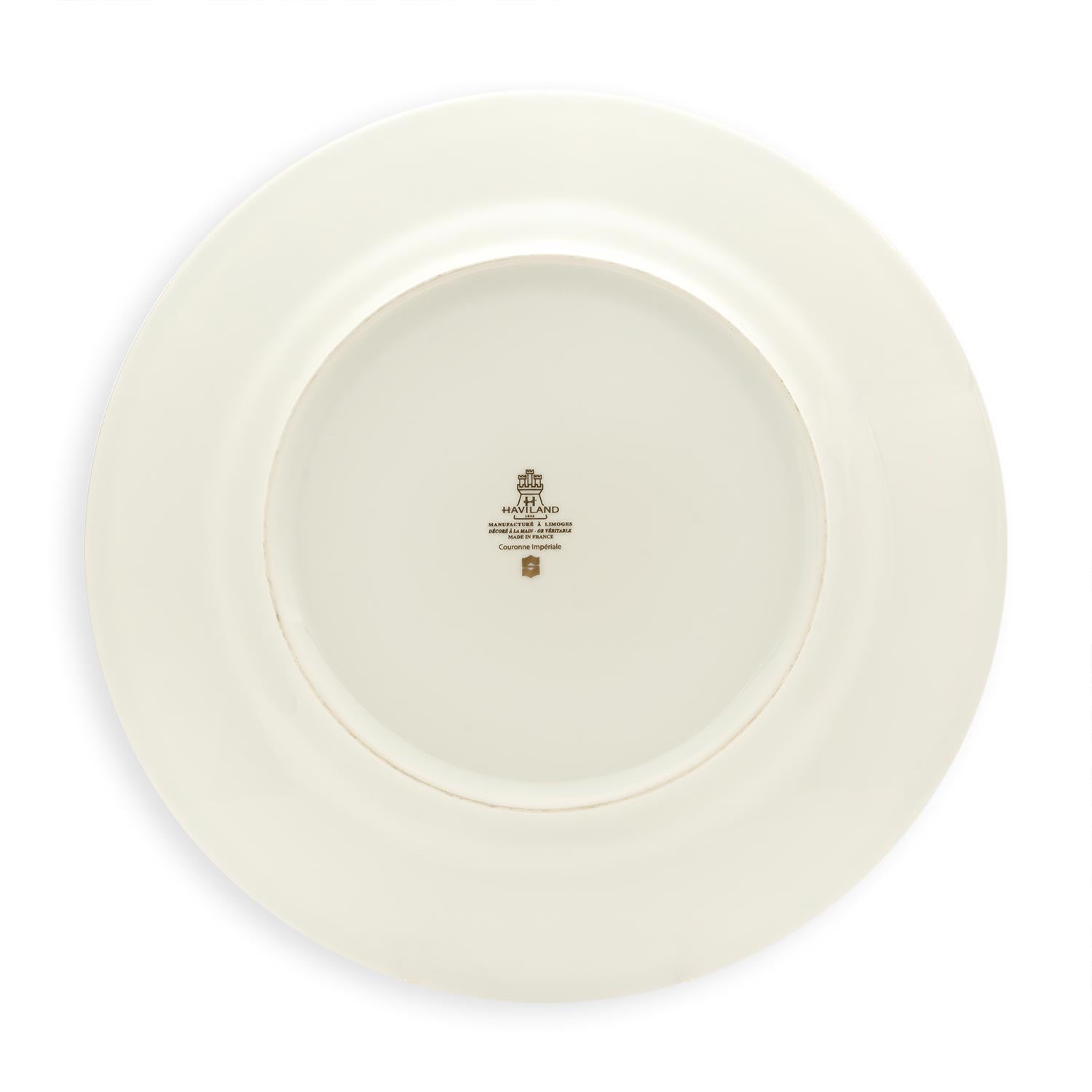
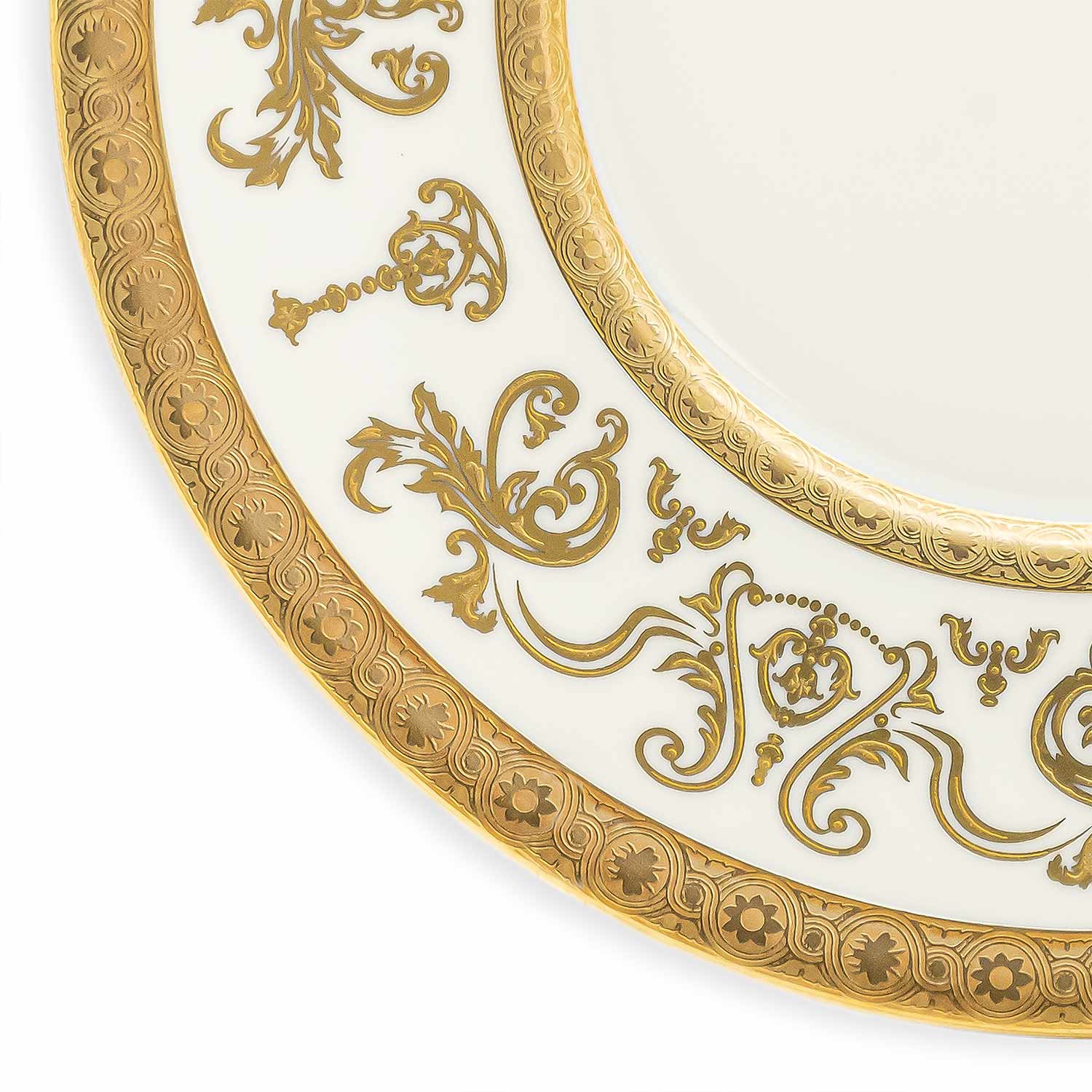
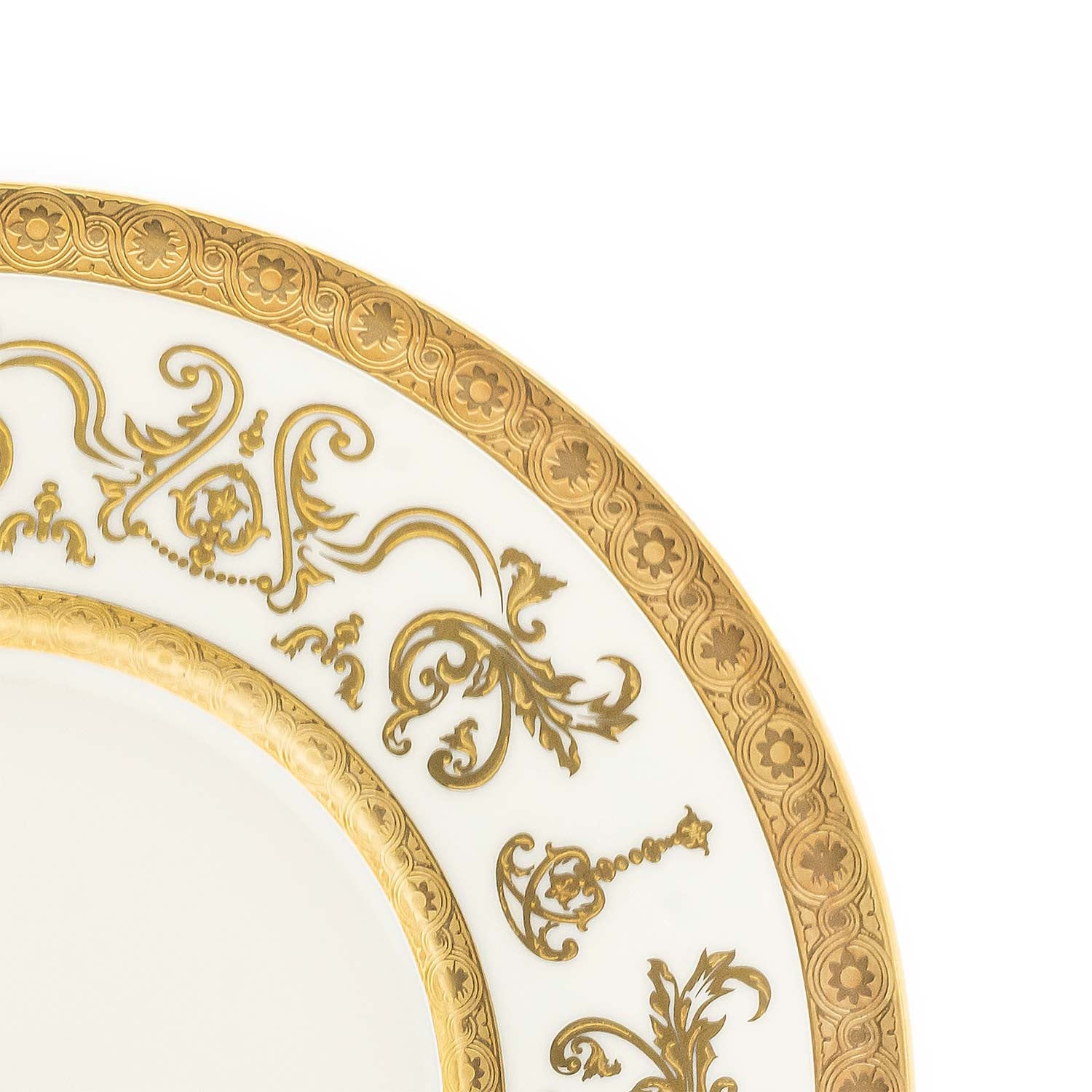
Couronne Imperial Tart Platter
Haviland Limoges Porcelain | Luxury French Porcelain Tableware
About Haviland
Haviland is one of the world's most distinguished Limoges porcelain manufacturers, founded in France in 1842 by David Haviland — an American importer who recognised the superior quality of French Limoges porcelain and relocated from New York to Limoges to produce it directly. His decision transformed not only his own business but the entire Limoges porcelain industry: by establishing his own decorating workshops in Limoges rather than sending blanks to Paris for decoration, David Haviland created a vertically integrated luxury porcelain operation whose standards of design control and quality consistency set the benchmark for the category.
Limoges, in the Haute-Vienne region of central France, is the most significant centre of fine porcelain production in France and one of the most important in the world. The region's prominence derives from the discovery of kaolin — the white clay that is the essential raw material of hard-paste porcelain — in the area in the 18th century. Limoges porcelain, fired from this local kaolin, is distinguished by its exceptional whiteness, translucency, and the precision with which it holds decoration: properties that made it the preferred material of the finest French tableware houses for over two centuries.
Haviland has supplied porcelain tableware to some of the most distinguished addresses in the world. Multiple American presidential administrations — including those of Abraham Lincoln, Ulysses S. Grant, Rutherford B. Hayes, Grover Cleveland, and Theodore Roosevelt — ordered White House state service china from Haviland. By the mid-19th century, Haviland was the largest importer of French porcelain into the United States. The brand's finest period, in the late 19th century, produced some of the most technically accomplished and artistically innovative porcelain of the era, and many of these pieces are now held in major museum collections worldwide.
Today, Haviland continues to produce Limoges porcelain in France, with collections spanning the heritage floral and botanical design traditions of the 19th century and contemporary designs including the Infini and Rêves du Nil series. The Haviland collection at Thomas Goode India is available at The Oberoi Hotel, New Delhi and online, bringing one of France's most storied porcelain houses to the Indian luxury tableware market.
The Haviland Design Tradition
Limoges Porcelain and the Haviland Standard
The term "Limoges porcelain" refers specifically to hard-paste porcelain produced in or near the city of Limoges using local kaolin. Hard-paste porcelain — the formulation developed in China and brought to Europe by Meissen in 1710 — is fired at temperatures above 1300°C, producing a denser, harder, and more vitrified material than soft-paste alternatives. Limoges hard-paste porcelain is characterised by its pure whiteness, its precise surface for holding decoration, and the clarity of colour it achieves under the glaze.
Haviland's contribution to this tradition was not merely commercial: by establishing his own decorating school in Limoges, David Haviland developed a house style that combined French elegance with an understanding of American aesthetic preferences — lighter, more naturalistic floral decoration than the heavily gilded European court style of the period, and a refinement of form that suited the formal American dining table of the 19th century. This sensitivity to the relationship between decorative character and the occasion of use has defined the Haviland approach across nearly two centuries of production.
Signature Design Elements
Haviland's most enduring design vocabulary draws from the naturalistic French floral tradition — botanical motifs rendered with the precision and lightness of French watercolour illustration, applied to a porcelain surface that allows the finest brushwork to hold its detail permanently. Scattered bouquets, single-flower sprigs, garland borders, and ribbon-tied floral arrangements are the motifs that appear most consistently across the Haviland archive.
Contemporary Haviland collections extend this vocabulary into new design territory. The Infini collection introduces a delicately engraved recessed pattern whose sun-inspired design features rays extending toward the horizon — a geometric, contemporary motif that achieves its decorative effect through surface texture rather than colour, available in copper-toned and white formats. The diamond finishing variant produces a smooth, sparkling surface quality; the velvet finishing variant produces a contrasting matt and sparkling effect. Both represent Haviland's capacity to translate the Limoges craft tradition into a contemporary aesthetic register without losing the material standard that defines the house.
The Rêves du Nil series draws from the visual world of ancient Egypt: papyrus and palm leaf motifs in a warm, sun-drenched palette with hand-applied gold relief detailing, the gold frieze reading as a finely chiselled line at the plate's horizon. This is Haviland at its most historically adventurous — a design family that places the Limoges porcelain tradition in dialogue with one of the world's oldest and most compelling decorative art traditions.
Haviland and the American Presidential Table
The depth of Haviland's association with the White House is one of the most remarkable features of the brand's history, and one that sets it apart from every other luxury porcelain house in the world in terms of documented institutional patronage. The state dinner services produced by Haviland for American presidential administrations represent some of the most historically significant individual commissions in the history of 19th and 20th-century luxury tableware.
President Abraham Lincoln's White House china, ordered in 1861, was produced by Haviland in a purple and gold American eagle and shield design. President Ulysses S. Grant's service, ordered in 1870, is one of the most famous state china services in American history — decorated with American flora, fauna, and landscapes in a style that was simultaneously naturalistic and patriotic. President Theodore Roosevelt's 1903 service, designed in consultation with the architect Charles McKim, established the formal American state dinner aesthetic that influenced presidential china commissions for decades afterward.
These commissions are not merely historical footnotes: they demonstrate that Haviland's Limoges porcelain was considered the appropriate material for the most formal and publicly visible tableware in the world's most powerful democracy for the better part of a century.
Haviland at Thomas Goode India
Thomas Goode India carries the Haviland collection as part of its commitment to representing the full spectrum of the world's finest luxury tableware traditions. Alongside Herend from Hungary, Meissen from Germany, and Thomas Goode's own Stoke-on-Trent bone china, Haviland represents the French Limoges porcelain tradition — a fourth distinct European luxury ceramic heritage in the collection.
For buyers assembling a collection that represents the breadth of European fine porcelain — or seeking a French porcelain tableware alternative to the British and Central European options dominant in the Thomas Goode India range — Haviland is the collection's primary French porcelain answer. The combination of Haviland's documented history, its presidential commission heritage, and the Limoges tradition behind every piece positions it within the Thomas Goode India Tableware range as one of the most historically substantiated luxury porcelain brands available in India.
The Haviland collection sits naturally alongside the Dinnerware and Plates ranges, and connects to the Tea & Coffee Sets collection for the complete formal table context.
Frequently Asked Questions
What is Haviland and where is it produced?
Haviland is a French Limoges porcelain manufacturer founded in 1842 by David Haviland, an American importer who relocated from New York to Limoges, France to produce luxury porcelain directly. All Haviland porcelain is produced in Limoges — the most important centre of fine porcelain production in France, whose local kaolin deposits have supplied the raw material for French luxury ceramics since the 18th century. Haviland porcelain is available at Thomas Goode India, The Oberoi Hotel, New Delhi, and online.
What is Limoges porcelain and why is it considered a luxury standard?
Limoges porcelain is hard-paste porcelain produced in or near the city of Limoges in central France, using the local kaolin deposits whose discovery in the 18th century established the region as the centre of French fine ceramic production. Hard-paste porcelain is fired above 1300°C, producing a dense, precisely white material whose surface holds the finest decorative brushwork with clarity and permanence. The Limoges tradition has been the basis of French luxury tableware production for over 250 years, with Haviland as its most internationally recognised maker.
Did Haviland produce china for the White House?
Yes. Haviland produced state dinner services for multiple American presidential administrations across the 19th and early 20th centuries, including President Abraham Lincoln (1861), President Ulysses S. Grant (1870), and President Theodore Roosevelt (1903). The Grant service — decorated with American flora, fauna, and landscapes — is considered one of the most historically significant state china commissions in American history. By the mid-19th century, Haviland was the largest importer of French porcelain into the United States.
What is the Haviland Infini collection?
The Infini collection is one of Haviland's contemporary Limoges porcelain series, distinguished by a delicately engraved recessed surface pattern featuring sun-inspired rays extending toward the horizon. Available in copper-toned and white formats, with diamond finishing (smooth, sparkling surface) and velvet finishing (contrasting matt and sparkling) variants, the Infini collection represents Haviland's capacity to bring the Limoges craft tradition into a contemporary aesthetic register.
How does Haviland differ from other European fine porcelain houses at Thomas Goode India?
Haviland represents the French Limoges hard-paste porcelain tradition — a fourth distinct European luxury ceramic heritage alongside Herend (Hungarian hand-painted porcelain), Meissen (German hard-paste, Europe's oldest manufactory), and Thomas Goode's own English bone china. Haviland's specific distinction is its American-French founding story, its White House presidential commission heritage, and the particular naturalistic floral design vocabulary it developed in Limoges from the 1840s onward.
How should Haviland Limoges porcelain be cared for?
Haviland Limoges porcelain should be hand-washed in warm water with a mild liquid detergent and dried immediately with a soft cloth. Pieces with gold detailing — including the Rêves du Nil series with its hand-applied gold relief frieze — must not go in a dishwasher, as alkaline detergents and high wash temperatures will erode the metallic decoration. When stacking plates, place a soft cloth between pieces to prevent glaze-to-glaze contact and rim chipping.
Haviland Limoges Porcelain | Luxury French Porcelain Tableware
About Haviland
Haviland is one of the world's most distinguished Limoges porcelain manufacturers, founded in France in 1842 by David Haviland — an American importer who recognised the superior quality of French Limoges porcelain and relocated from New York to Limoges to produce it directly. His decision transformed not only his own business but the entire Limoges porcelain industry: by establishing his own decorating workshops in Limoges rather than sending blanks to Paris for decoration, David Haviland created a vertically integrated luxury porcelain operation whose standards of design control and quality consistency set the benchmark for the category.
Limoges, in the Haute-Vienne region of central France, is the most significant centre of fine porcelain production in France and one of the most important in the world. The region's prominence derives from the discovery of kaolin — the white clay that is the essential raw material of hard-paste porcelain — in the area in the 18th century. Limoges porcelain, fired from this local kaolin, is distinguished by its exceptional whiteness, translucency, and the precision with which it holds decoration: properties that made it the preferred material of the finest French tableware houses for over two centuries.
Haviland has supplied porcelain tableware to some of the most distinguished addresses in the world. Multiple American presidential administrations — including those of Abraham Lincoln, Ulysses S. Grant, Rutherford B. Hayes, Grover Cleveland, and Theodore Roosevelt — ordered White House state service china from Haviland. By the mid-19th century, Haviland was the largest importer of French porcelain into the United States. The brand's finest period, in the late 19th century, produced some of the most technically accomplished and artistically innovative porcelain of the era, and many of these pieces are now held in major museum collections worldwide.
Today, Haviland continues to produce Limoges porcelain in France, with collections spanning the heritage floral and botanical design traditions of the 19th century and contemporary designs including the Infini and Rêves du Nil series. The Haviland collection at Thomas Goode India is available at The Oberoi Hotel, New Delhi and online, bringing one of France's most storied porcelain houses to the Indian luxury tableware market.
The Haviland Design Tradition
Limoges Porcelain and the Haviland Standard
The term "Limoges porcelain" refers specifically to hard-paste porcelain produced in or near the city of Limoges using local kaolin. Hard-paste porcelain — the formulation developed in China and brought to Europe by Meissen in 1710 — is fired at temperatures above 1300°C, producing a denser, harder, and more vitrified material than soft-paste alternatives. Limoges hard-paste porcelain is characterised by its pure whiteness, its precise surface for holding decoration, and the clarity of colour it achieves under the glaze.
Haviland's contribution to this tradition was not merely commercial: by establishing his own decorating school in Limoges, David Haviland developed a house style that combined French elegance with an understanding of American aesthetic preferences — lighter, more naturalistic floral decoration than the heavily gilded European court style of the period, and a refinement of form that suited the formal American dining table of the 19th century. This sensitivity to the relationship between decorative character and the occasion of use has defined the Haviland approach across nearly two centuries of production.
Signature Design Elements
Haviland's most enduring design vocabulary draws from the naturalistic French floral tradition — botanical motifs rendered with the precision and lightness of French watercolour illustration, applied to a porcelain surface that allows the finest brushwork to hold its detail permanently. Scattered bouquets, single-flower sprigs, garland borders, and ribbon-tied floral arrangements are the motifs that appear most consistently across the Haviland archive.
Contemporary Haviland collections extend this vocabulary into new design territory. The Infini collection introduces a delicately engraved recessed pattern whose sun-inspired design features rays extending toward the horizon — a geometric, contemporary motif that achieves its decorative effect through surface texture rather than colour, available in copper-toned and white formats. The diamond finishing variant produces a smooth, sparkling surface quality; the velvet finishing variant produces a contrasting matt and sparkling effect. Both represent Haviland's capacity to translate the Limoges craft tradition into a contemporary aesthetic register without losing the material standard that defines the house.
The Rêves du Nil series draws from the visual world of ancient Egypt: papyrus and palm leaf motifs in a warm, sun-drenched palette with hand-applied gold relief detailing, the gold frieze reading as a finely chiselled line at the plate's horizon. This is Haviland at its most historically adventurous — a design family that places the Limoges porcelain tradition in dialogue with one of the world's oldest and most compelling decorative art traditions.
Haviland and the American Presidential Table
The depth of Haviland's association with the White House is one of the most remarkable features of the brand's history, and one that sets it apart from every other luxury porcelain house in the world in terms of documented institutional patronage. The state dinner services produced by Haviland for American presidential administrations represent some of the most historically significant individual commissions in the history of 19th and 20th-century luxury tableware.
President Abraham Lincoln's White House china, ordered in 1861, was produced by Haviland in a purple and gold American eagle and shield design. President Ulysses S. Grant's service, ordered in 1870, is one of the most famous state china services in American history — decorated with American flora, fauna, and landscapes in a style that was simultaneously naturalistic and patriotic. President Theodore Roosevelt's 1903 service, designed in consultation with the architect Charles McKim, established the formal American state dinner aesthetic that influenced presidential china commissions for decades afterward.
These commissions are not merely historical footnotes: they demonstrate that Haviland's Limoges porcelain was considered the appropriate material for the most formal and publicly visible tableware in the world's most powerful democracy for the better part of a century.
Haviland at Thomas Goode India
Thomas Goode India carries the Haviland collection as part of its commitment to representing the full spectrum of the world's finest luxury tableware traditions. Alongside Herend from Hungary, Meissen from Germany, and Thomas Goode's own Stoke-on-Trent bone china, Haviland represents the French Limoges porcelain tradition — a fourth distinct European luxury ceramic heritage in the collection.
For buyers assembling a collection that represents the breadth of European fine porcelain — or seeking a French porcelain tableware alternative to the British and Central European options dominant in the Thomas Goode India range — Haviland is the collection's primary French porcelain answer. The combination of Haviland's documented history, its presidential commission heritage, and the Limoges tradition behind every piece positions it within the Thomas Goode India Tableware range as one of the most historically substantiated luxury porcelain brands available in India.
The Haviland collection sits naturally alongside the Dinnerware and Plates ranges, and connects to the Tea & Coffee Sets collection for the complete formal table context.
Frequently Asked Questions
What is Haviland and where is it produced?
Haviland is a French Limoges porcelain manufacturer founded in 1842 by David Haviland, an American importer who relocated from New York to Limoges, France to produce luxury porcelain directly. All Haviland porcelain is produced in Limoges — the most important centre of fine porcelain production in France, whose local kaolin deposits have supplied the raw material for French luxury ceramics since the 18th century. Haviland porcelain is available at Thomas Goode India, The Oberoi Hotel, New Delhi, and online.
What is Limoges porcelain and why is it considered a luxury standard?
Limoges porcelain is hard-paste porcelain produced in or near the city of Limoges in central France, using the local kaolin deposits whose discovery in the 18th century established the region as the centre of French fine ceramic production. Hard-paste porcelain is fired above 1300°C, producing a dense, precisely white material whose surface holds the finest decorative brushwork with clarity and permanence. The Limoges tradition has been the basis of French luxury tableware production for over 250 years, with Haviland as its most internationally recognised maker.
Did Haviland produce china for the White House?
Yes. Haviland produced state dinner services for multiple American presidential administrations across the 19th and early 20th centuries, including President Abraham Lincoln (1861), President Ulysses S. Grant (1870), and President Theodore Roosevelt (1903). The Grant service — decorated with American flora, fauna, and landscapes — is considered one of the most historically significant state china commissions in American history. By the mid-19th century, Haviland was the largest importer of French porcelain into the United States.
What is the Haviland Infini collection?
The Infini collection is one of Haviland's contemporary Limoges porcelain series, distinguished by a delicately engraved recessed surface pattern featuring sun-inspired rays extending toward the horizon. Available in copper-toned and white formats, with diamond finishing (smooth, sparkling surface) and velvet finishing (contrasting matt and sparkling) variants, the Infini collection represents Haviland's capacity to bring the Limoges craft tradition into a contemporary aesthetic register.
How does Haviland differ from other European fine porcelain houses at Thomas Goode India?
Haviland represents the French Limoges hard-paste porcelain tradition — a fourth distinct European luxury ceramic heritage alongside Herend (Hungarian hand-painted porcelain), Meissen (German hard-paste, Europe's oldest manufactory), and Thomas Goode's own English bone china. Haviland's specific distinction is its American-French founding story, its White House presidential commission heritage, and the particular naturalistic floral design vocabulary it developed in Limoges from the 1840s onward.
How should Haviland Limoges porcelain be cared for?
Haviland Limoges porcelain should be hand-washed in warm water with a mild liquid detergent and dried immediately with a soft cloth. Pieces with gold detailing — including the Rêves du Nil series with its hand-applied gold relief frieze — must not go in a dishwasher, as alkaline detergents and high wash temperatures will erode the metallic decoration. When stacking plates, place a soft cloth between pieces to prevent glaze-to-glaze contact and rim chipping.