Our History
Established in 1827, Thomas Goode is a London institution, long recognised as a byword for opulent luxury and exquisite craftsmanship.
Behind the doors of 19 South Audley Street lies a story that spans generations, continents and some of the world’s most celebrated tables. Guided by an unwavering pursuit of beauty and craftsmanship, Thomas Goode became the trusted destination for royalty, nobility and collectors seeking the exceptional. Through the vision of William Goode and the relationships he cultivated with Europe’s finest makers, the company established a legacy of artistry, connoisseurship and hospitality that endures to this day.
Historical Milestones

1794
The Beginning of a Legacy
Thomas Goode was born in London, beginning a story that would go on to shape the world of fine porcelain, crystal and bespoke tableware for generations.

1827
Thomas Goode Opened Its Doors
Thomas Goode established its first shop on Mill Street in Mayfair. Within the first year alone, over 150 customers were recorded, laying the foundation for one of Britain’s most celebrated names in porcelain and crystal.

1845
A New Home in Mayfair
Thomas Goode relocated to South Audley Street, placing the company at the heart of London’s most distinguished neighbourhood and amongst its aristocratic clientele.

1848
The Bespoke Design Studio
William James Goode created the first volumes of crest and monogram designs, establishing a bespoke service that would become a defining signature of Thomas Goode.

1851
The Great Exhibition
William Goode exhibited at Prince Albert’s Great Exhibition, placing Thomas Goode amongst the leading creative and industrial talents of the Victorian era.

1858
The First Royal Commission
Thomas Goode created the celebrated House of Commons dessert service, earning recognition for exceptional design and craftsmanship. Later this year, Thomas Goode received its the first royal order from the Queen of England.

1859
Prince of Wales Dinner Service
Prince Albert commissioned Thomas Goode to make first dinner service for the Prince of Wales as he turned 18 years of ae. (later Edward VII).

1863
Royal Warrant Granted
The Prince of Wales granted Thomas Goode its first Royal Warrant, beginning a relationship with royal households that continued across generations.

1876
The Opening of the Great Galleries
The new South Audley Street galleries opened their doors. Designed by Ernest George and Harold Peto, the building became one of Mayfair’s most distinctive landmarks.

1878
A Global Stage
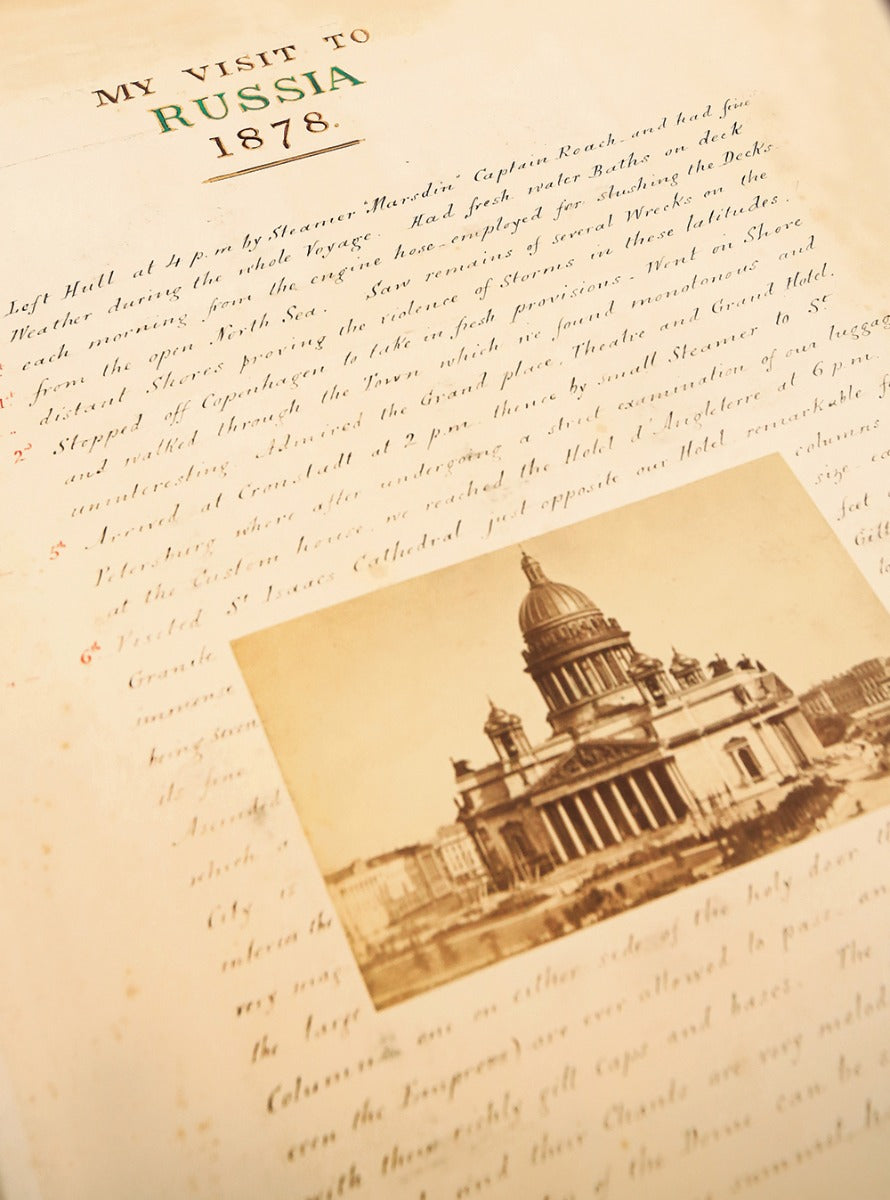
Following the Paris International Exhibition, William Goode acquired the wares showcased at the fair and exhibited the finest porcelain and glass creations in its London galleries.

1884
Purveyor to Queen Victoria
Queen Victoria granted a Royal Warrant to William James Goode, recognising Thomas Goode as Purveyor of China to Her Majesty.

1889
The Paris Exhibition and the Famous Elephants
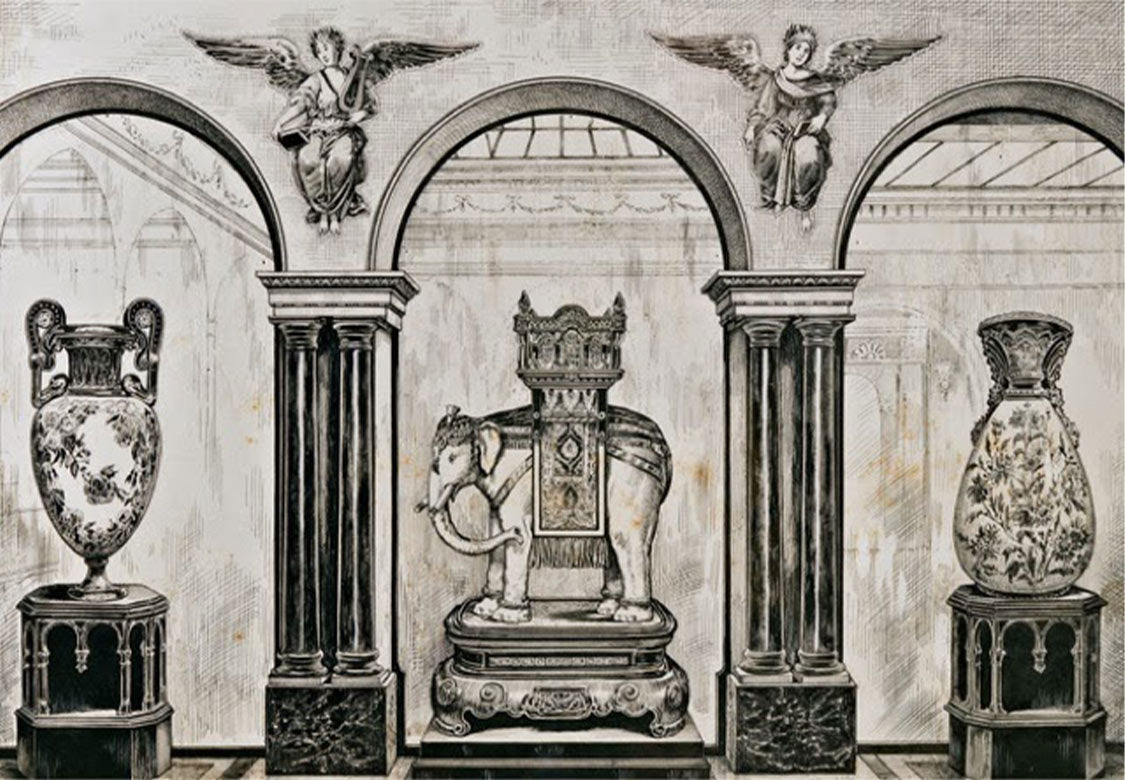
For the Paris Exposition Universelle, Thomas Goode commissioned a pair of monumental ceramic elephants from Minton, which became enduring icons of the brand.

1918
A New Chapter
Thomas Goode & Co. was incorporated as a company, ensuring its continued stewardship while preserving its commitment to craftsmanship and bespoke design.

1924
Queen Mary’s Dolls House
Thomas Goode was commissioned to create miniature porcelain tableware for Queen Mary’s Dolls House at Windsor Castle, executed with extraordinary precision.

1981
A Royal Wedding Commission
Thomas Goode was commissioned to create the commemorative wedding plates for the marriage of T.R.H The Prince and Princess of Wales.

2009 & 2010
Where Fashion Met the Table
Thomas Goode partnered with Vivienne Westwood and Paul smith to create distinctive collections that bridged the worlds of fashion, design and entertaining.

2015
V&A Exhibition
Thomas Goode iconic elephants exhibited at the 1889 Paris exhibition were the centre piece of Sculpture Victorious exhibition at the Victoria & Albert Museum.