
Our History
Established in 1827, Thomas Goode is a London institution, long recognised as a byword for opulent luxury and exquisite craftsmanship.
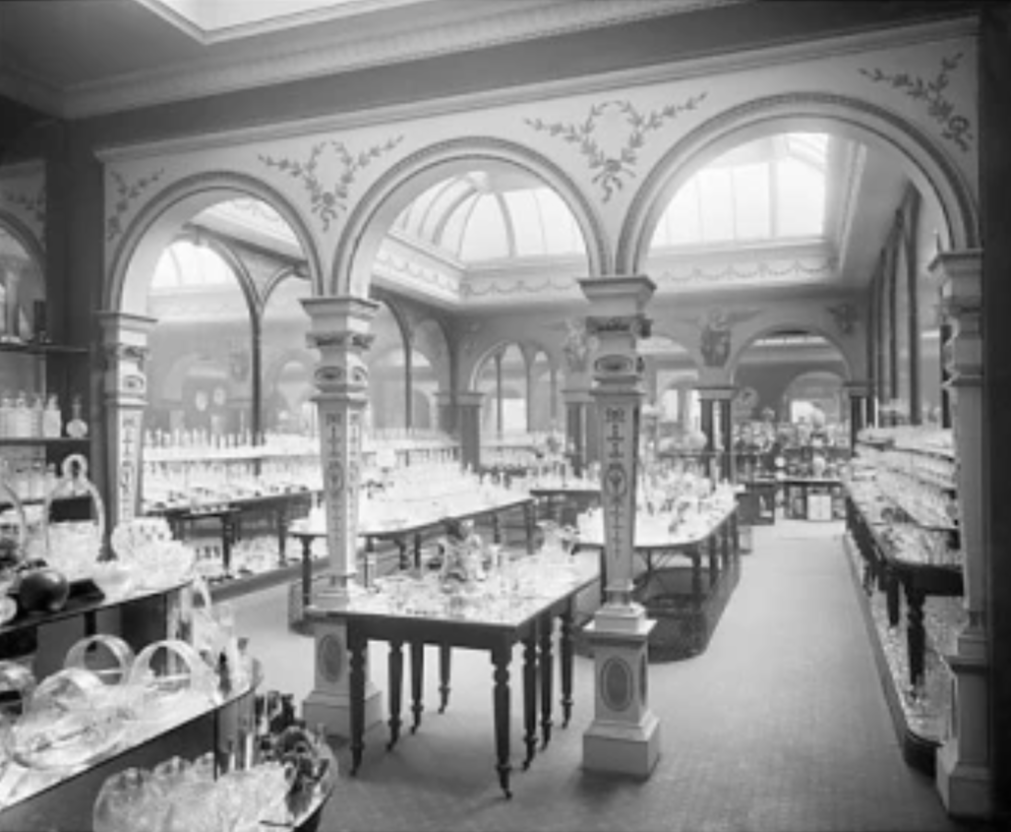
Thomas Goode have occupied 19 South Audley Street since 1845. Back in 1875, the building was re-designed by Ernest George, and it was transformed into London’s foremost tableware emporium by Thomas Goode’s son, the enterprising William Goode, who joined the business in 1848 and travelled the world not just in search of the finest porcelain and bone china designs, but also providing a uniquely personal service to Europe’s noble families; in the process endowing the business with a calibre of clientèle that endures to this day.
The History Of Thomas Goode
1827
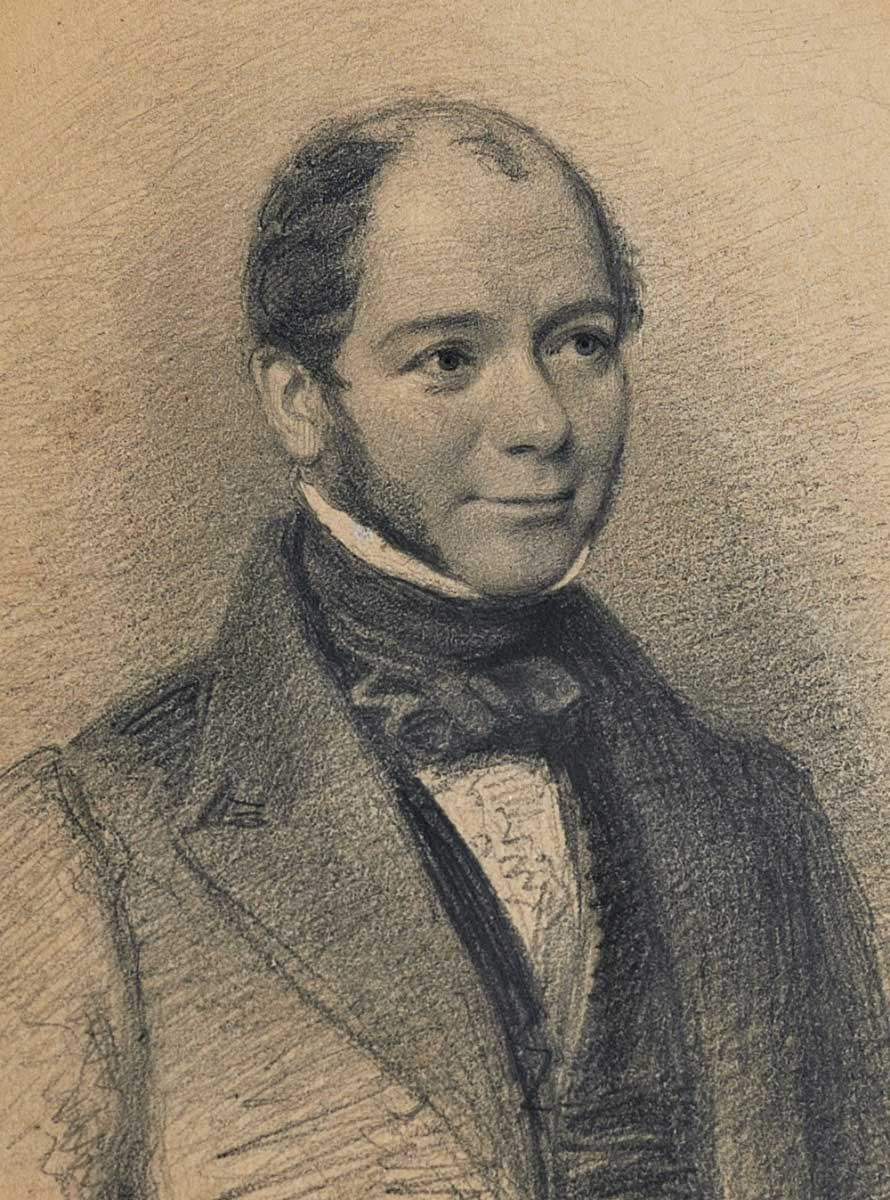
A young Thomas Goode establishes his specialist fine china and glassware business in Mayfair, catering to the needs of the neighbourhood’s wealthy residents
1830's
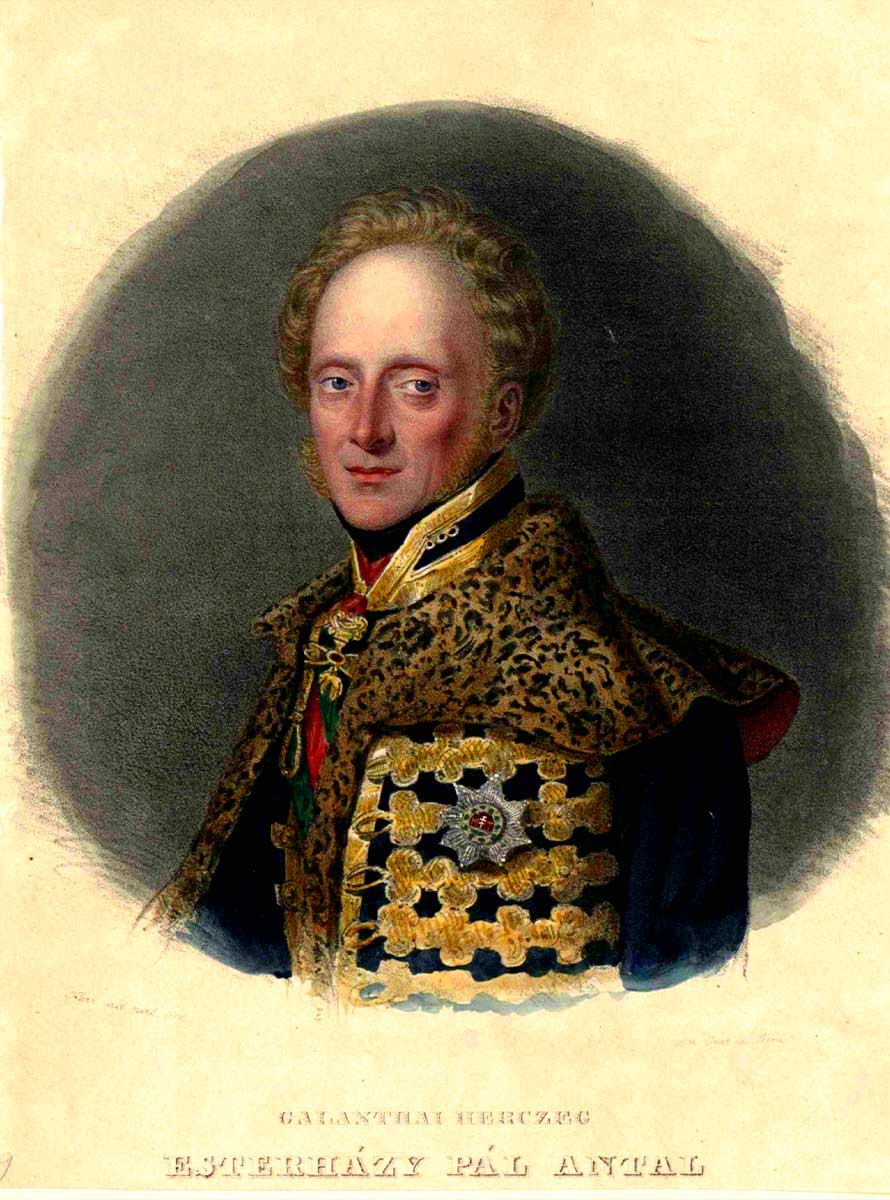
The company’s early clientele was a testament to its exceptional craftsmanship. Among its first distinguished patrons was the Hungarian aristocrat, Paul III Anton, Prince Esterházy. This early association with European nobility solidified the company’s reputation for producing exquisite goods and laid the groundwork for its future royal patronage.
1845
Rapidly expanding, Thomas Goode & Co moves to 19 South Audley Street, Mayfair, the address now synonymous with luxury retail. Thomas’s son William joins the business and soon begins producing bespoke dinner services decorated with the crests of aristocratic families.
1858
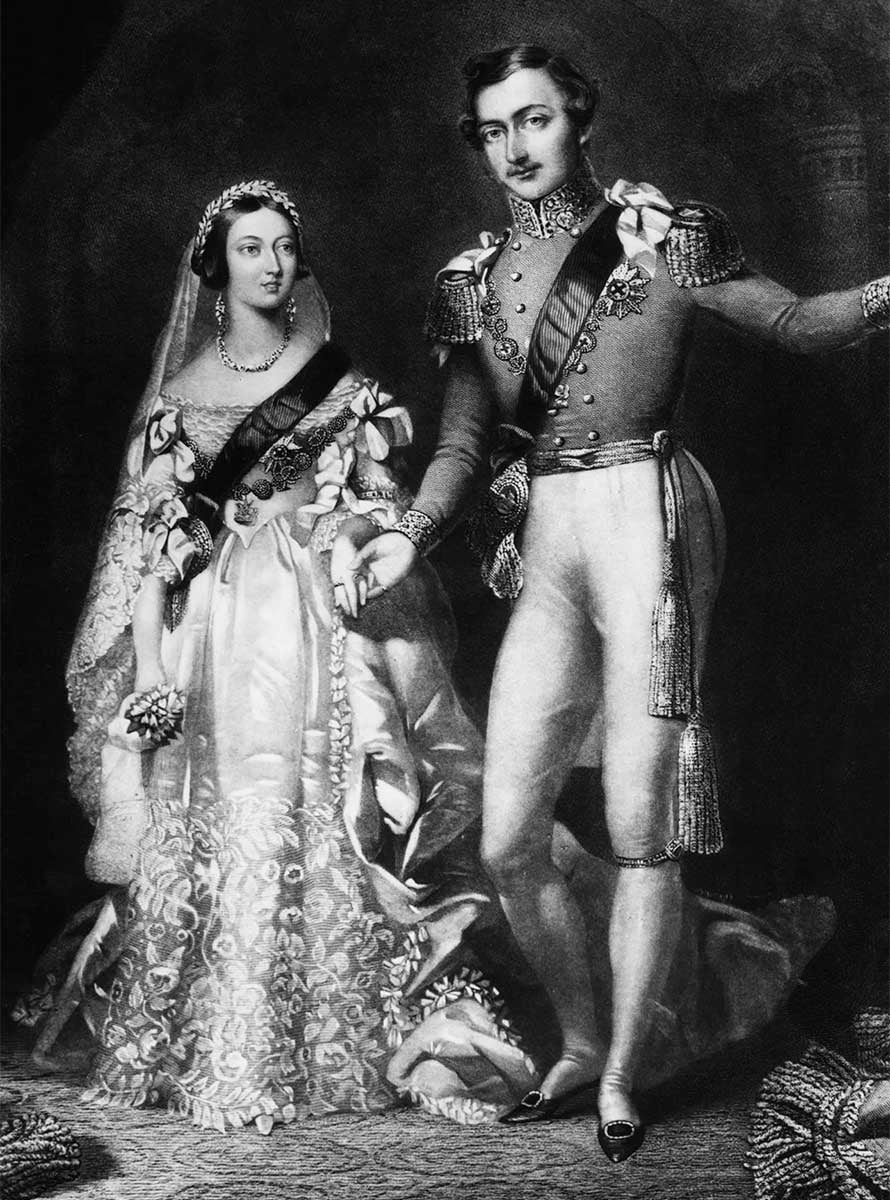
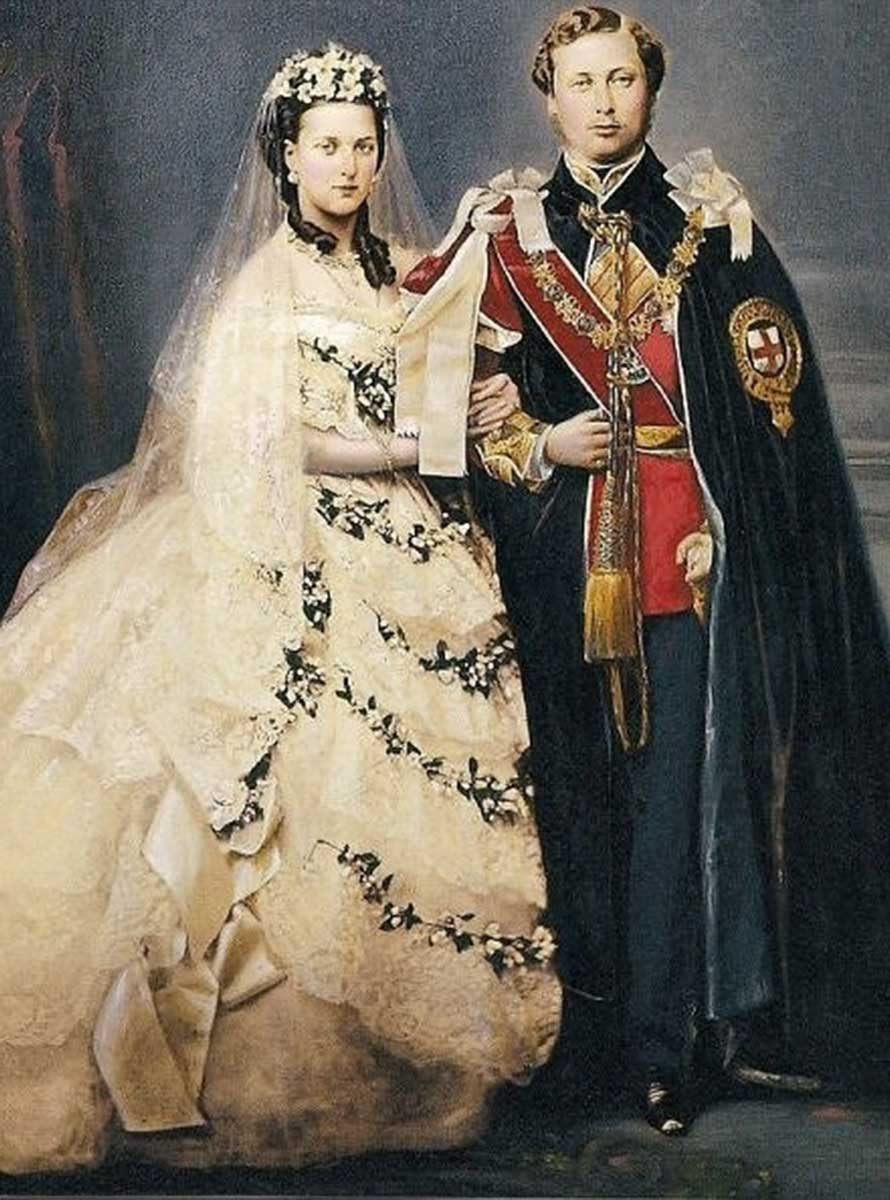
With an already enviable reputation in European high society the company received its first order from Queen Victoria, followed in 1863 by its first royal warrant as suppliers of china and glass to the Prince of Wales.
1863
The South Audley Street showroom is redesigned by the most sought-after architects of the day, Ernest George & Harold Peto, creating one of the world’s most remarkable retail spaces. Thomas never lived to see it, passing five years earlier aged 75.
1878
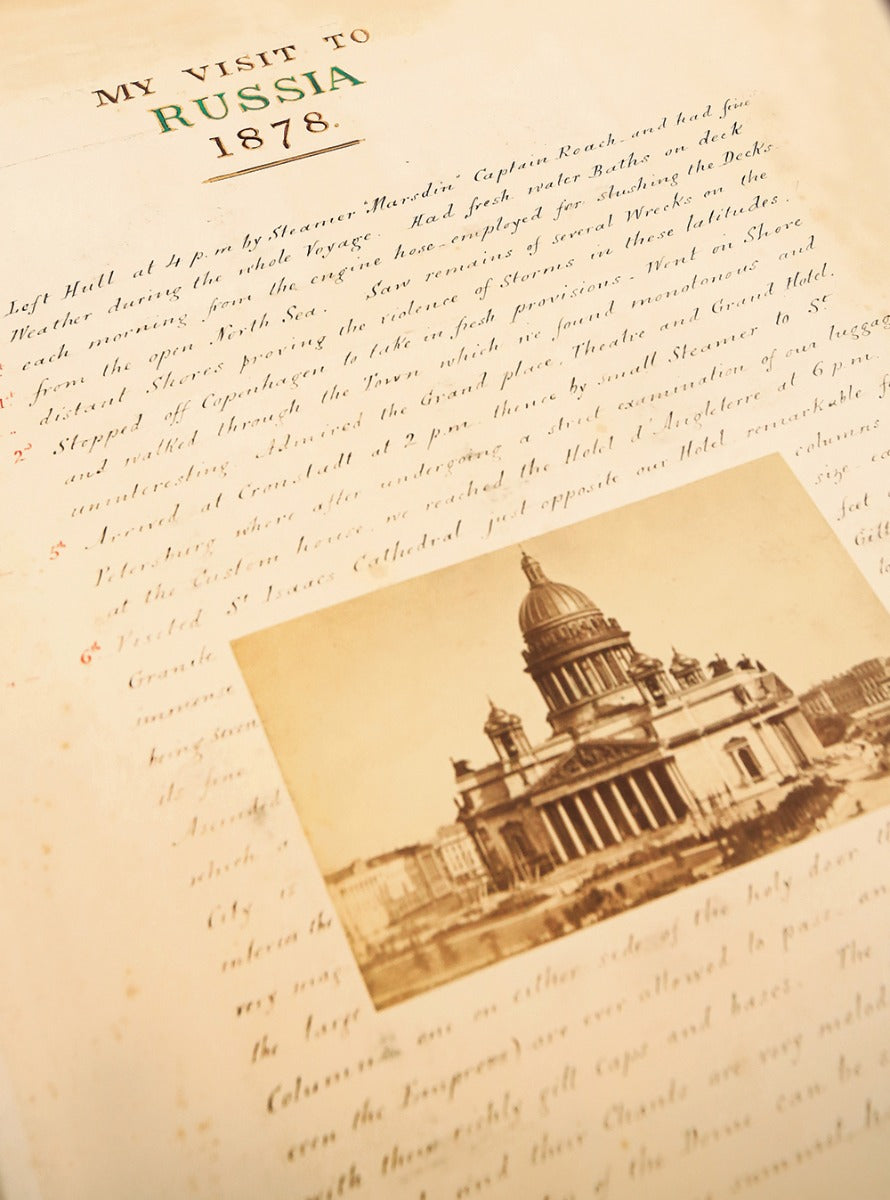
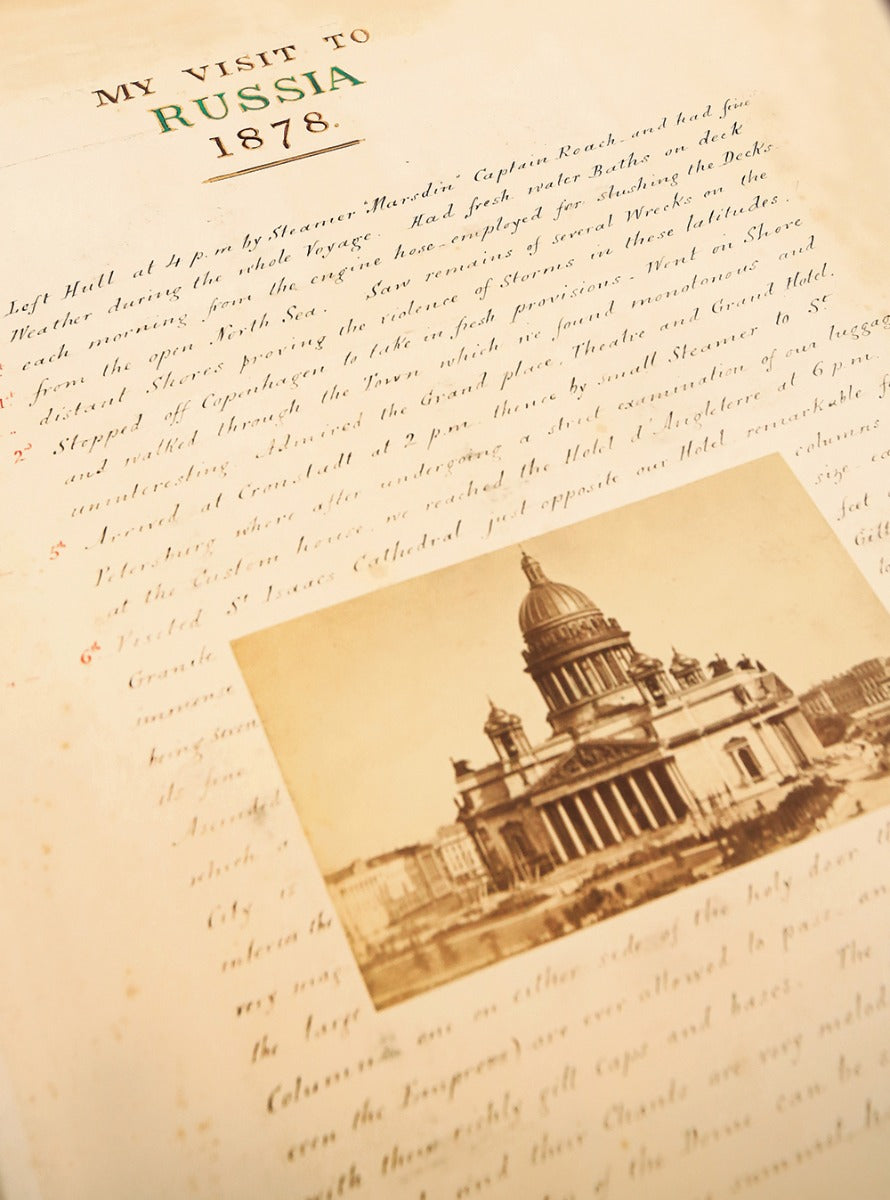
William Goode is granted a rare audience with the Tsarina of Russia during a month-long mission to expand the company’s international clientele. The Russian court responds with its first order (and later with a prestigious imperial warrant following a commission to make a replica Catherine the Great dinner service).
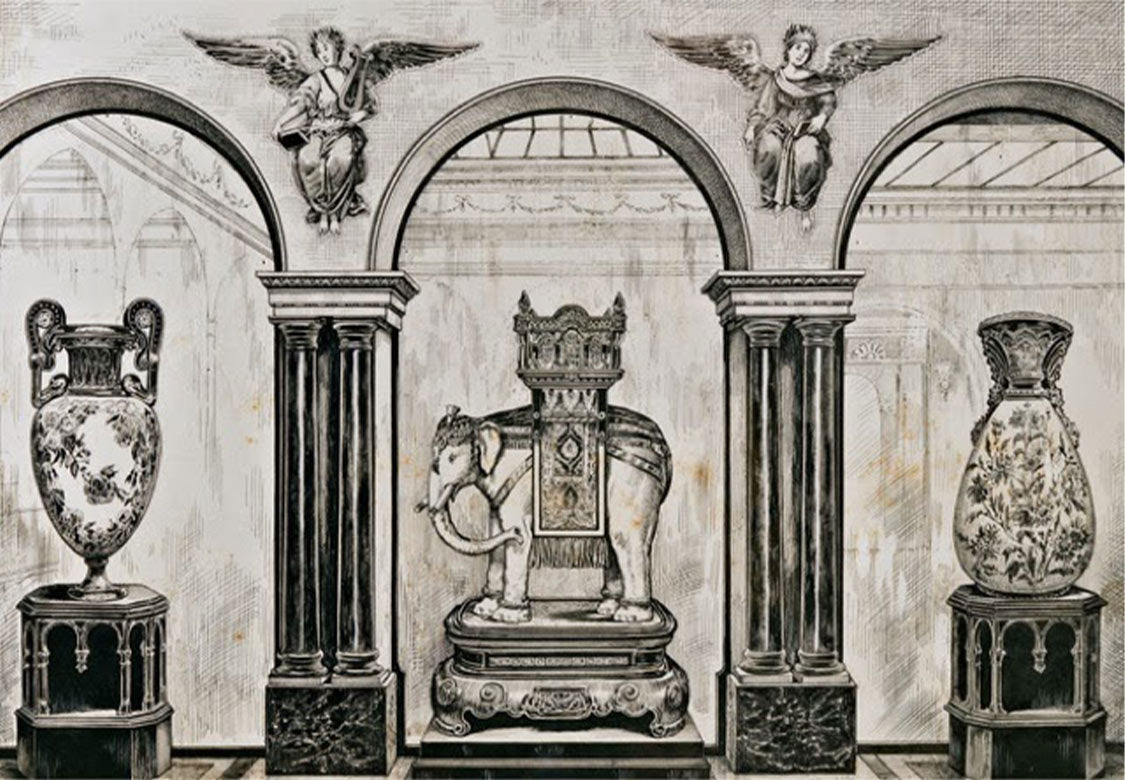
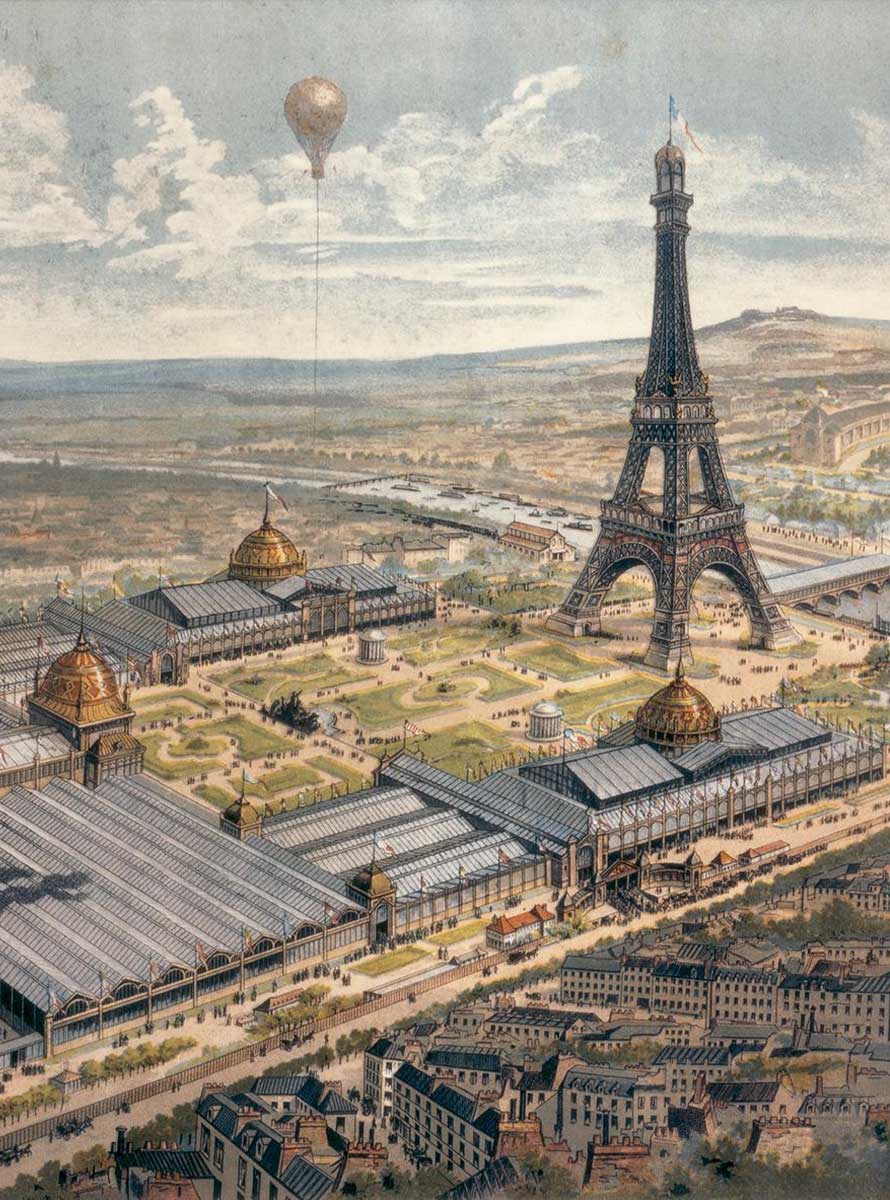
Later that same year, Thomas Goode & Co exhibits at the Paris Exposition with its own stand - something of a coup for an independent business. Two specially commissioned, seven-foot-tall Majolica elephants make it an unmissable spectacle (they have guarded the South Audley Street storefront ever since).
1879
Thomas Goode's global recognition began to flourish in the late 19th century. The company first showcased its wares at the 1879 Paris World Fair as part of the esteemed Minton company display. This provided a platform to introduce their exquisite products to an international audience. Recognizing the increasing prominence of their brand, Thomas Goode secured an independent stand at the subsequent Paris Exposition in 1889. This marked a significant milestone as the company stepped into the limelight as a standalone luxury retailer. To commemorate this pivotal event, the iconic china elephants were commissioned, becoming emblematic of the company's artistic prowess and innovative spirit.
1922
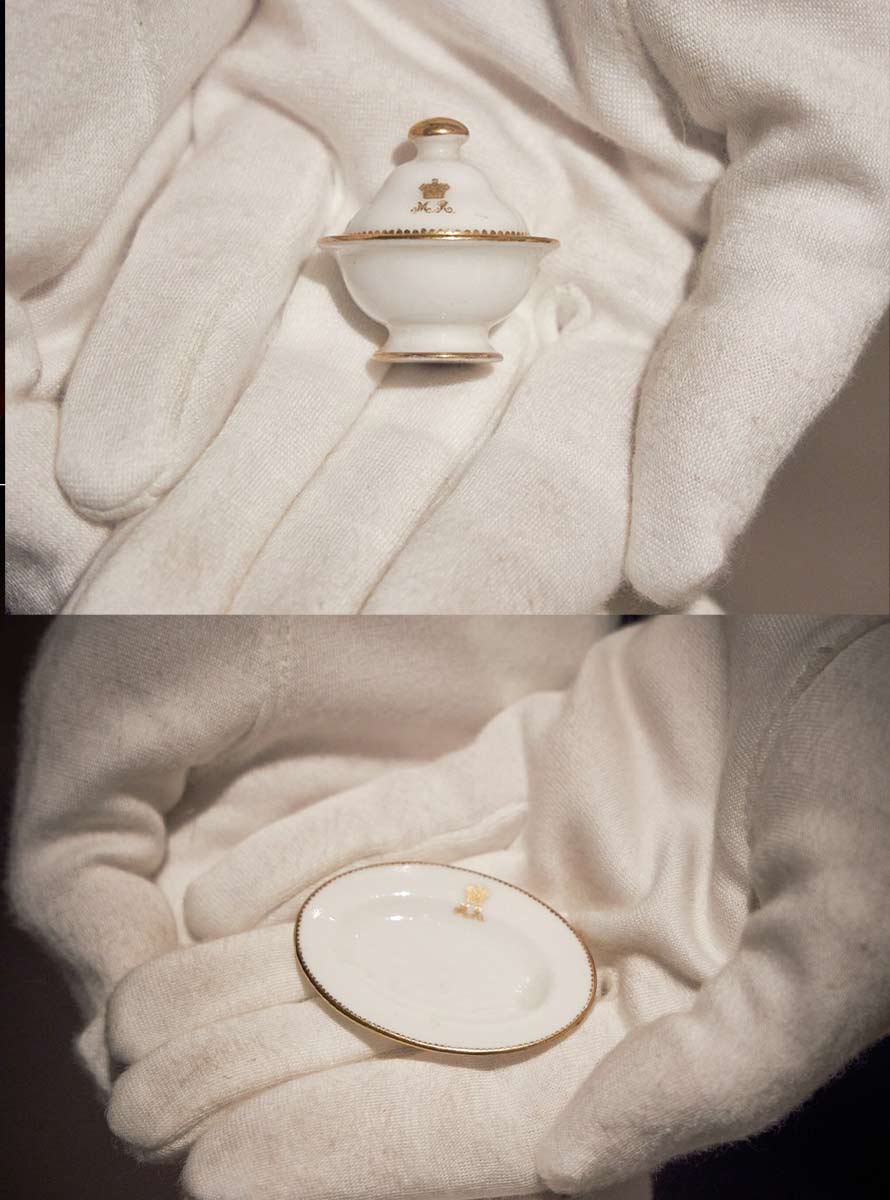
King George commissions the house to create miniature porcelain tableware for Queen Mary’s doll’s house, the largest and most famous in the world, at Windsor Castle - every one of the 76 tiny pieces scaled to perfection.
1939
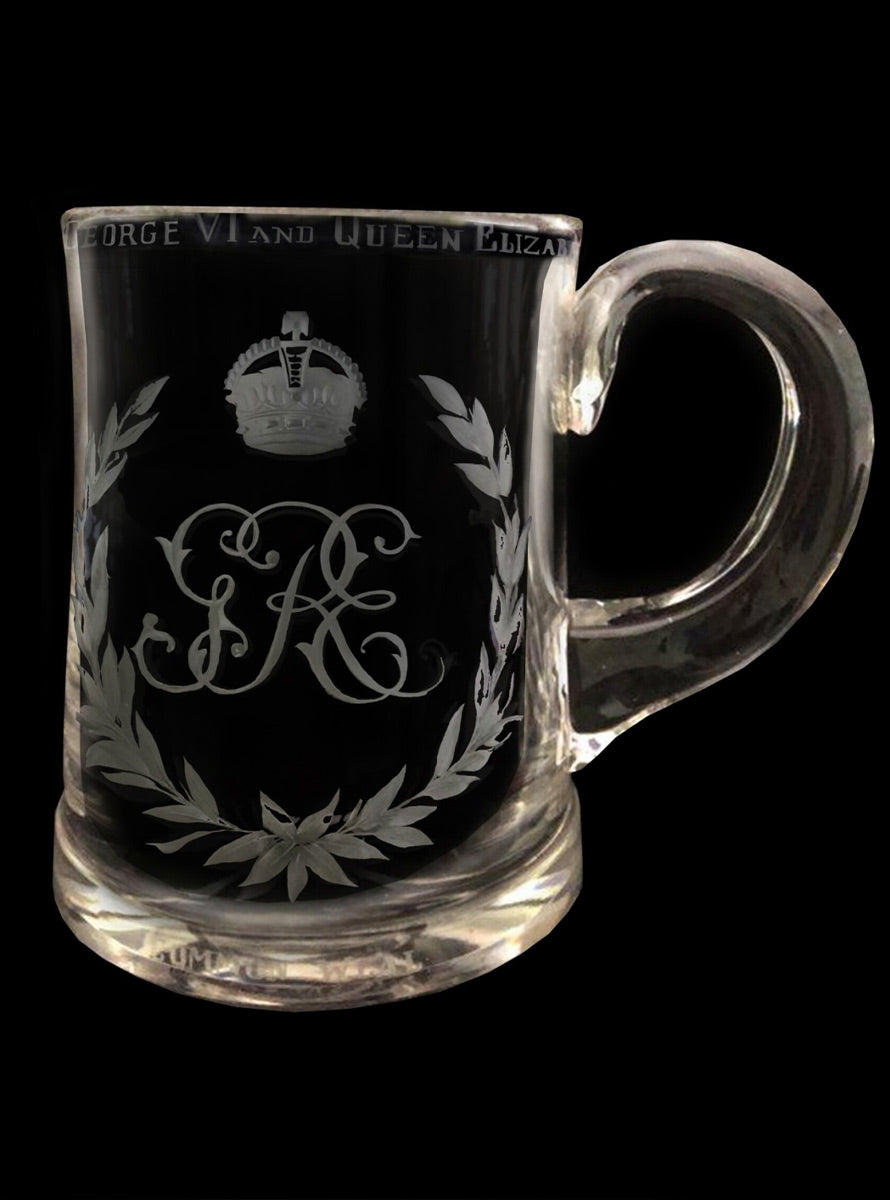
An engraved glass tankard commemorating King George VI and Queen Elizabeth's visit to America on the Royal Tour of North America. George became first reigning monarch to ever visit the United States: an important event for marking the beginning of the "special relationship". This object commemorates a key moment Britain's history, when Churchill appealed to the United States for their support as the dark war clouds gathered over Western Europe. The strong sentiment that exists between the British monarchy and their popularity that continues to the present.
1981
Tell your brand's story through images.