Herend Apponyi Porcelain | Hand-Painted Tableware & Tea Sets with 24K Gold
The Herend Apponyi collection at Thomas Goode India is the most complete single-pattern luxury tableware range available at the brand's New Delhi boutique. It is also one of the most historically significant: the Apponyi pattern has been in continuous production at the Herend manufactory in Hungary since the mid-19th century, making it one of the oldest continuously produced decorative porcelain patterns available anywhere in the world today.
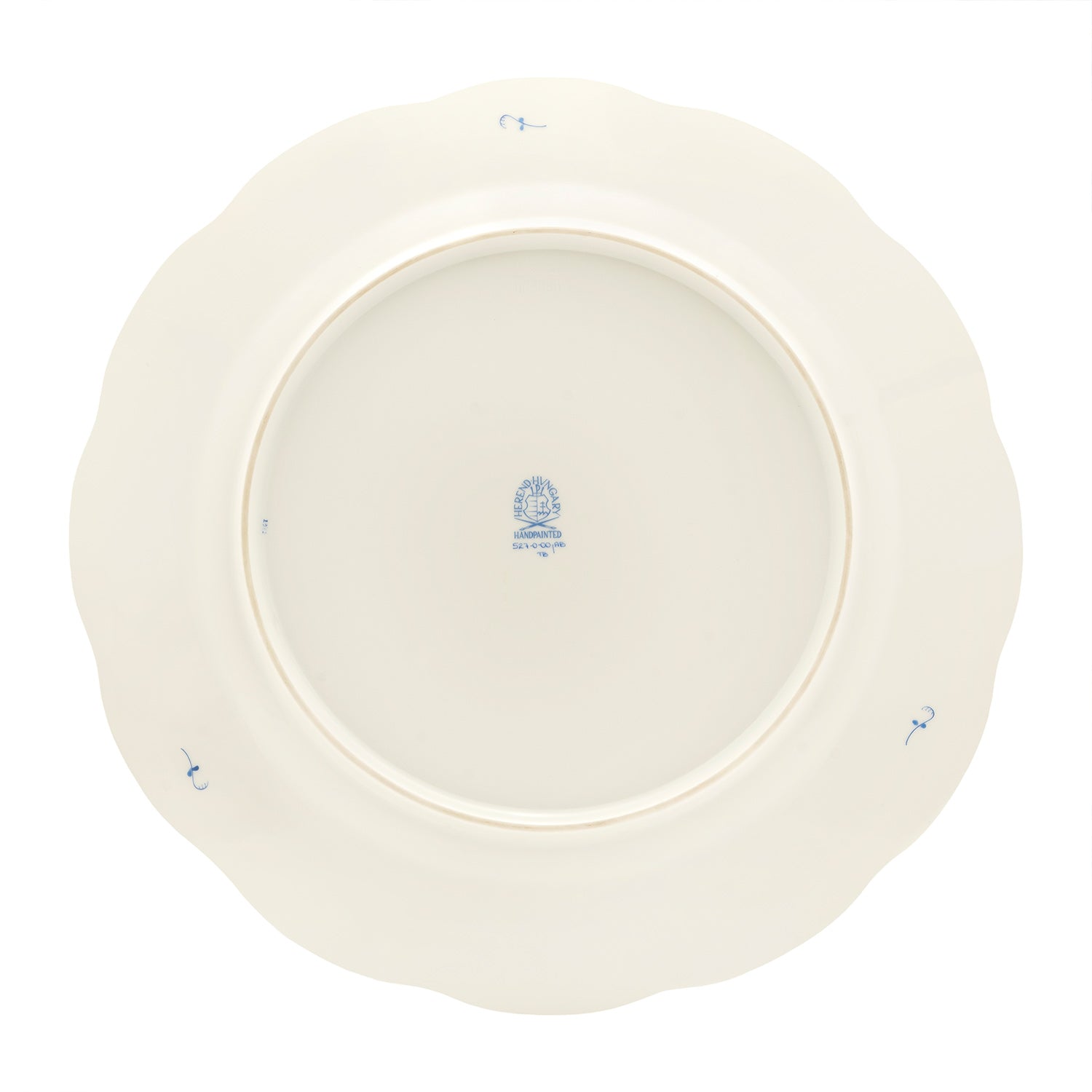
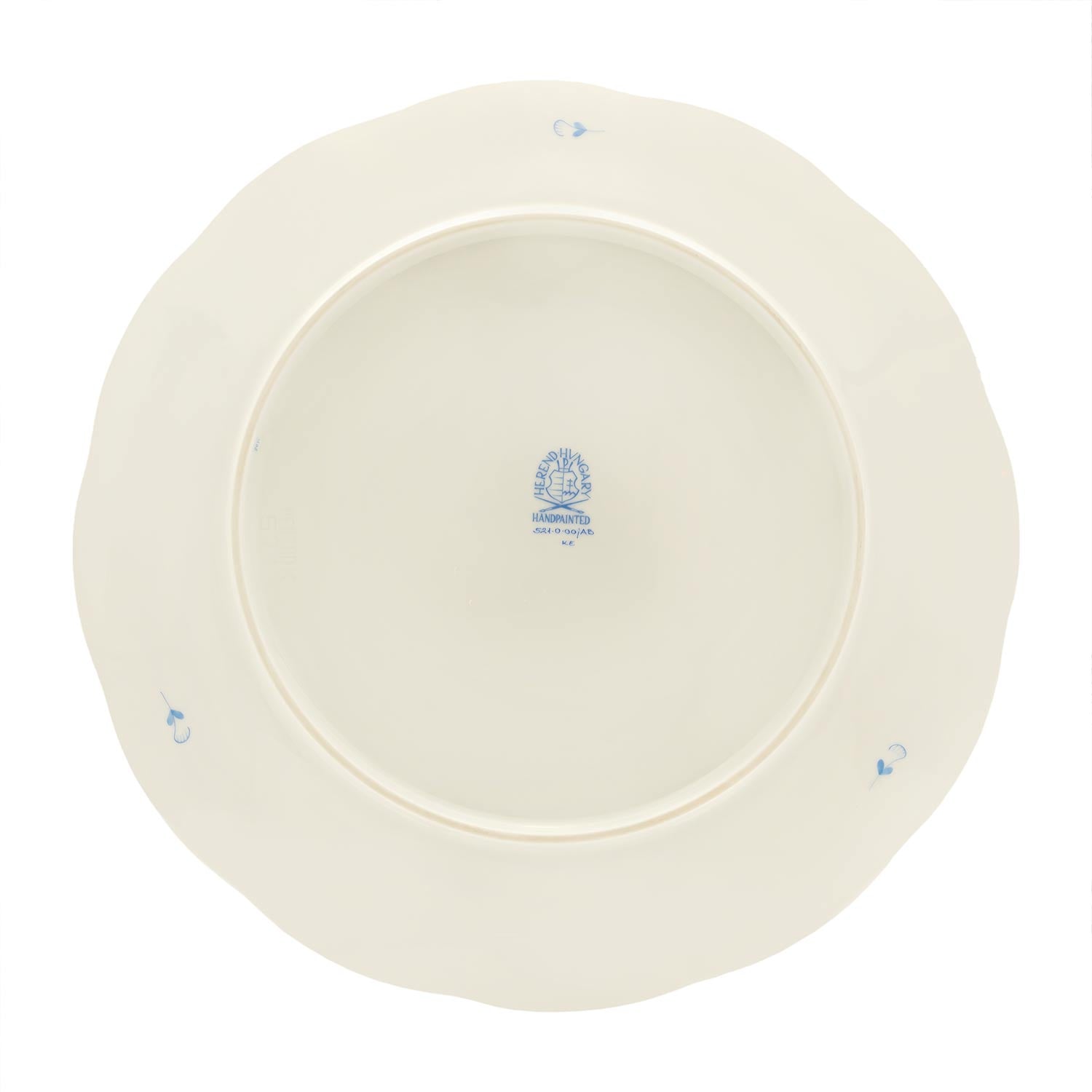
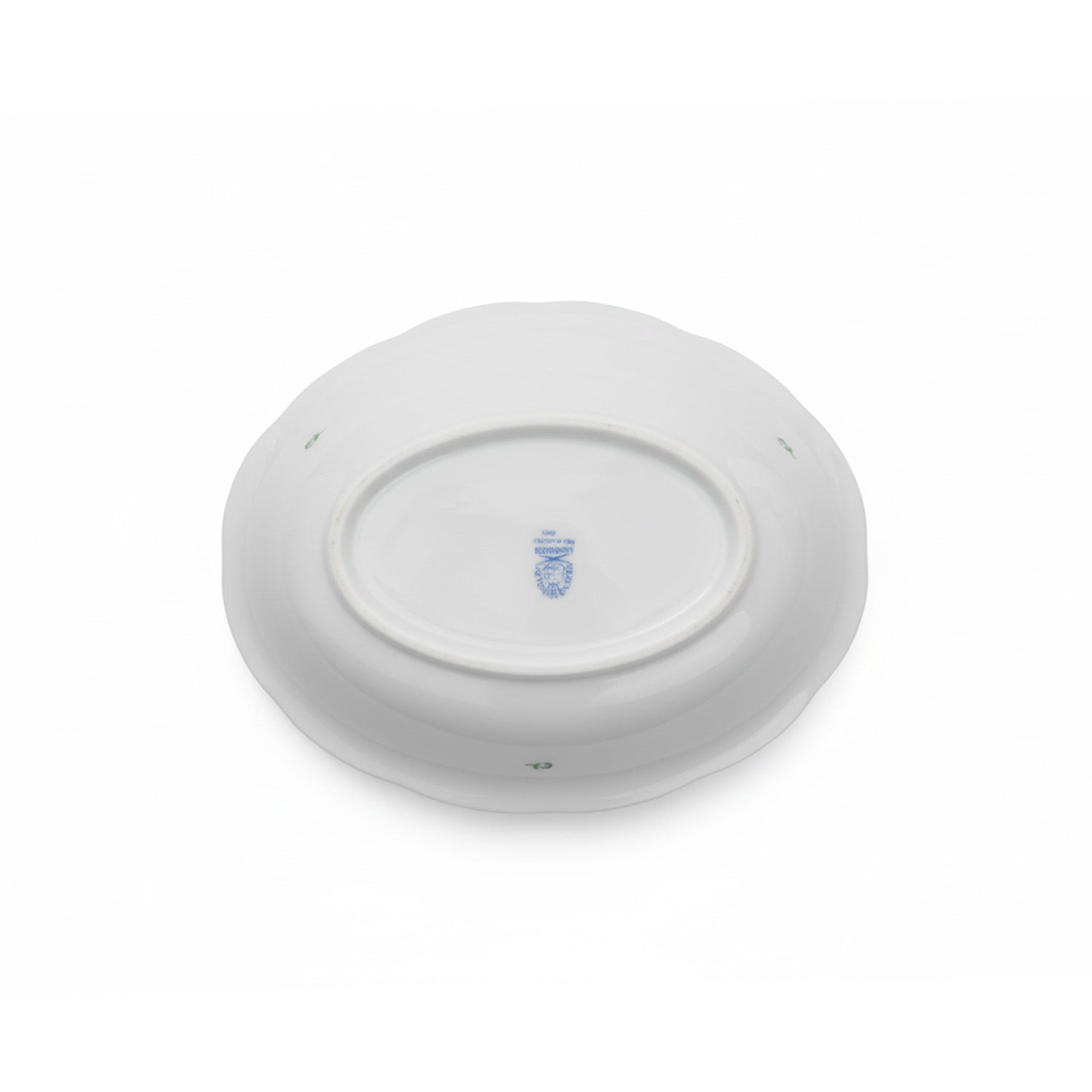
The collection spans three colourways — Apponyi Blue, Apponyi Rust, and Apponyi Green — and covers every tableware and decorative format needed for a formally complete service: dinner plates, lunch plates, side plates, dessert plates, bread and butter plates, soup and dessert bowls, katori bowls, serving bowls, an oval platter, a vegetable covered dish, a sauce boat, tea cups and saucers, coffee cups and saucers, 15-piece complete tea sets, vases, and an egg-shaped bonbonnière. Every piece is hand-painted at the Herend manufactory in Hungary with 24K gold applied and fired separately.
Thomas Goode India is an authorised Herend retailer in India, and the Apponyi collection at The Oberoi Hotel, New Delhi is one of the most comprehensively stocked Apponyi presentations available on the Indian subcontinent.
About the Apponyi Pattern
The Apponyi pattern — known within Herend's internal nomenclature as the "Chinese Bouquet" — is a dense, richly layered botanical and floral composition with roots in the decorative traditions of East Asian export porcelain. When European porcelain manufacturers began producing hand-painted tableware in the 18th century, Chinese and Japanese decorative motifs were among the most coveted design sources: the European courts of the period were deeply influenced by Chinoiserie, and the dense floral arrangements, stylised botanical forms, and rich colour grounds of East Asian porcelain became touchstones for European makers.
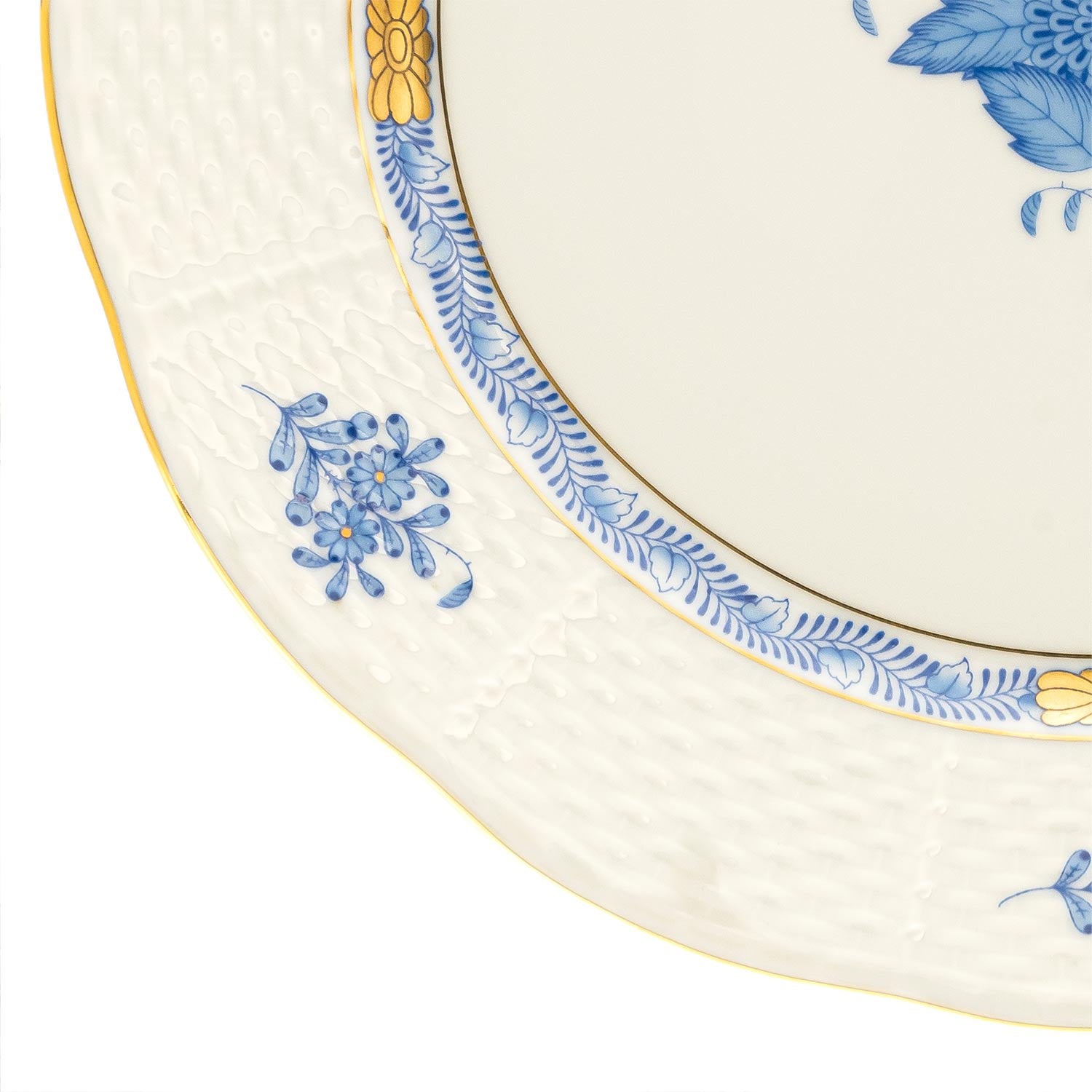
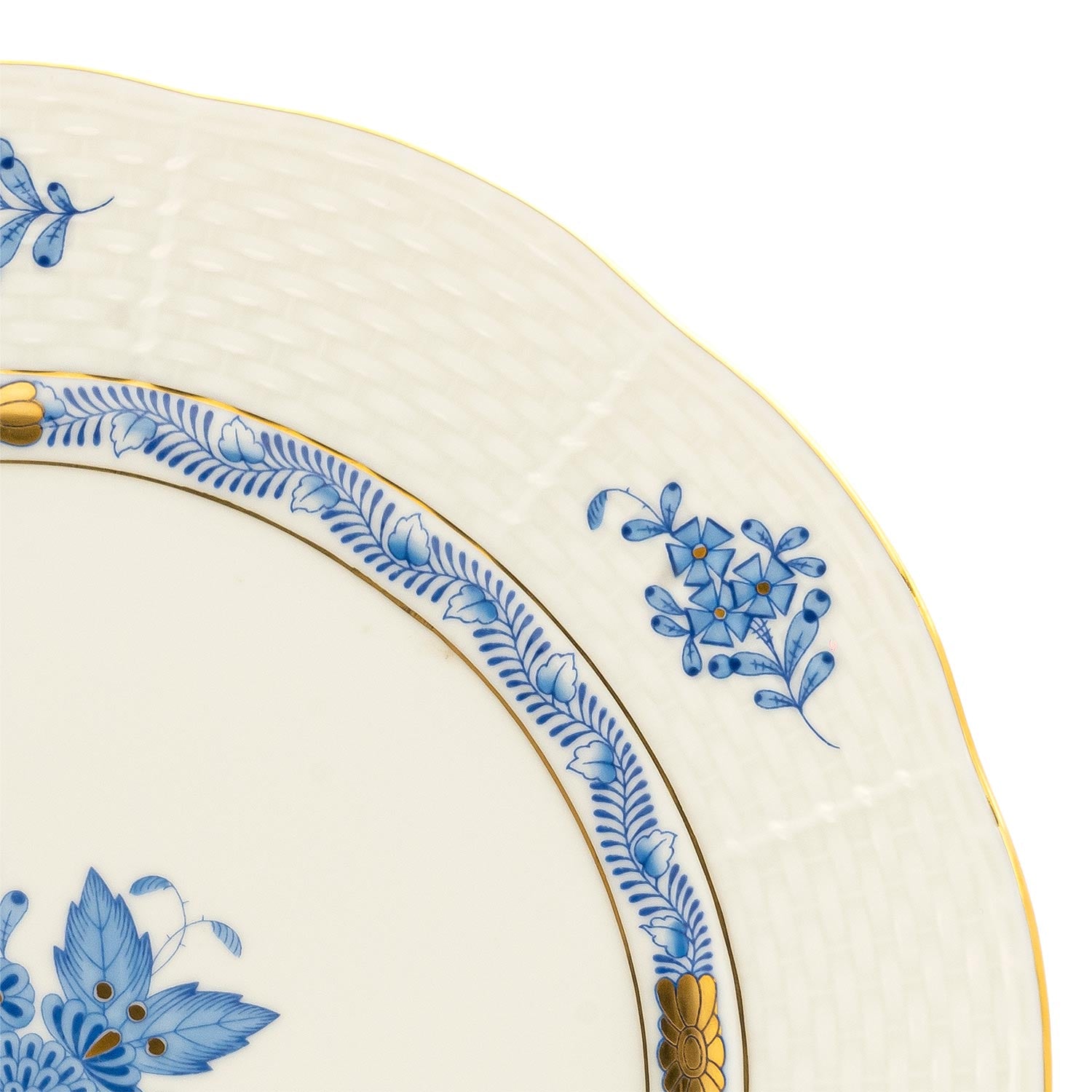
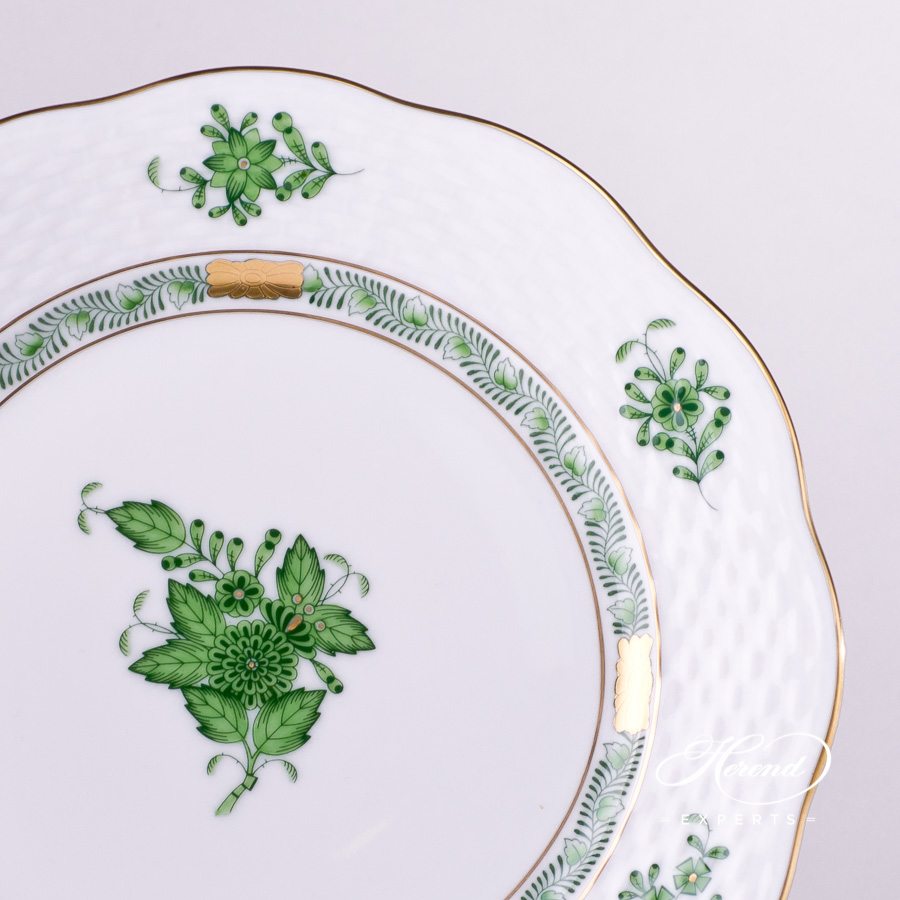
At Herend, this influence was adapted and refined through decades of production into what became the Apponyi pattern: a composition of tightly painted botanical sprays, flower heads, and foliage arranged in a disciplined but not rigid repeating structure across the full surface of each piece, with insects and small animals appearing among the flowers in the tradition of the finest naturalistic European botanical illustration. The pattern is named after the Hungarian Apponyi family — a distinguished Hungarian aristocratic house of the 19th century whose members were significant patrons of the arts — whose commission helped establish the design in Herend's production repertoire.
The pattern is produced at Herend in three principal colourways that each produce a fundamentally different visual register while maintaining the same botanical composition.
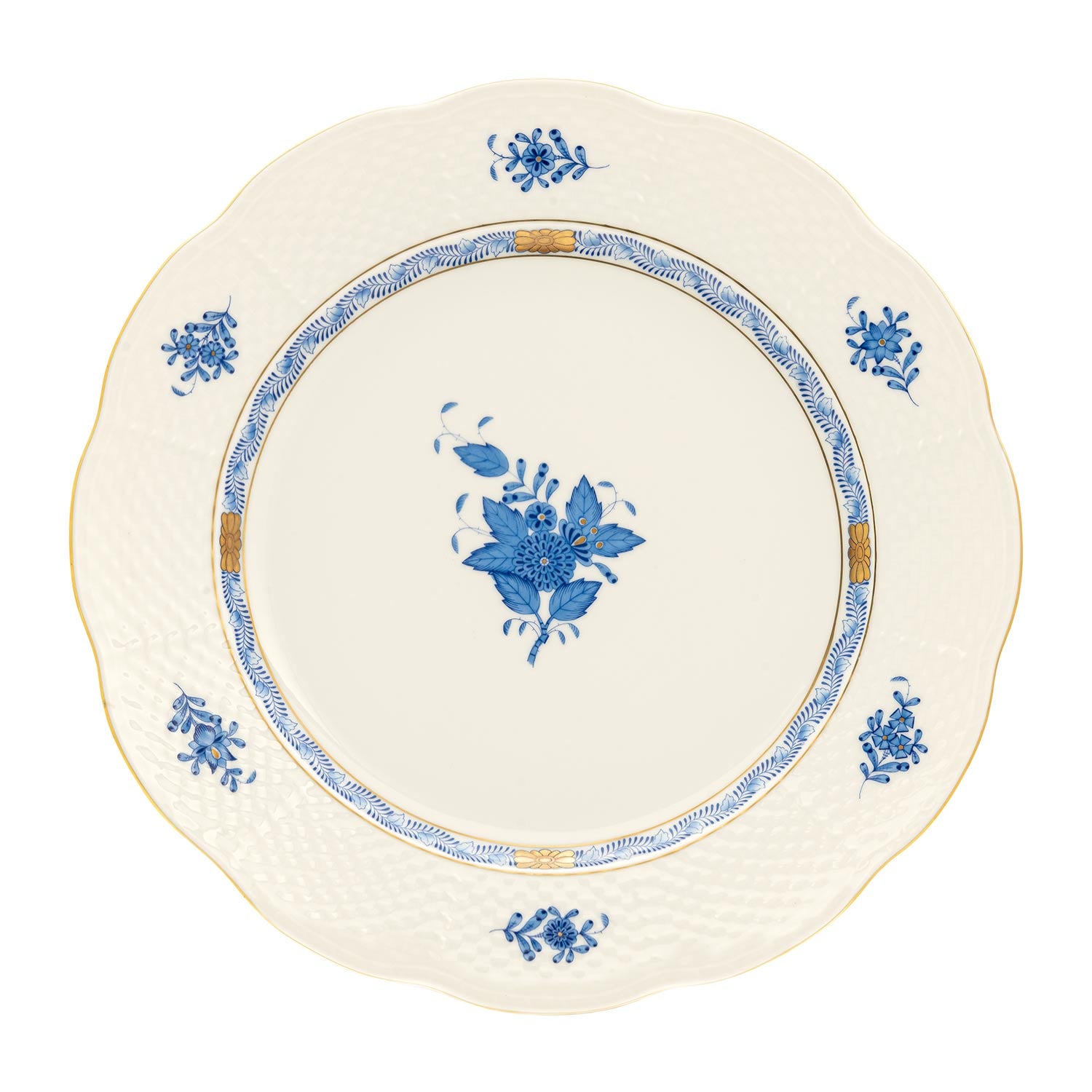
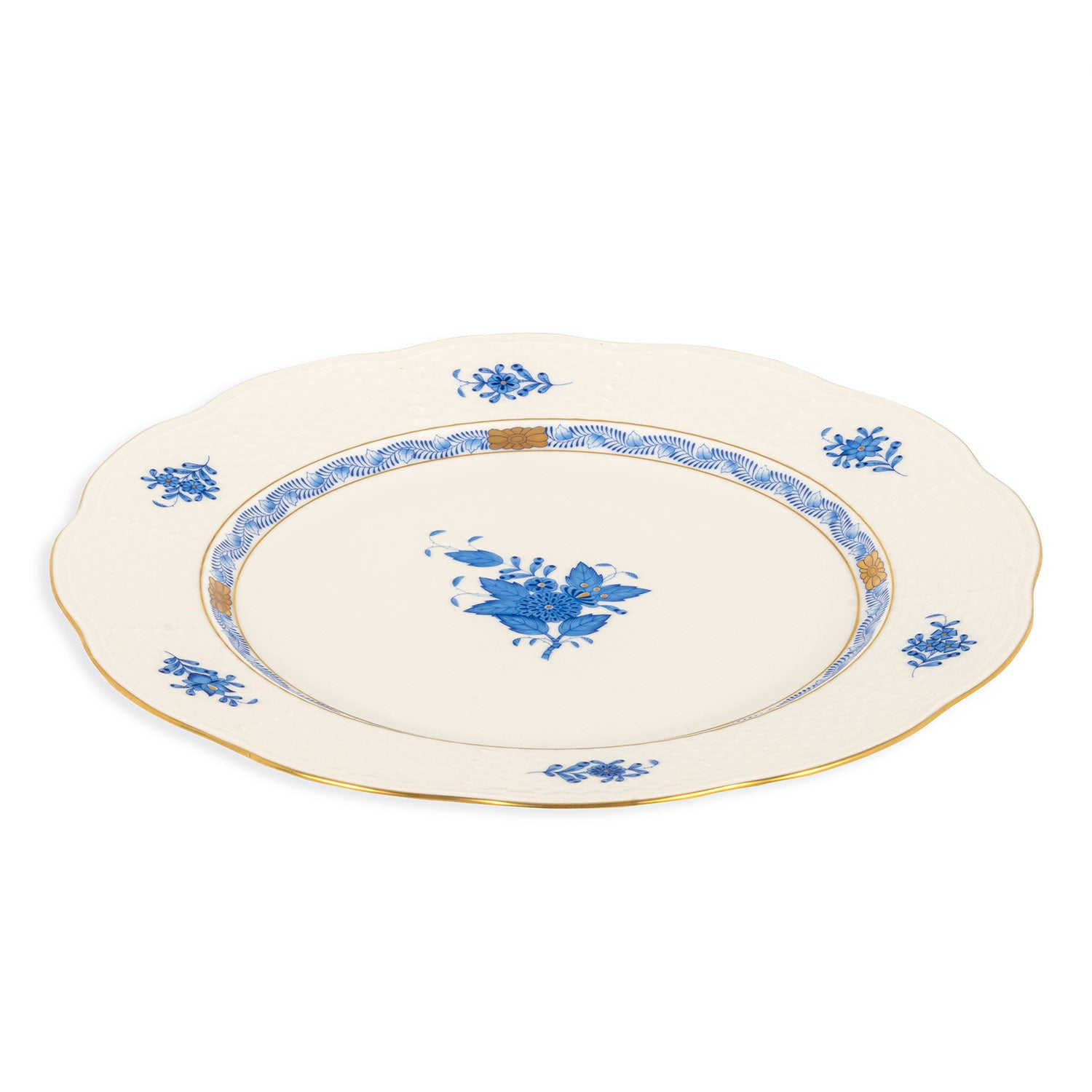
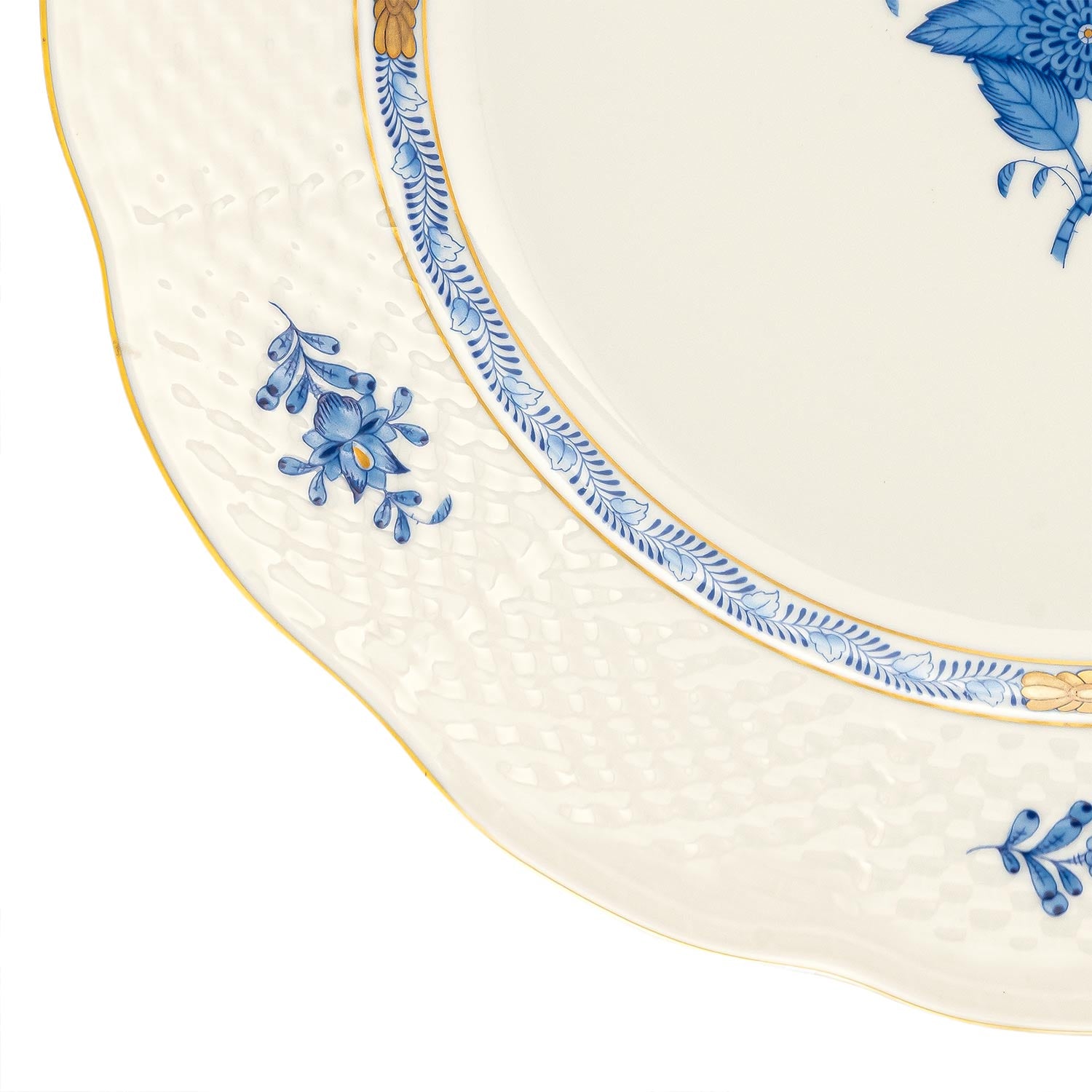
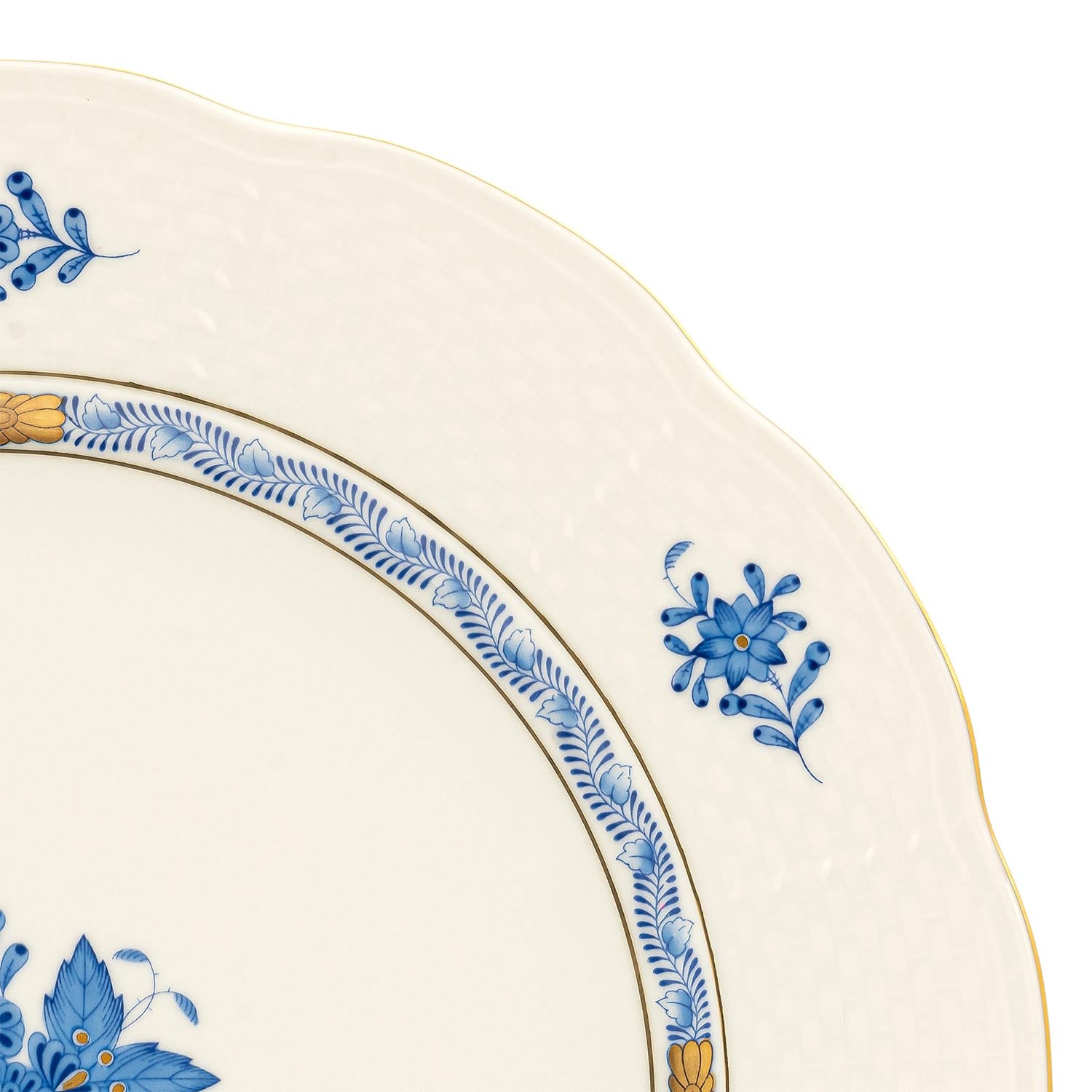
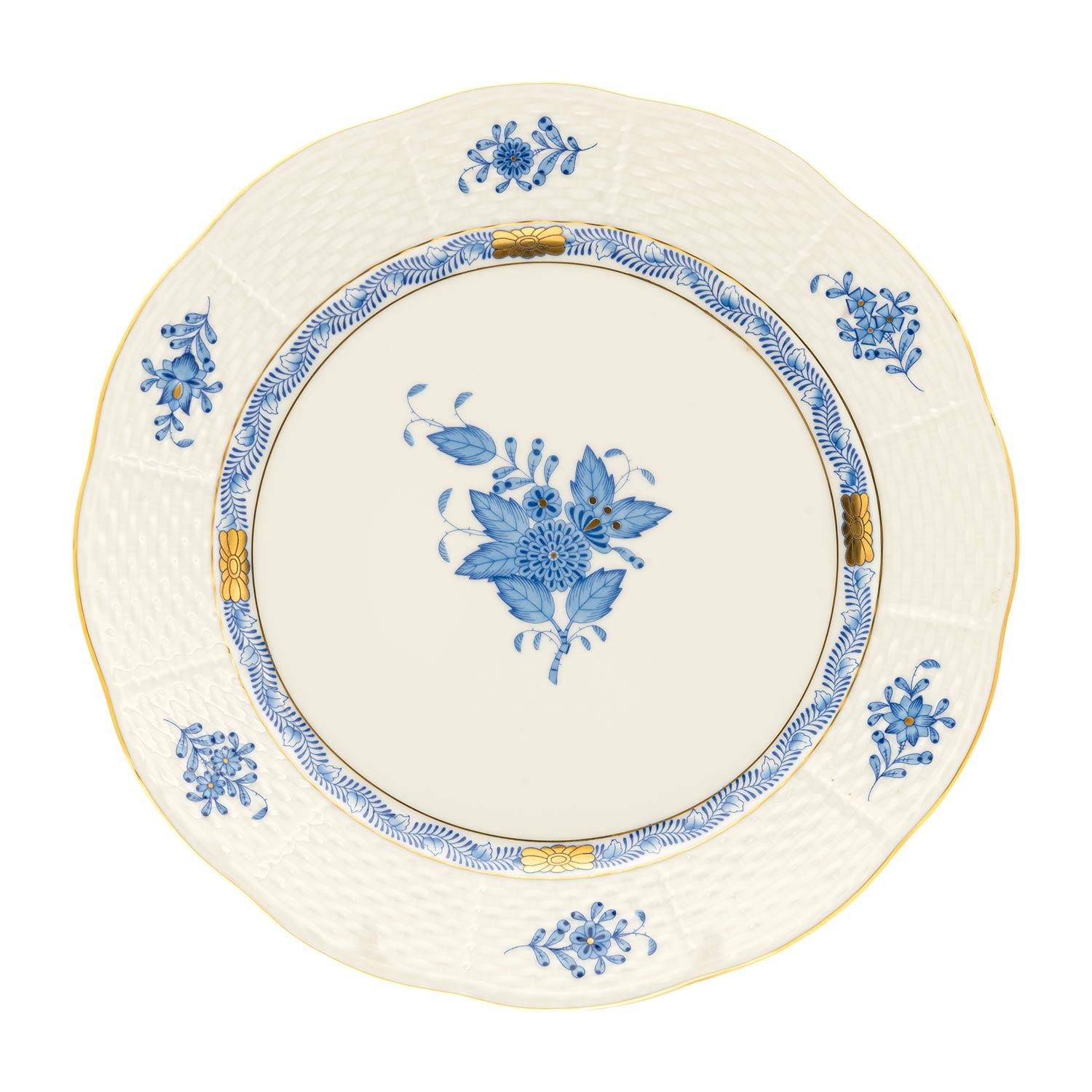
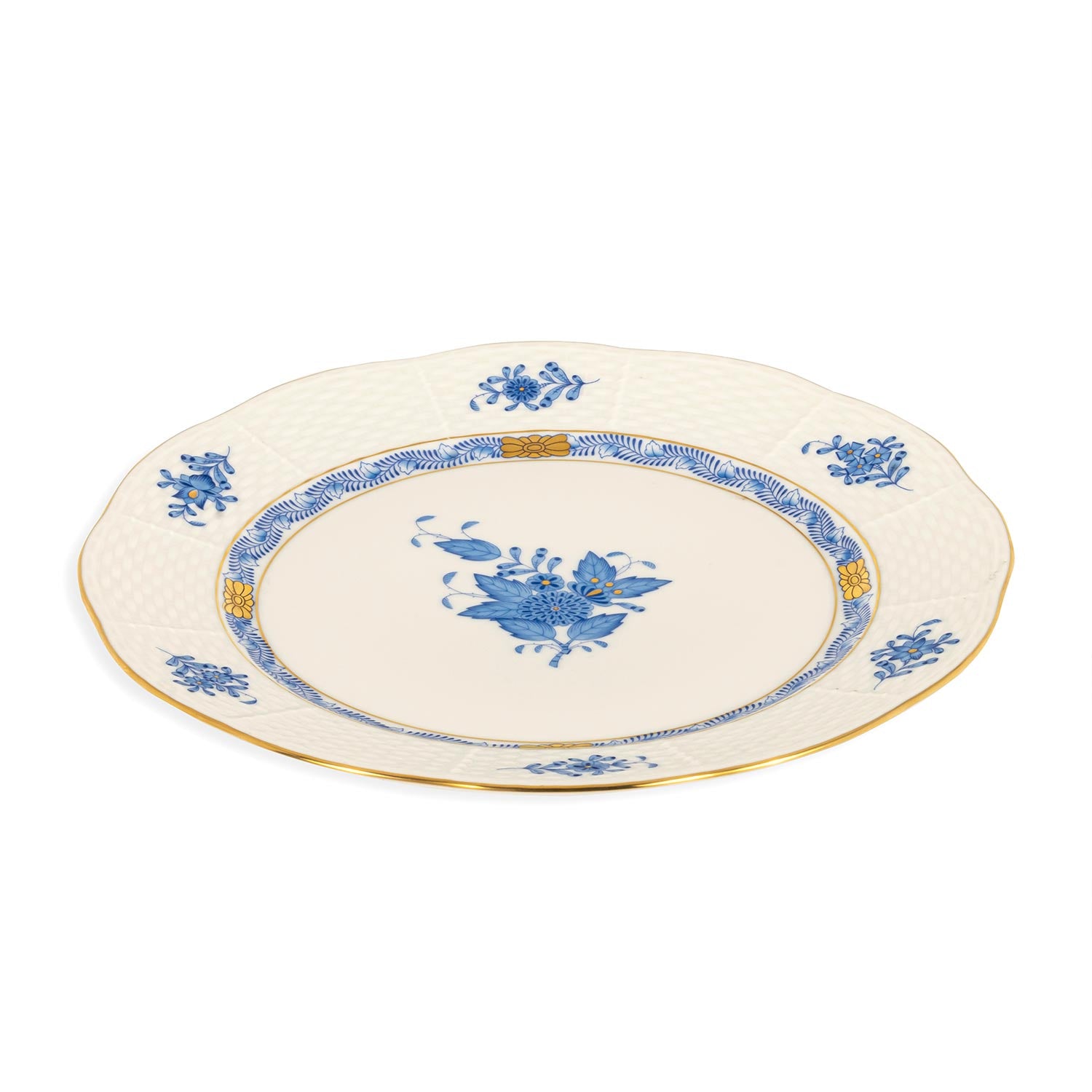
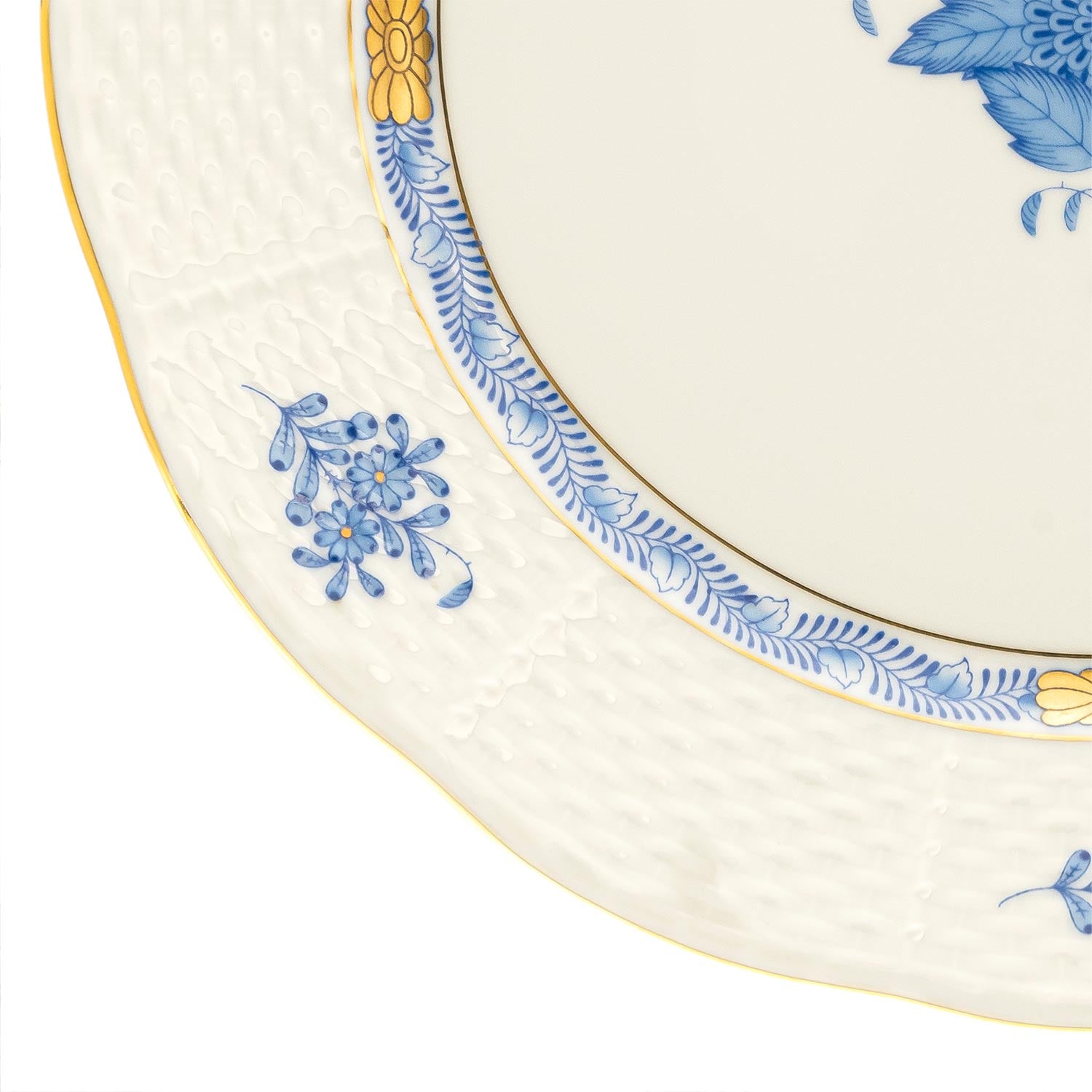
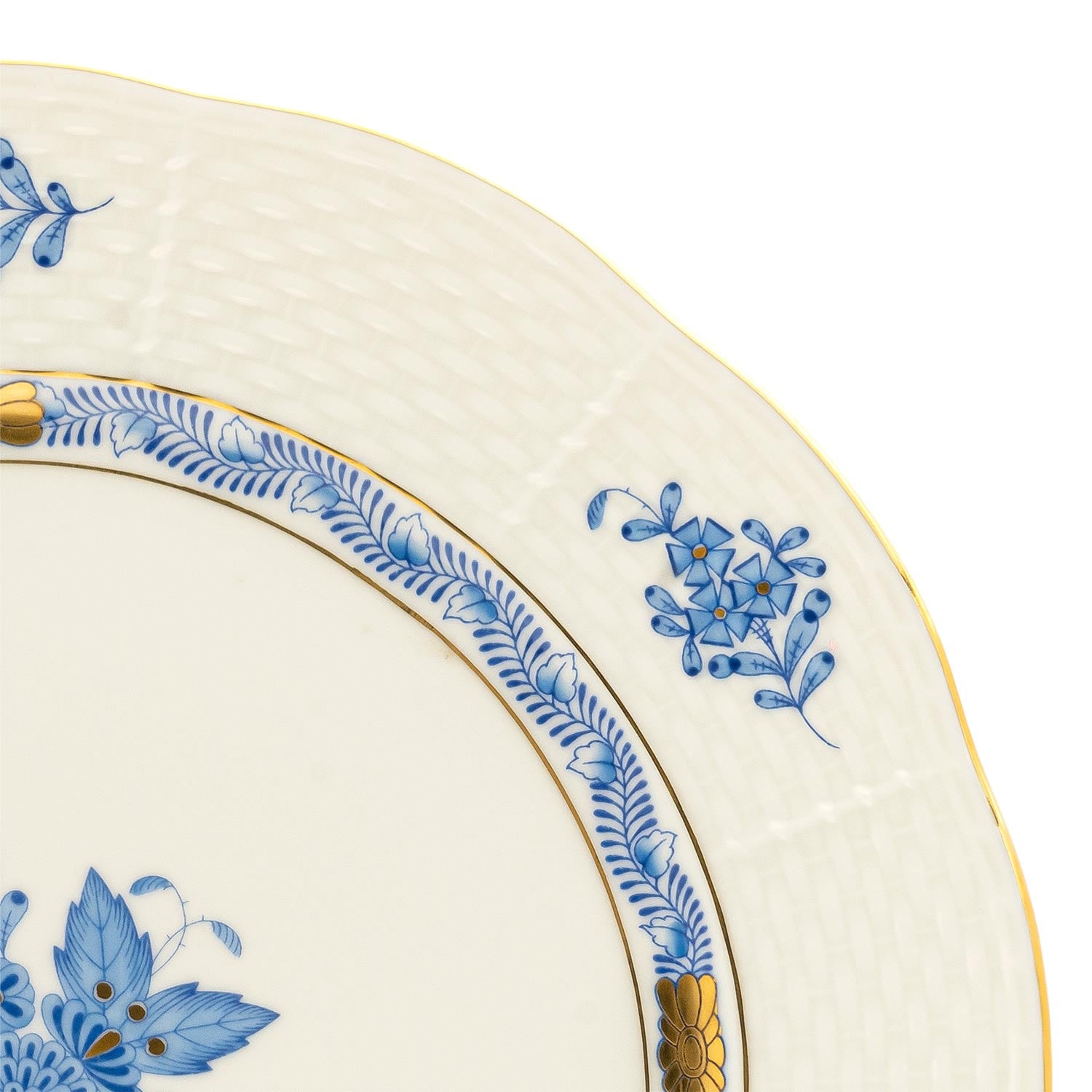
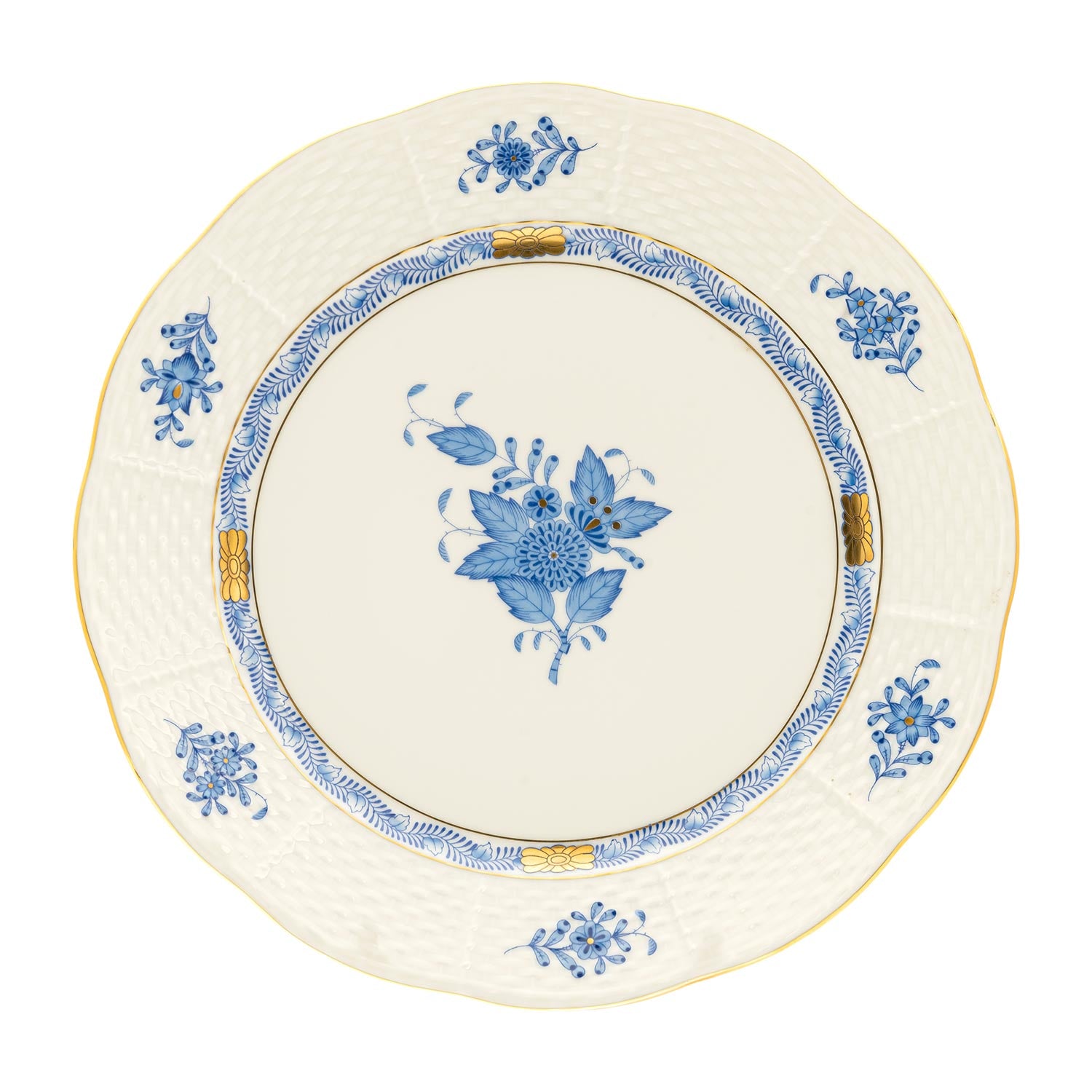
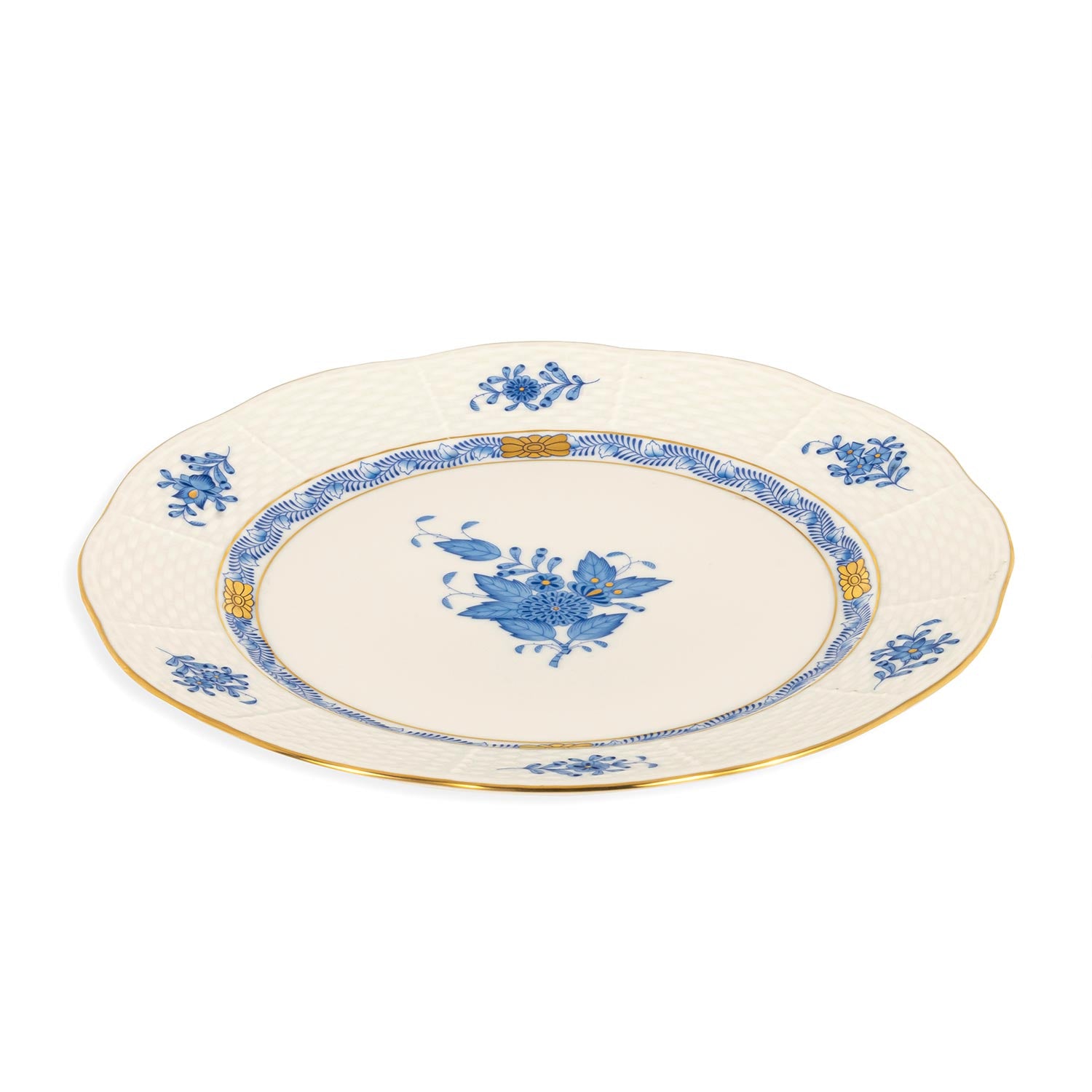
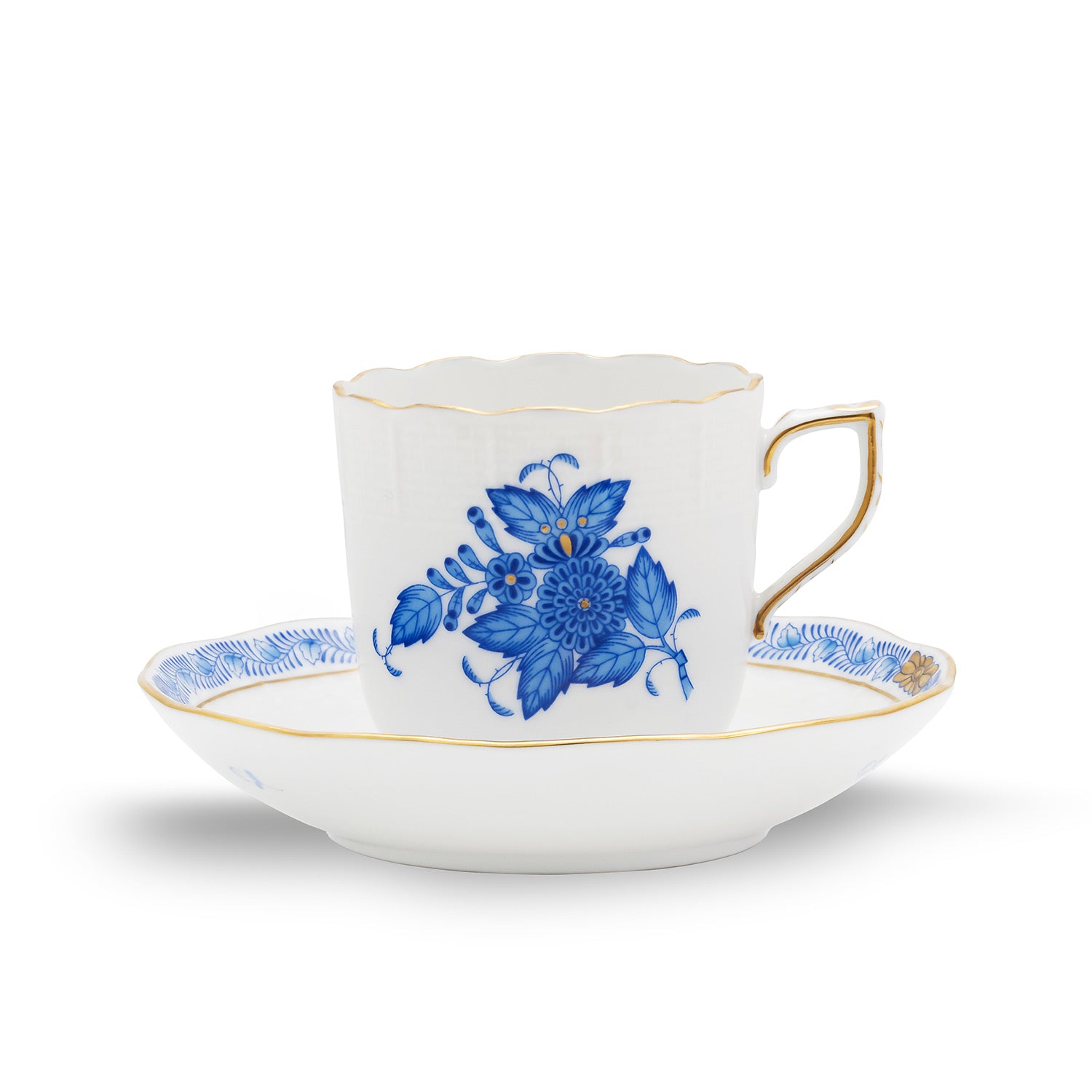
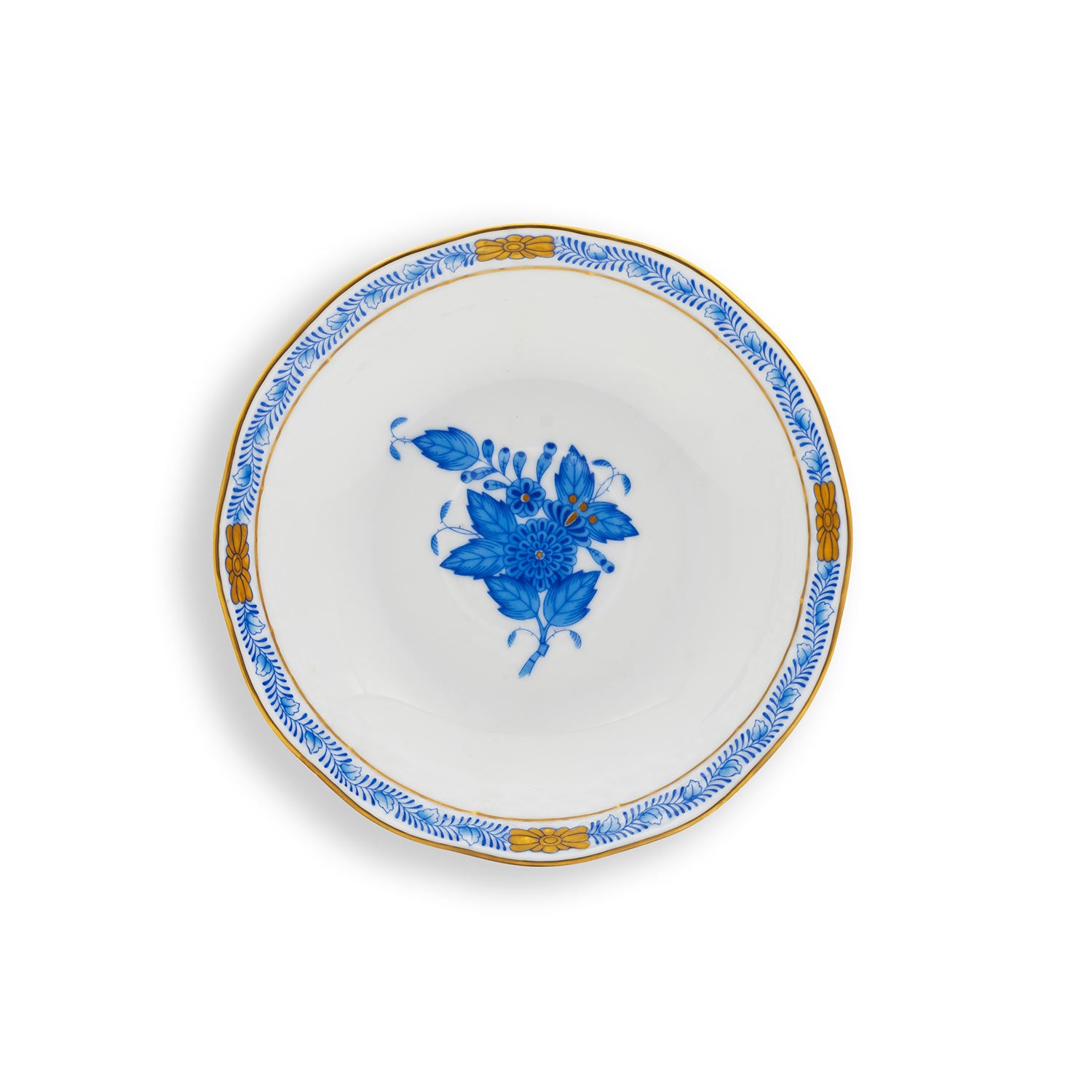
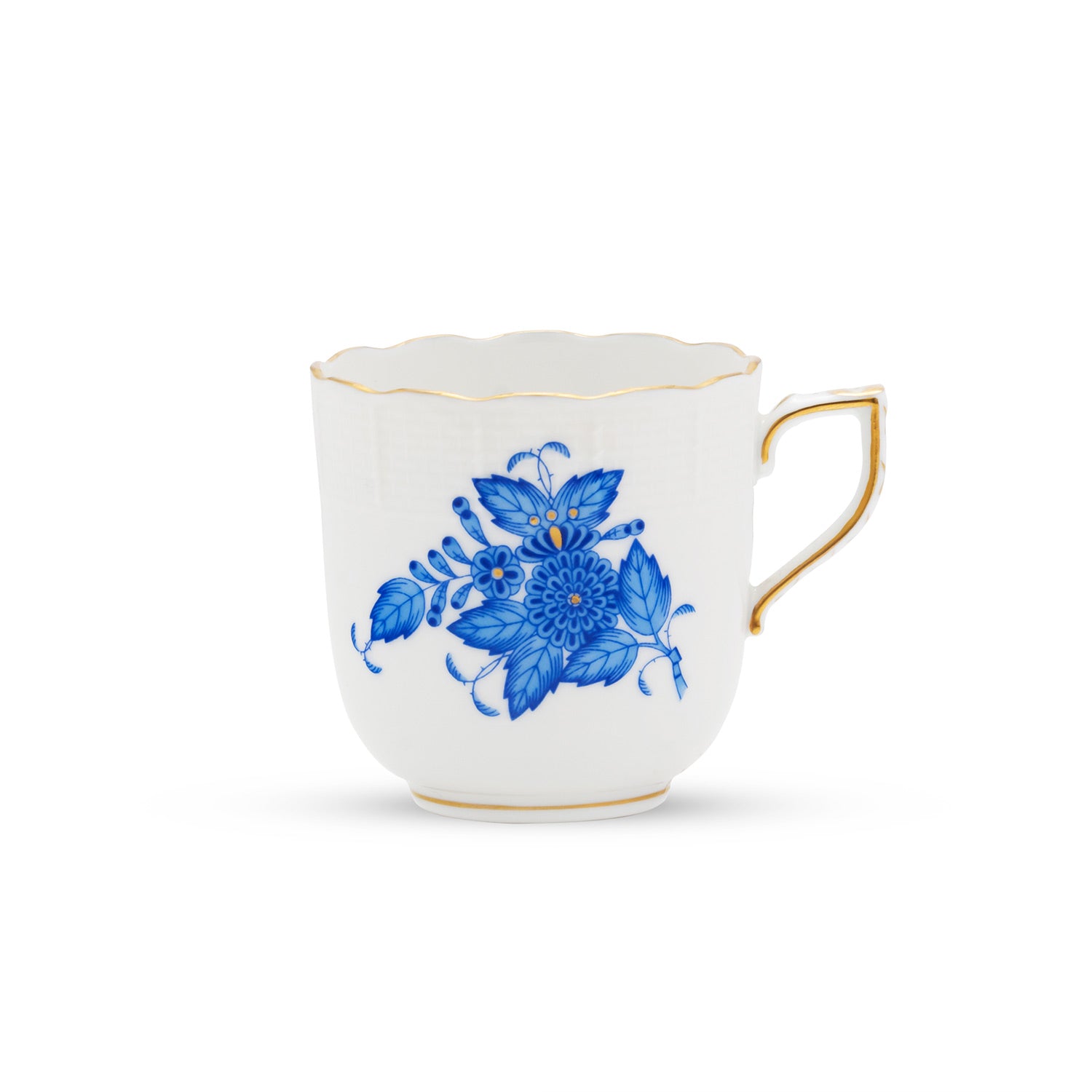
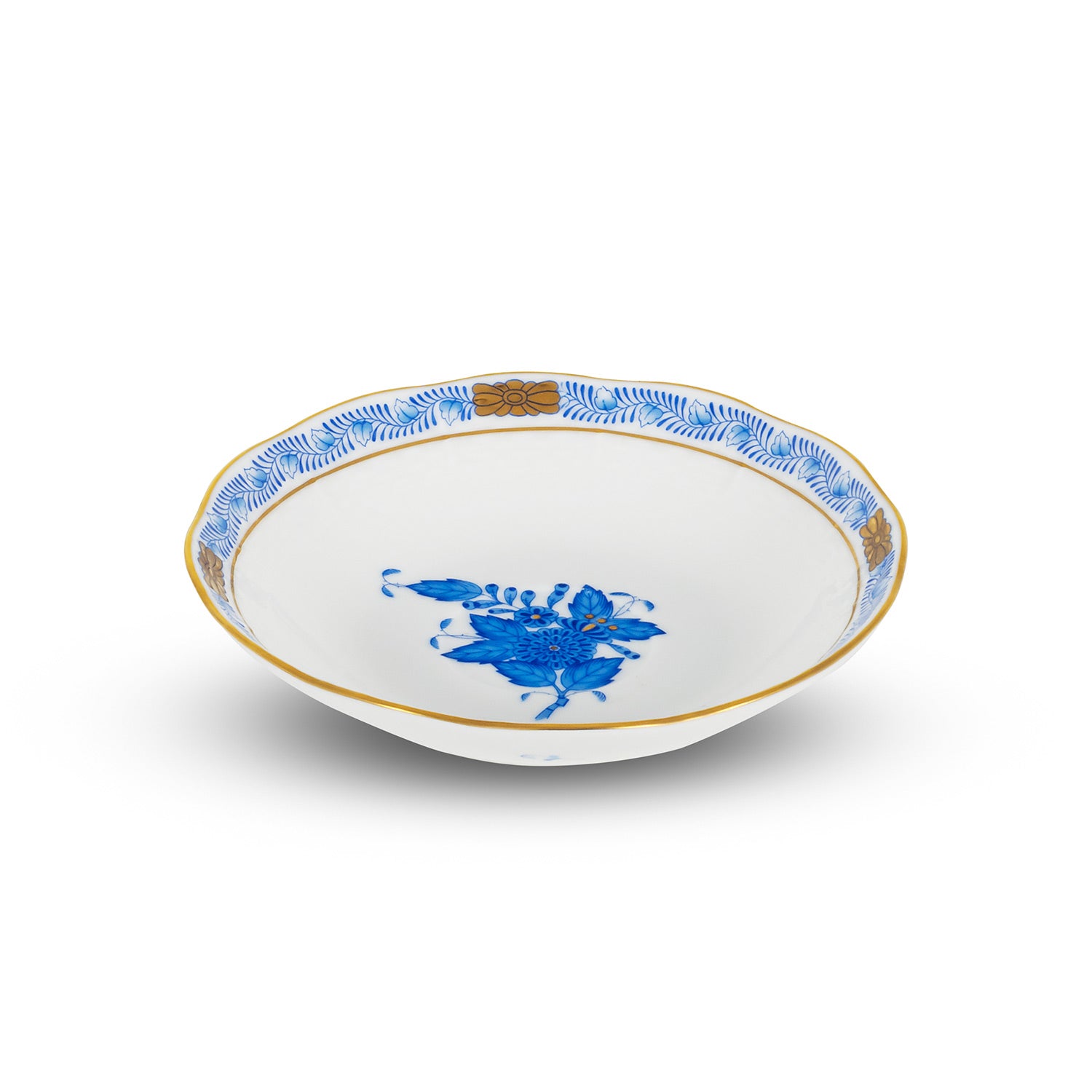
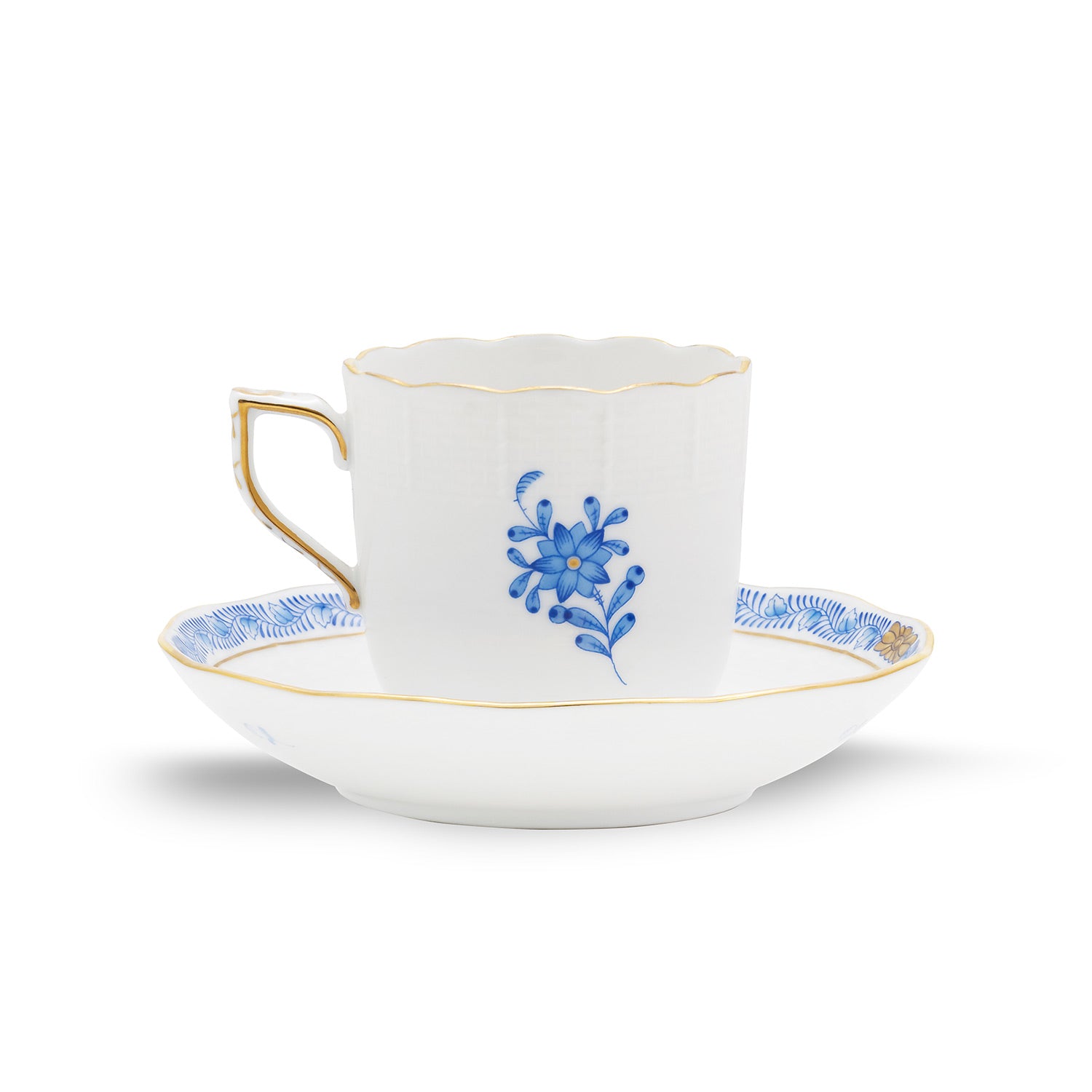
Apponyi Blue applies the pattern in shades of cobalt and blue with 24K gold rim, producing a cool, refined, and formal table character that references the blue-and-white tradition of the finest Chinese and European porcelain.
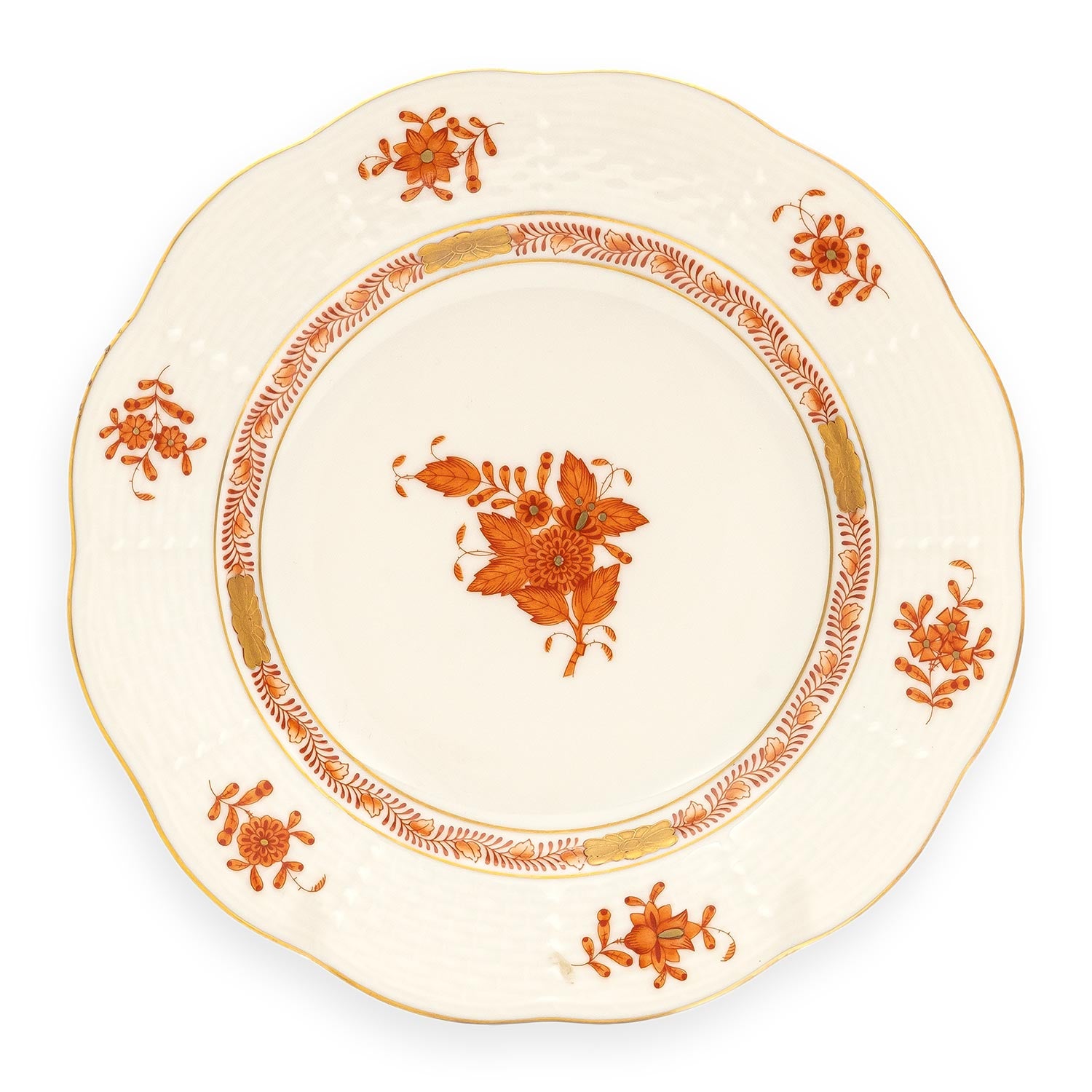
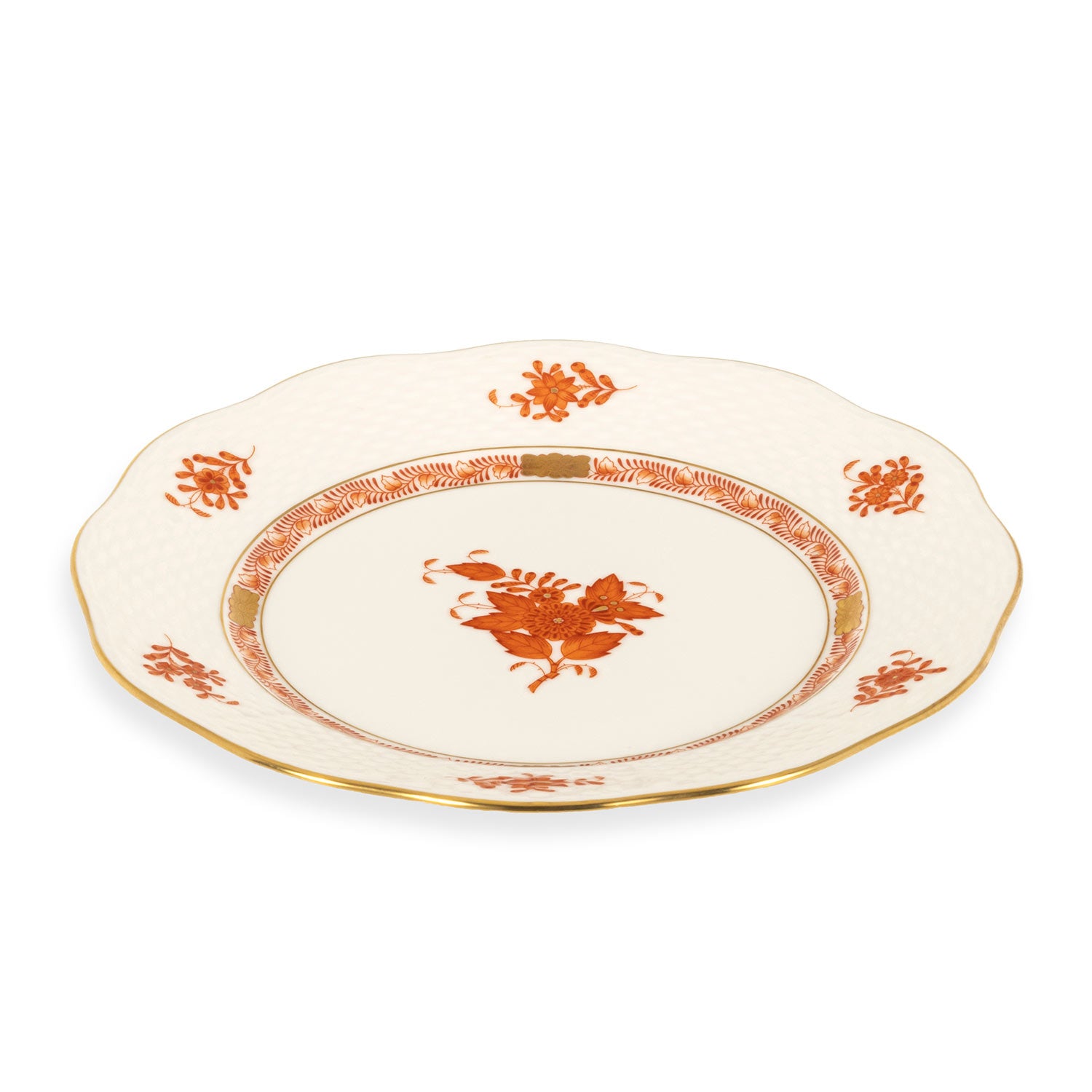
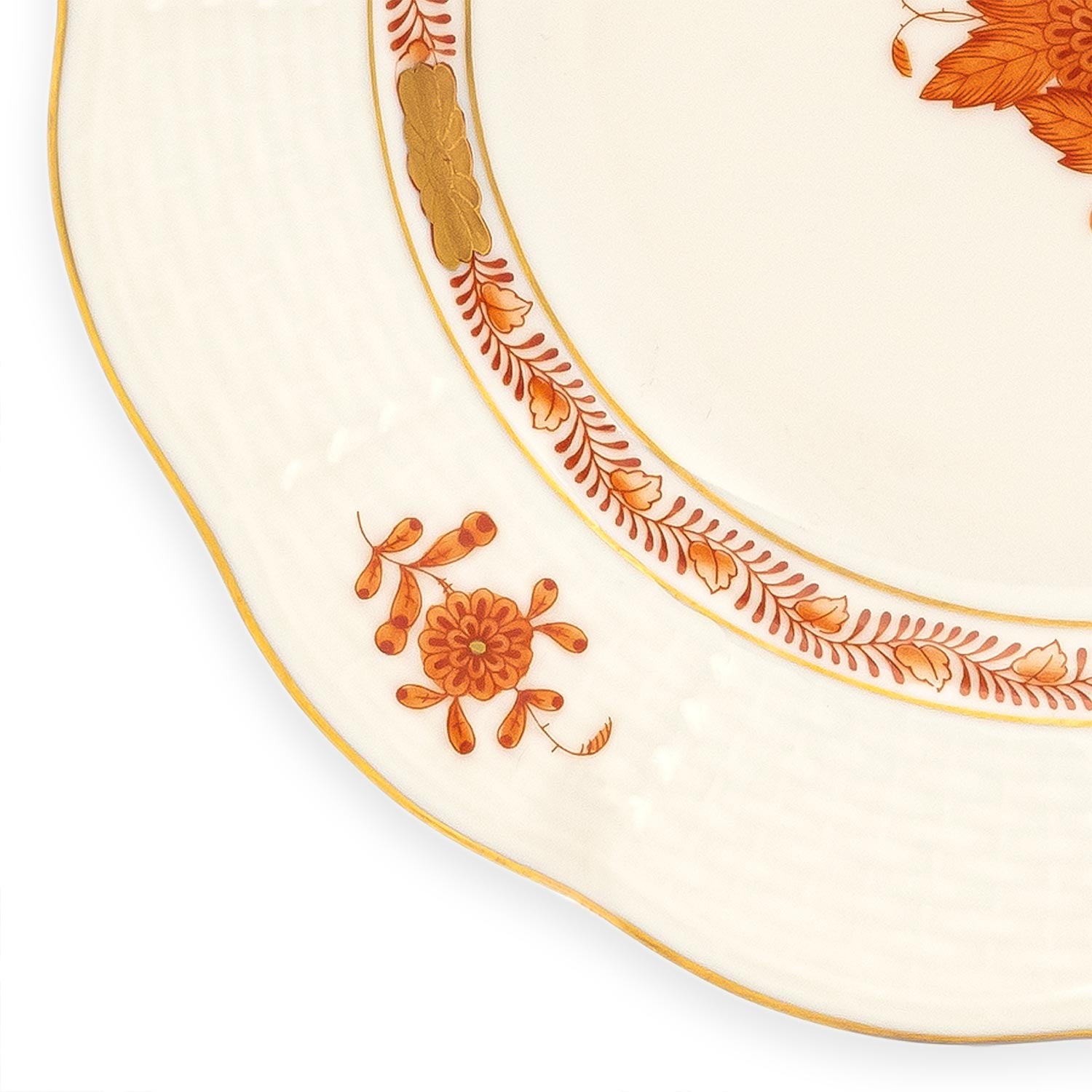
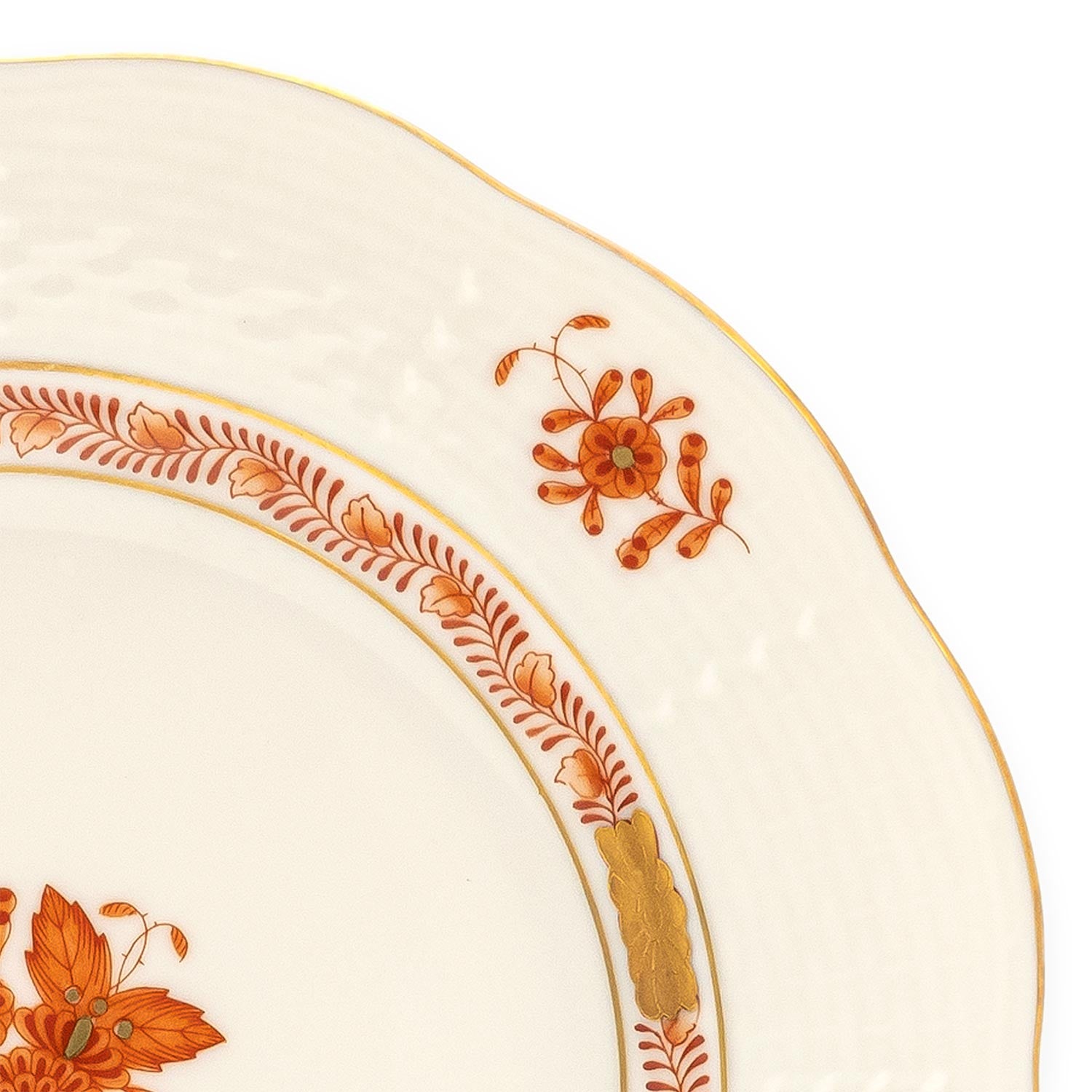
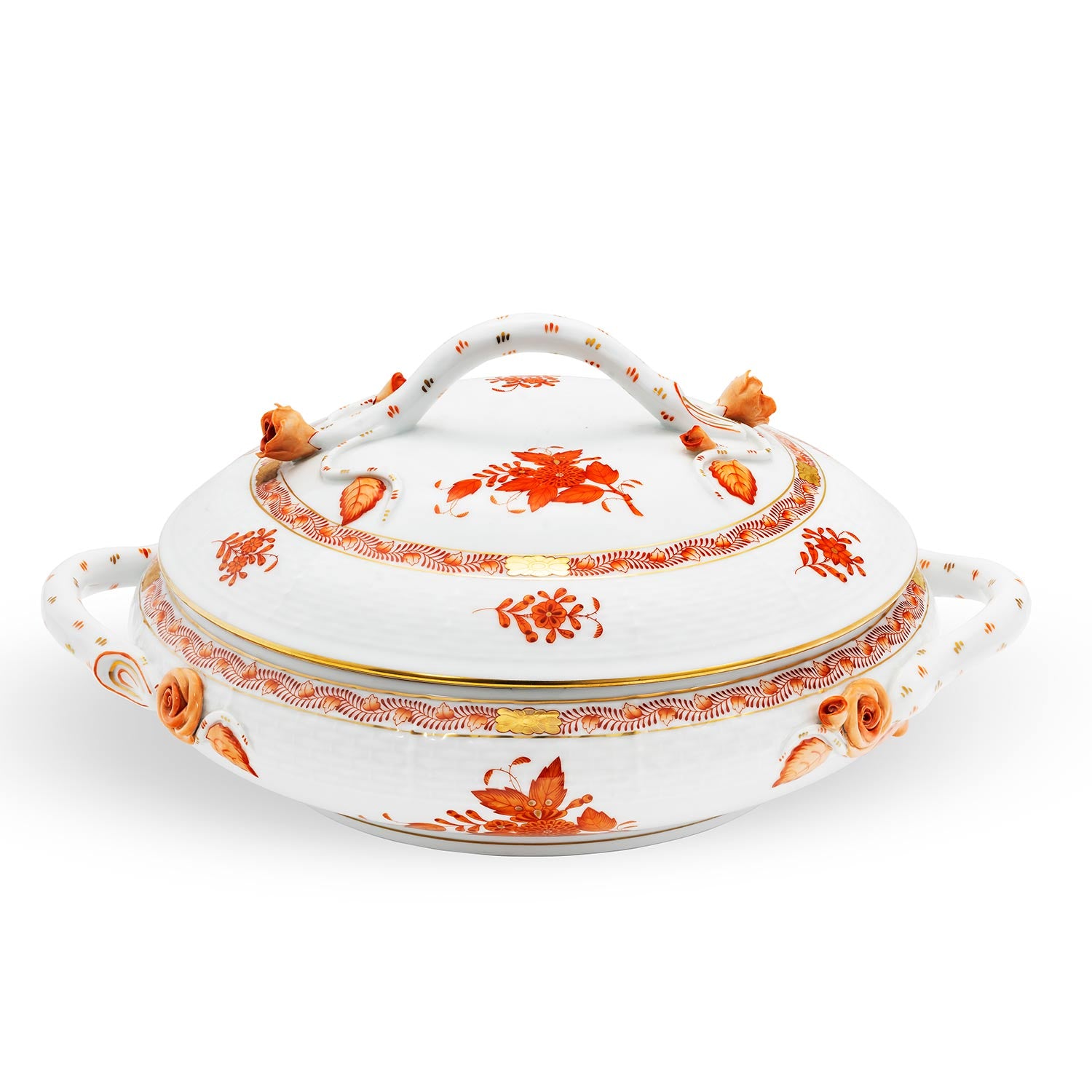
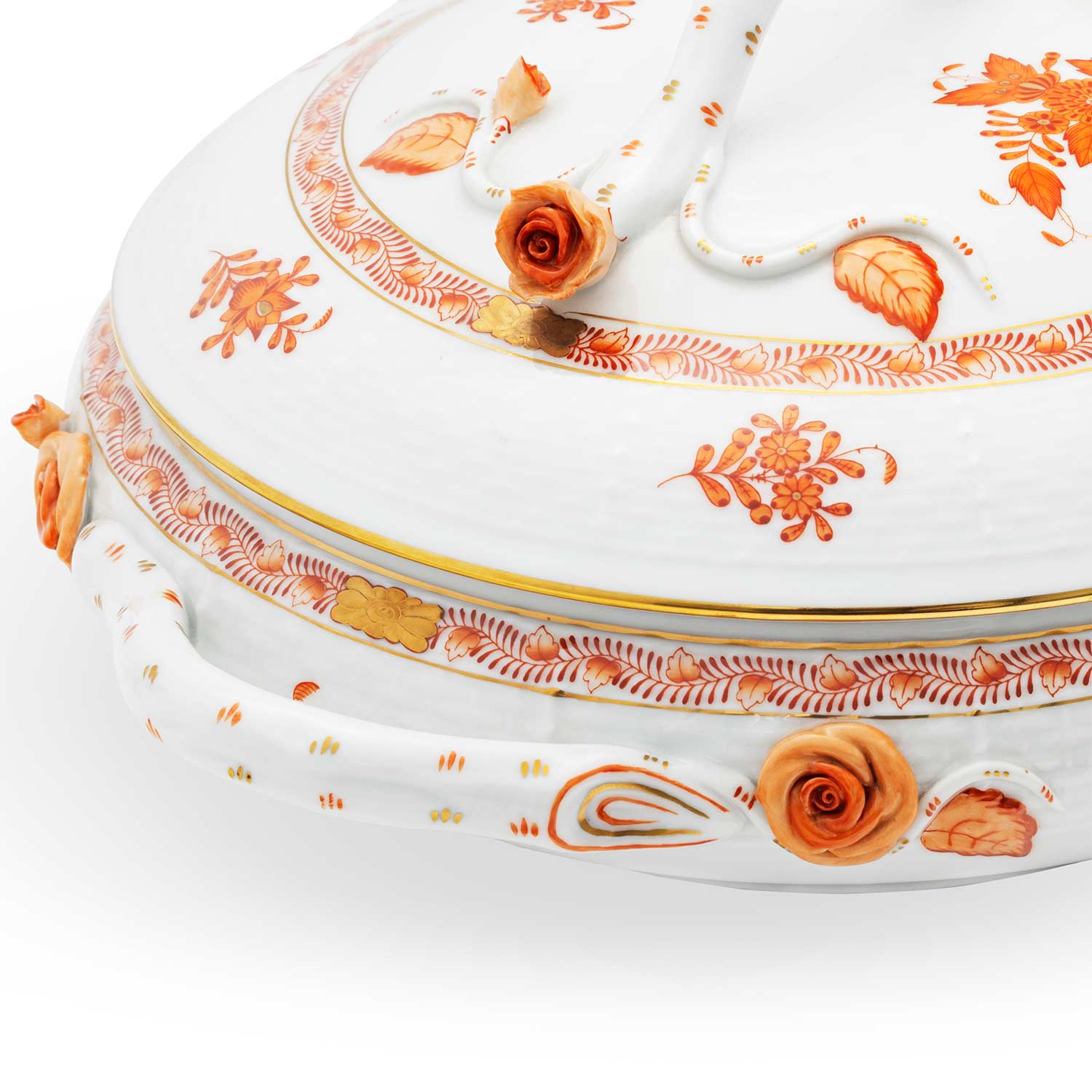
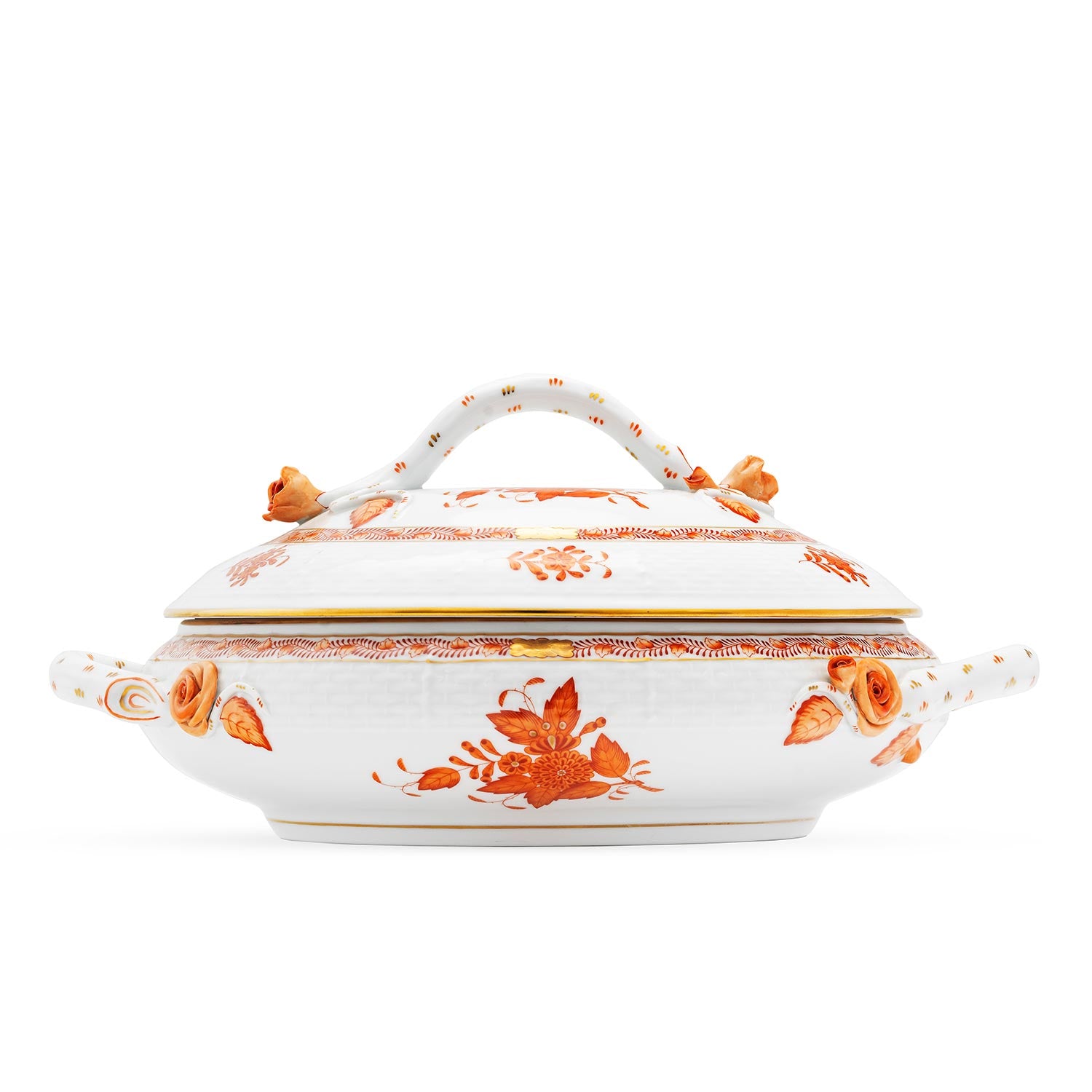
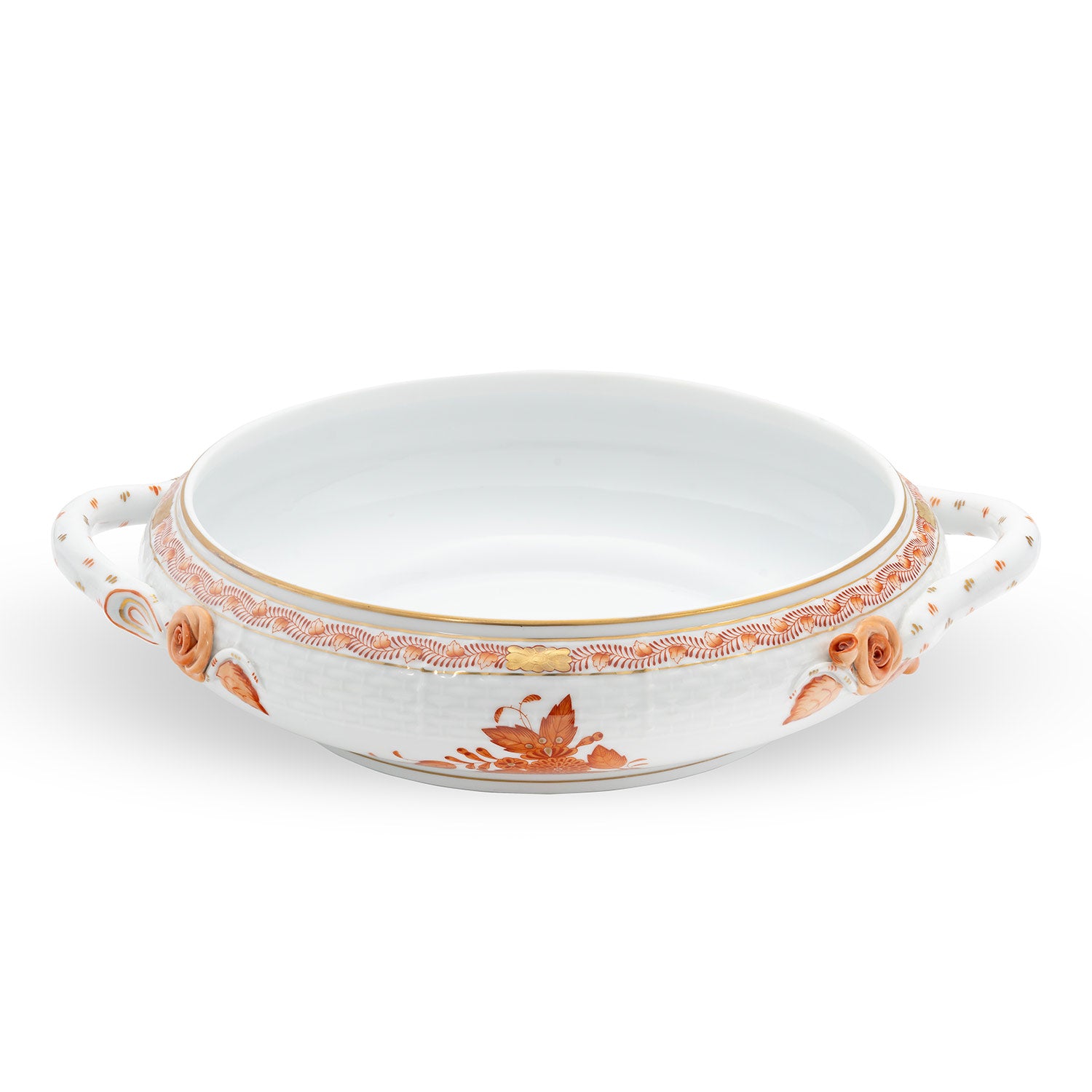
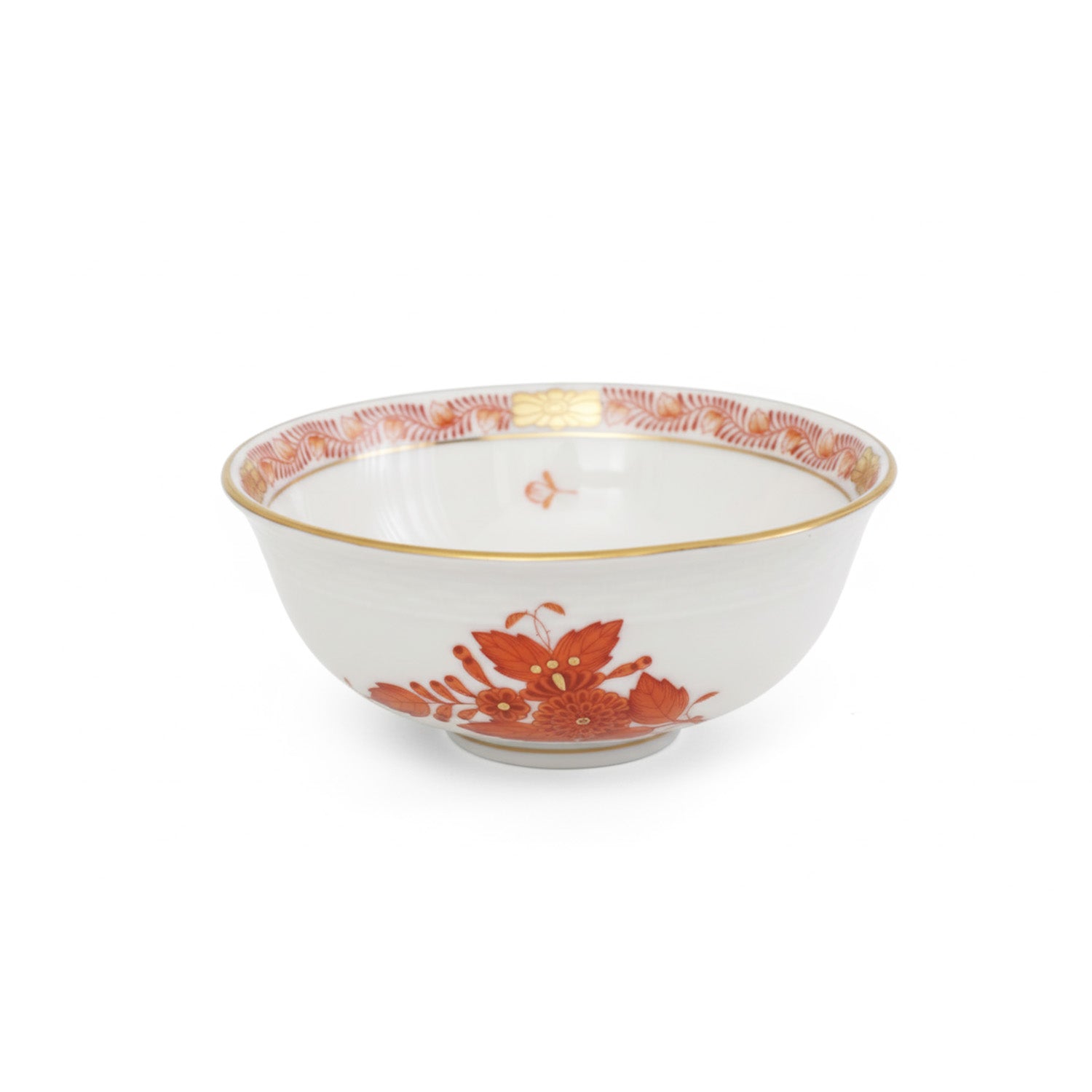
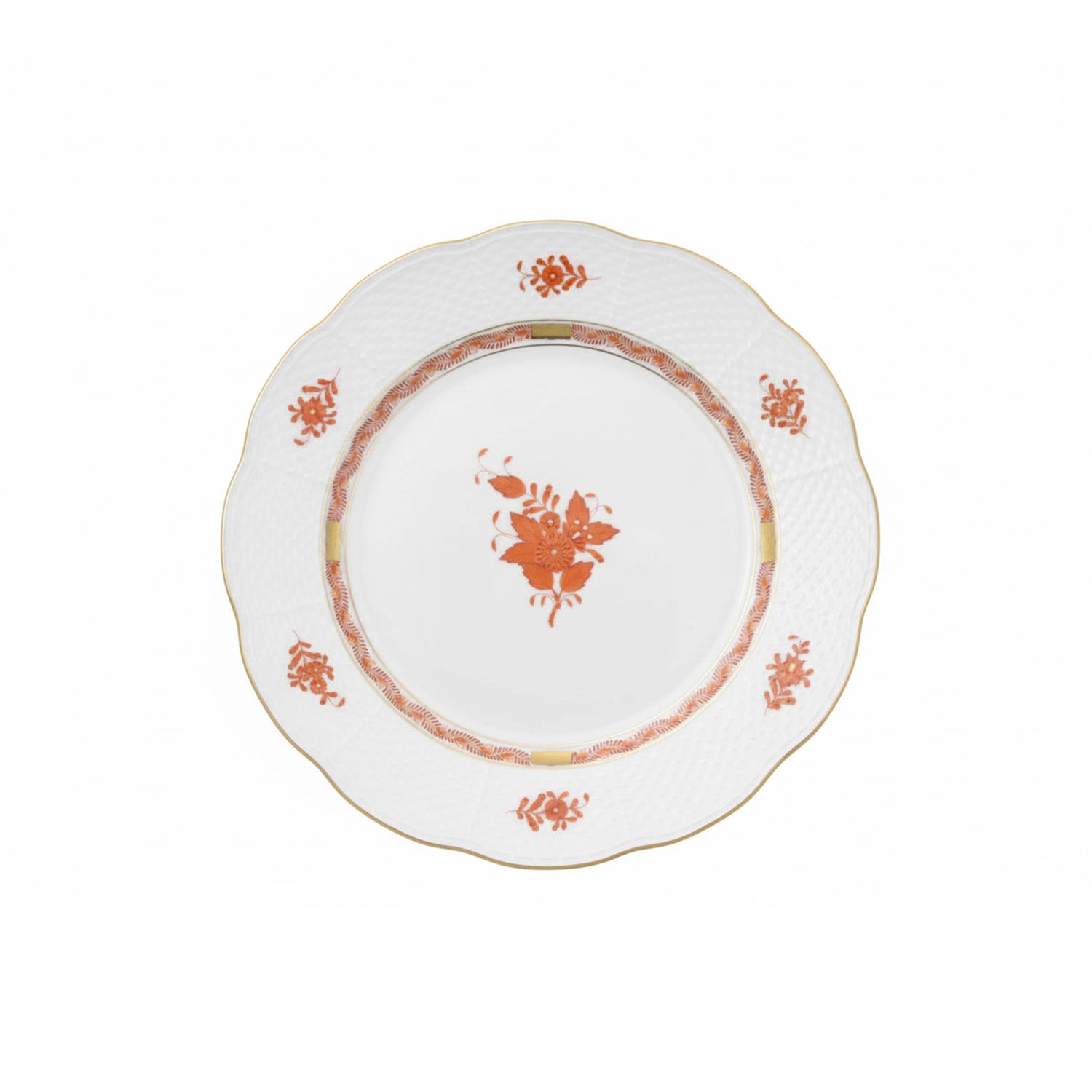
Apponyi Rust renders the same botanical composition in a warm palette of terracotta, amber, and rust with 24K gold, producing the most richly domestic and welcoming of the three colourways — a warmth of tone that makes it particularly suited to candlelit dining and intimate formal occasions.
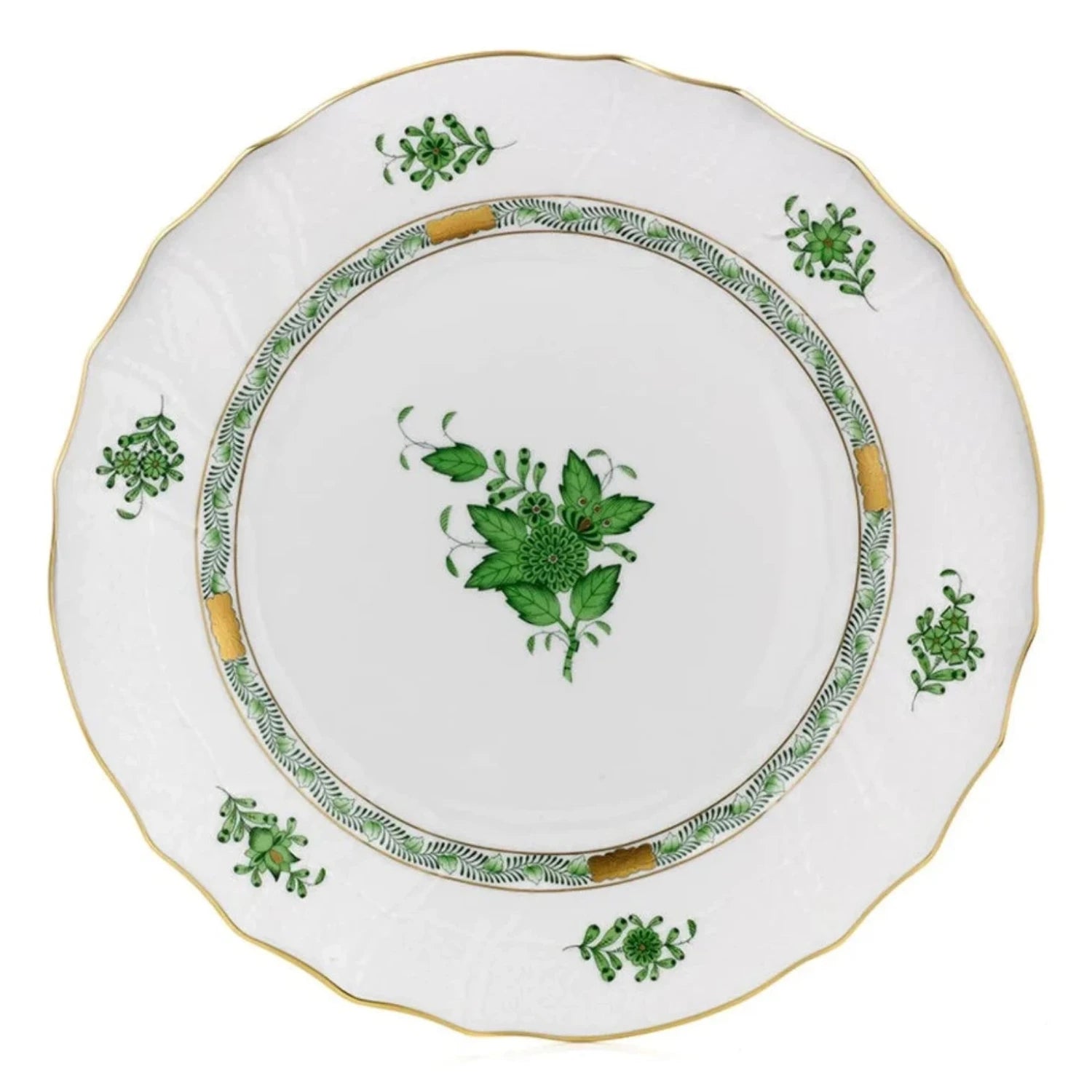
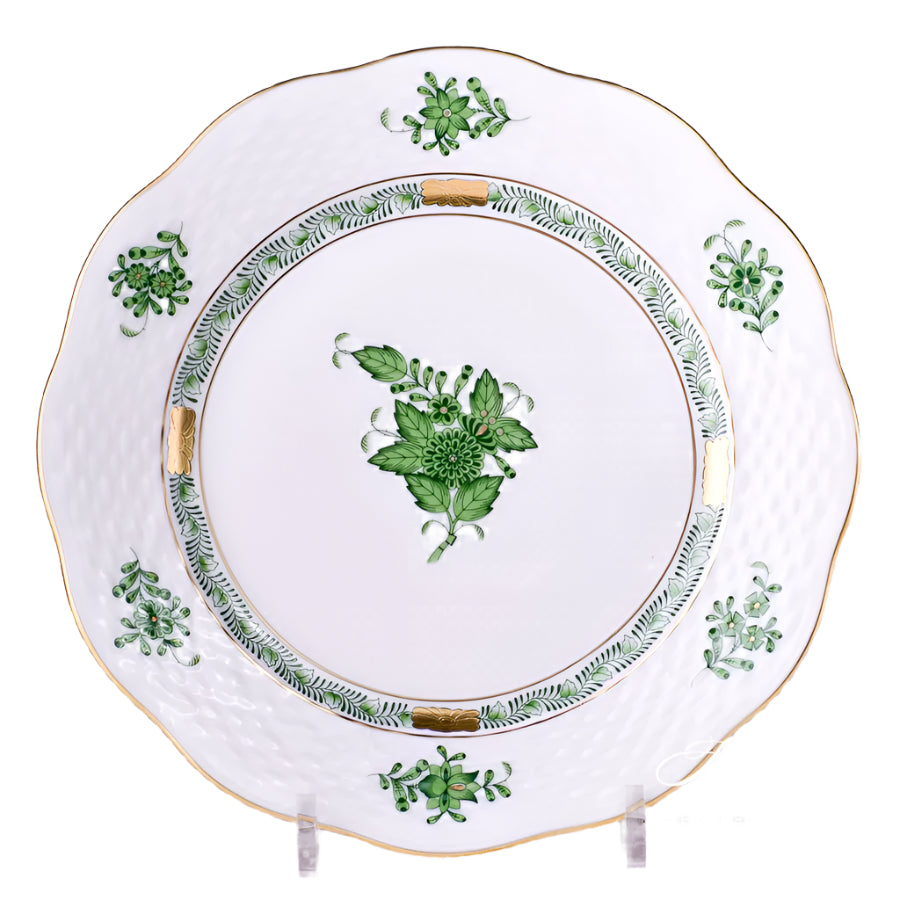
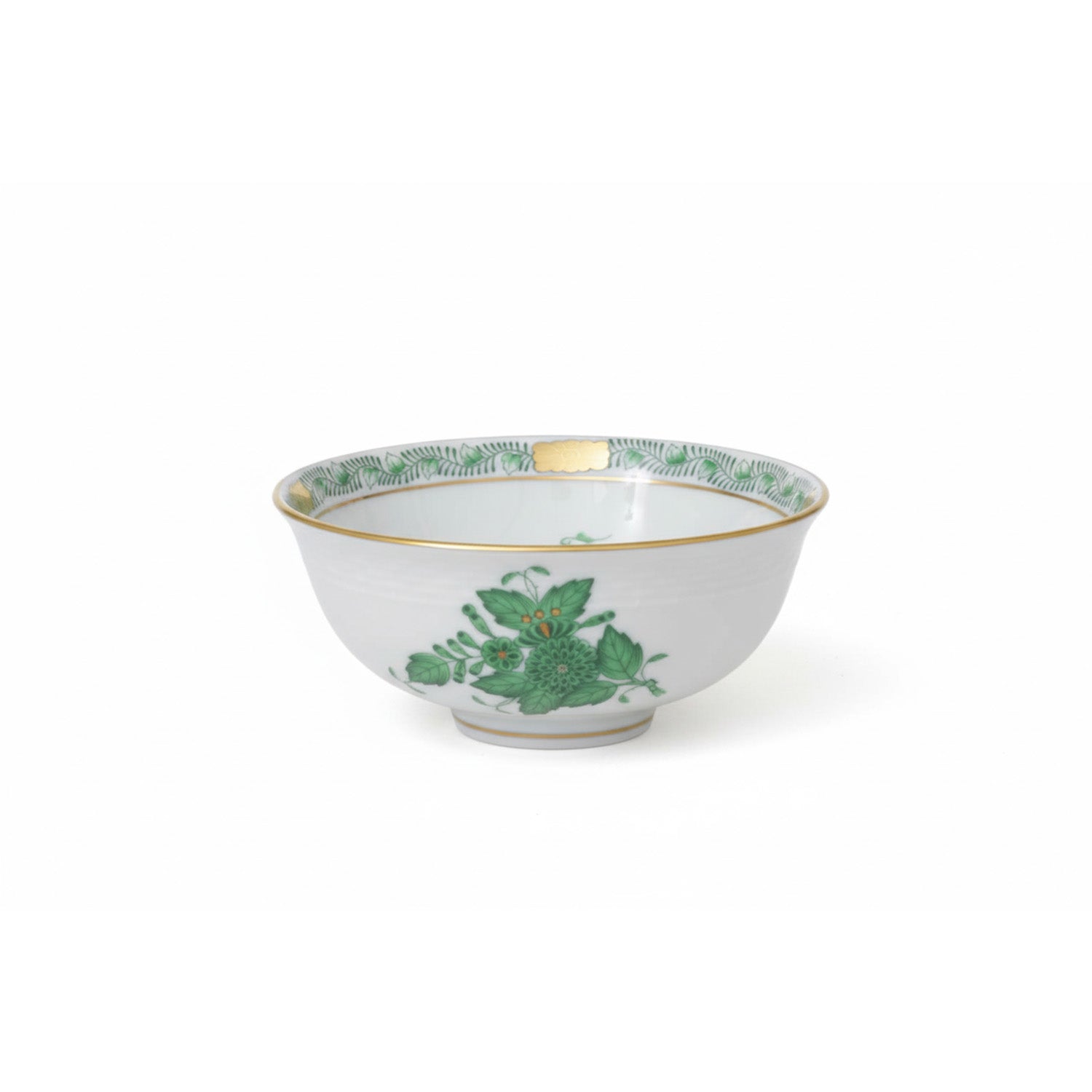
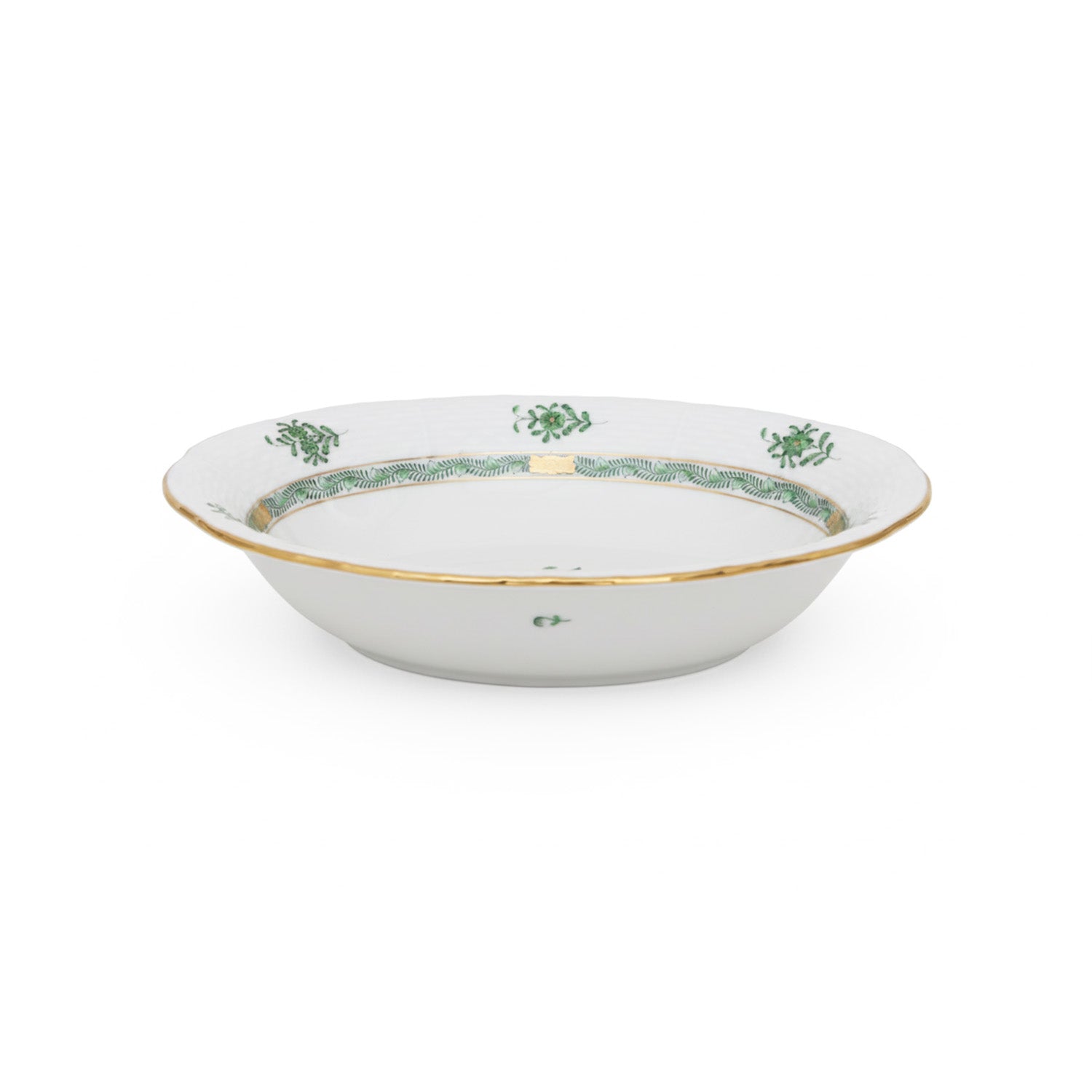
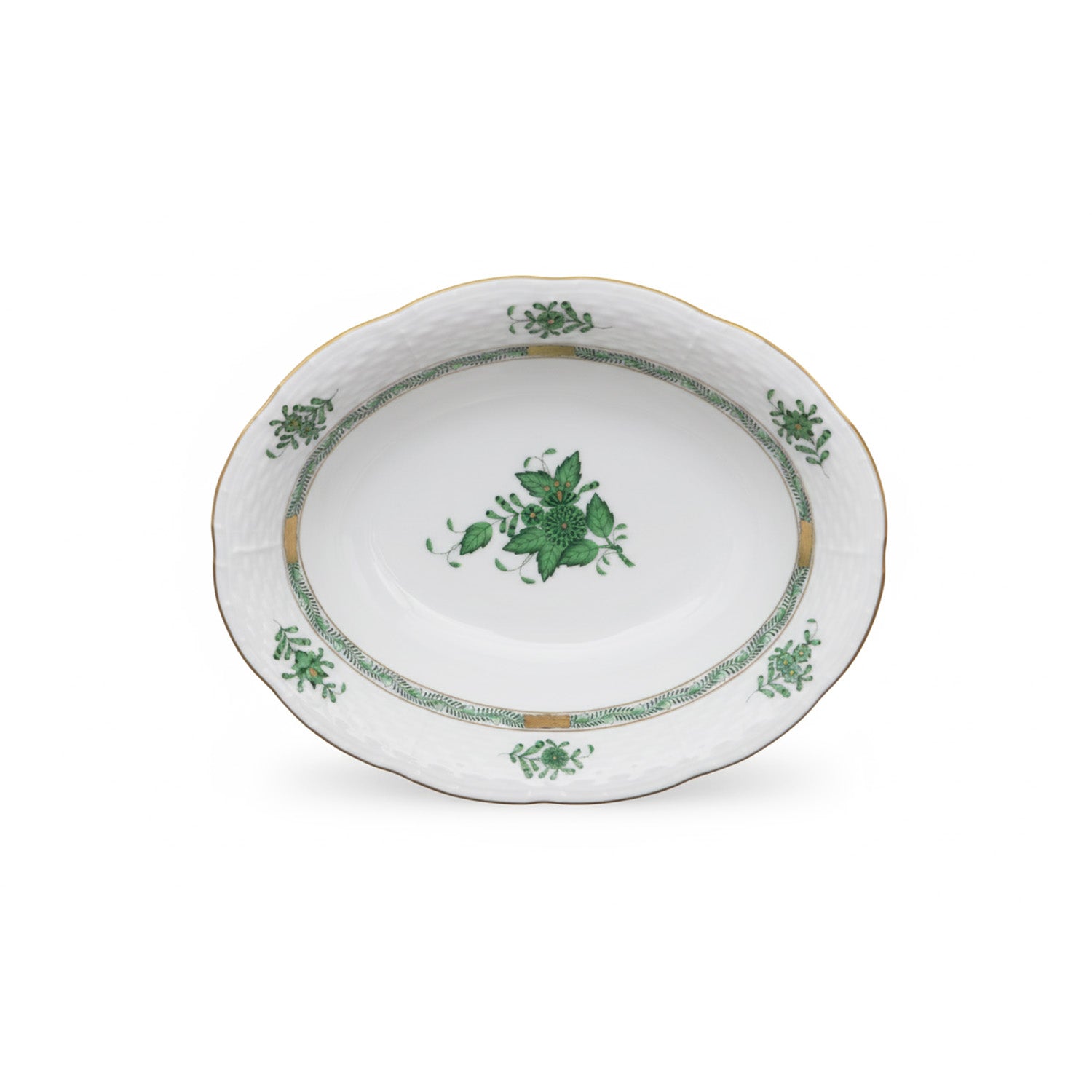
Apponyi Green applies the pattern in botanical greens with 24K gold, producing the most naturalistic of the three colourways — the leaves and flowers reading most directly as living plants rather than decorative abstractions.
The Complete Apponyi Service
Plates
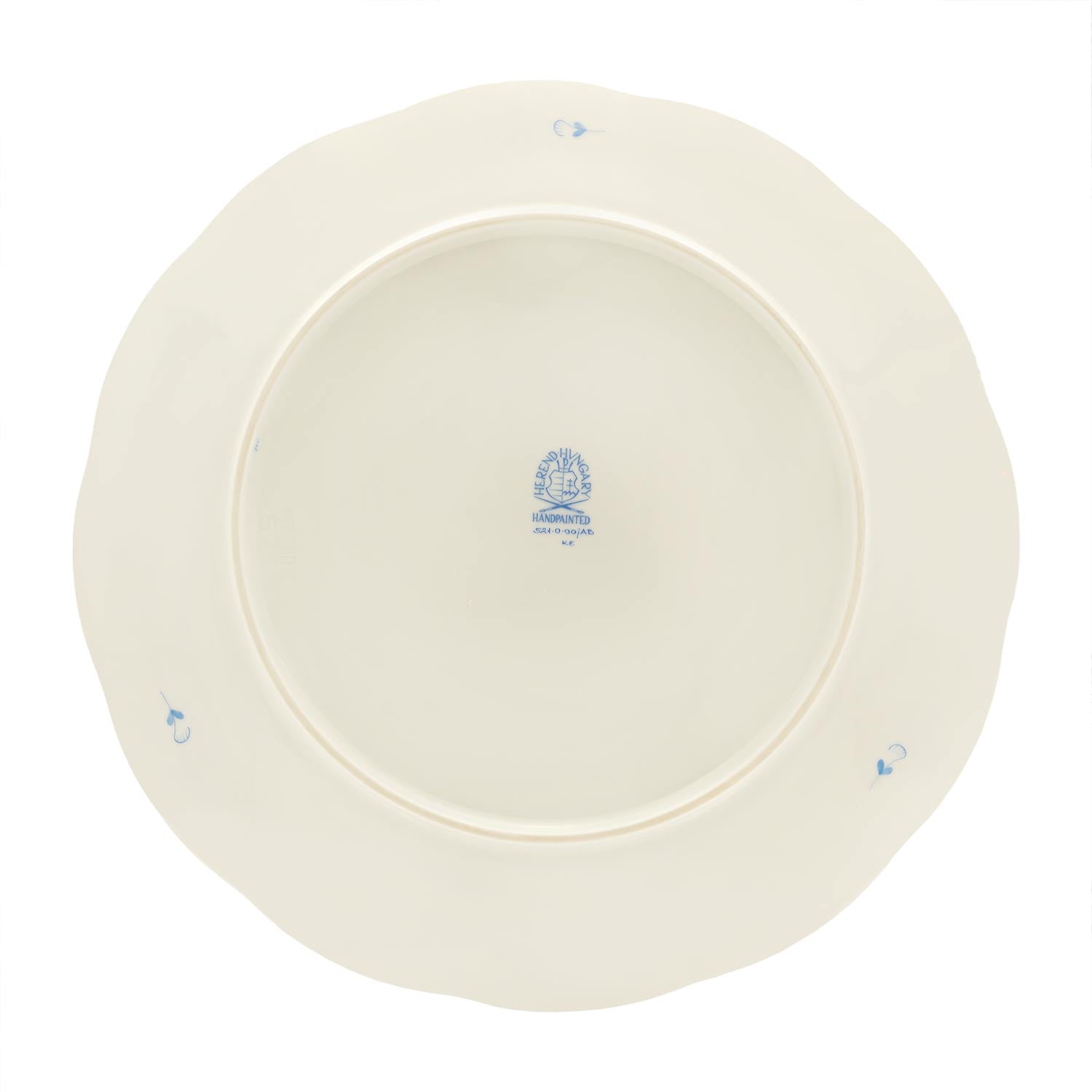
All three Apponyi colourways are available across the complete plate range at Thomas Goode India. The Apponyi dinner plates at 28 cm are the foundation of the service — hand-painted across their full decorative surface with a 24K gold rim applied and fired in a dedicated kiln stage. The lunch plates at 25.5 cm provide a slightly smaller format suited to the luncheon table or as an additional course plate in a formal multi-course dinner service. Side plates at 19 cm (Blue and Green) and 21 cm (Rust) serve the bread course and accompaniments. The Apponyi Rust dessert plate at 19 cm and the Apponyi Rust Bread and Butter Plate at 17 cm complete the Rust service's full plate range. An Apponyi Blue dessert plate at 23 cm extends the Blue service into the dessert course format.
All plates coordinate across colourways within the same pattern family, enabling a formal table to be set in a single Apponyi colourway or in a considered mix of colourways — a practice consistent with the Herend tradition, where different colourways of the same pattern are sometimes combined at a single formal table to produce variety within a shared design identity.
Bowls
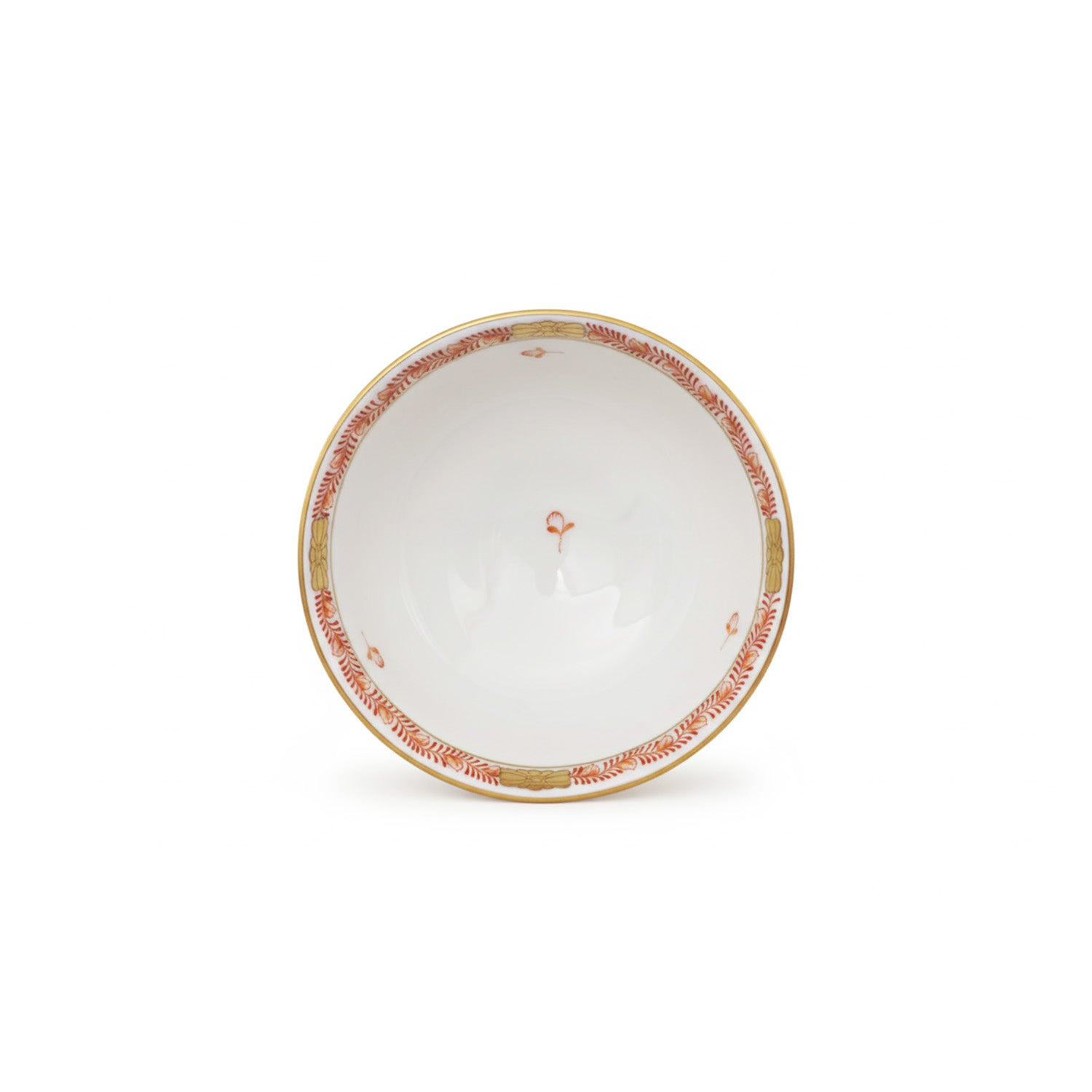
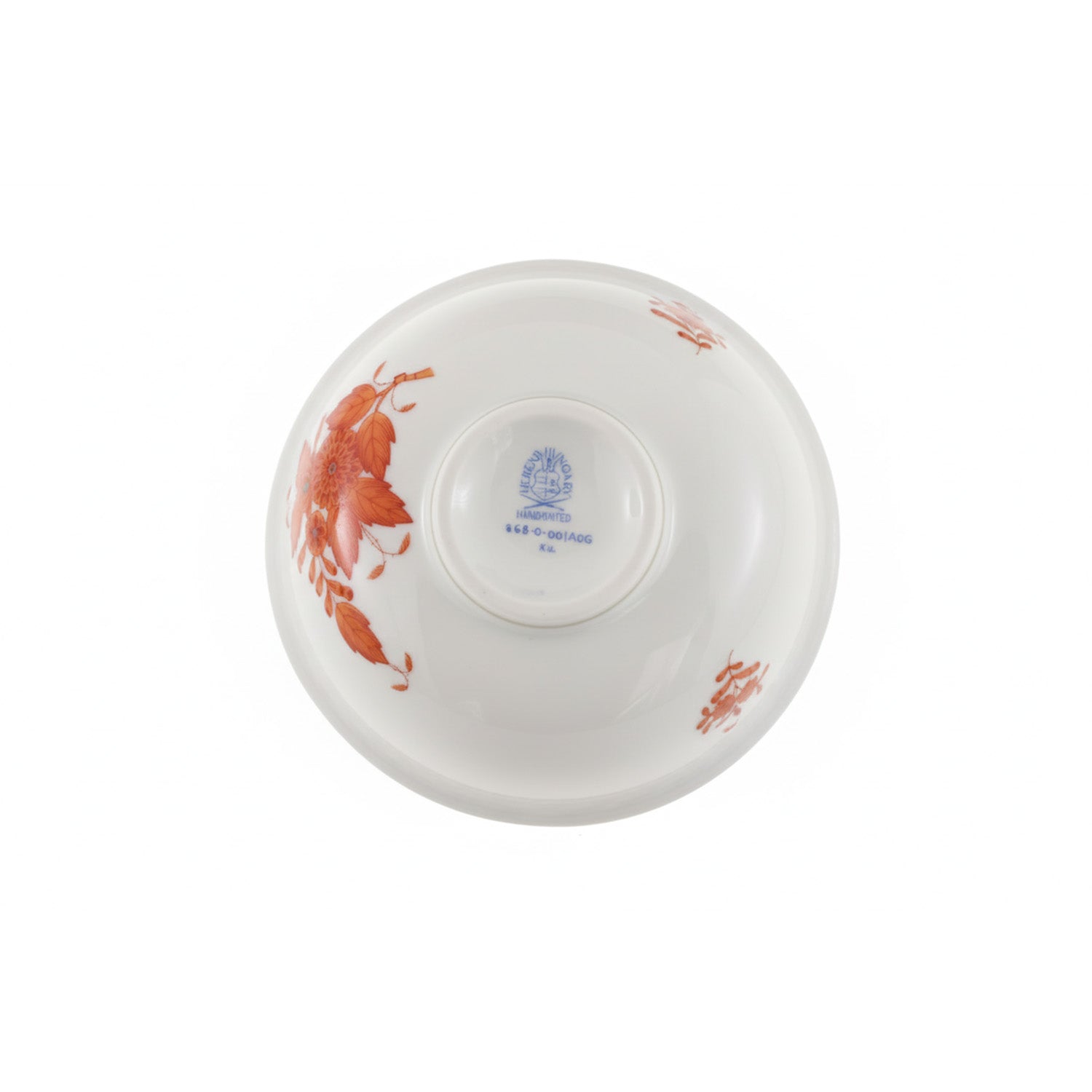
The serving bowl at 25 cm with 24K gold rim, available in Apponyi Green and Apponyi Rust, is the collection's most visually present communal piece — a 25 cm hand-painted porcelain bowl suited to formal dinner service and as a standalone display piece. The katori bowl at 11 cm, available in Apponyi Green, Apponyi Rust, and Apponyi Blue, is the collection's most India-specific format: a traditional Indian individual serving bowl for dal, curry, and accompaniments, produced in hand-painted Herend porcelain with 24K gold rim. It is one of the few places in the Indian luxury retail market where a katori bowl is available in genuine Herend hand-painted hard-paste porcelain, and its presence in the Apponyi collection positions the full service within the specific context of Indian formal dining as well as the European service tradition.
The Apponyi Rust dessert bowls complete the dessert course within the Rust service, while the Apponyi Rust oatmeal bowls extend the collection into the breakfast setting.
Serving Pieces
The Apponyi Rust Oval Platter at 35 cm is the collection's most commanding serving piece — a full 35 cm hand-painted porcelain platter suited to formal main course presentation. It is the piece that makes a Herend Apponyi table setting unmistakable from across the room: the full botanical surface of the Apponyi Rust pattern at this scale carries a visual authority matched by nothing else in the collection.
The Apponyi Rust Vegetable Covered Dish completes the formal service with the lidded serving vessel for hot vegetables and side courses, and the Apponyi Rust Sauce Boat provides the sauce and gravy vessel for the main course. Both are hand-painted at the Herend manufactory to the same decorative standard as the plates and bowls. Their inclusion means the Apponyi Rust collection can furnish a complete formal dinner service across every required serving format from a single pattern and colourway.
Tea and Coffee Service
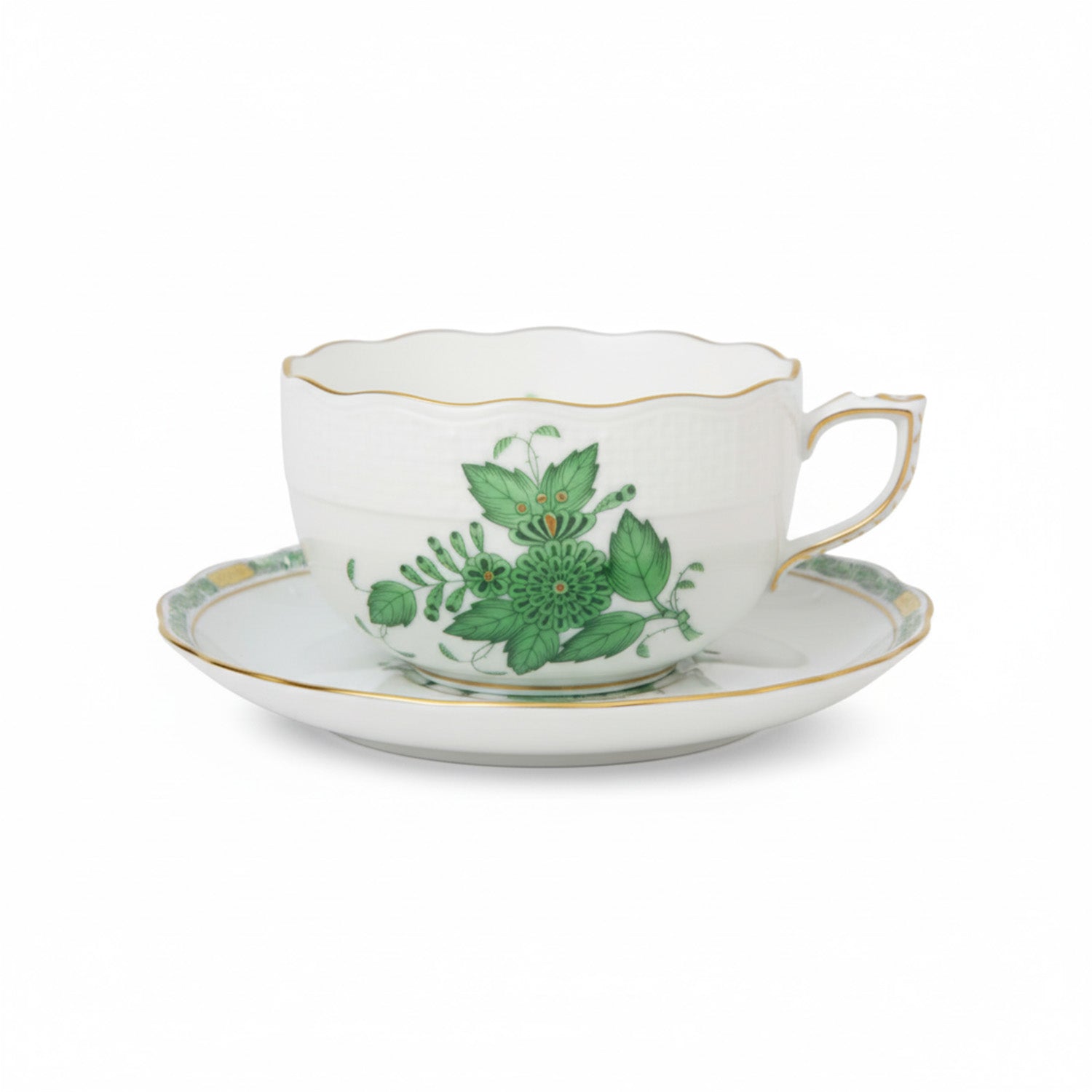
The tea and coffee service is available in both Apponyi Blue and Apponyi Rust. The Apponyi Blue Tea Cup and Saucer at 240 ml and the Apponyi Blue Coffee Cup and Saucer at 140 ml represent the individual piece formats — both hand-painted with 24K gold accents, both coordinating with the corresponding dinner and side plates in the Blue colourway.
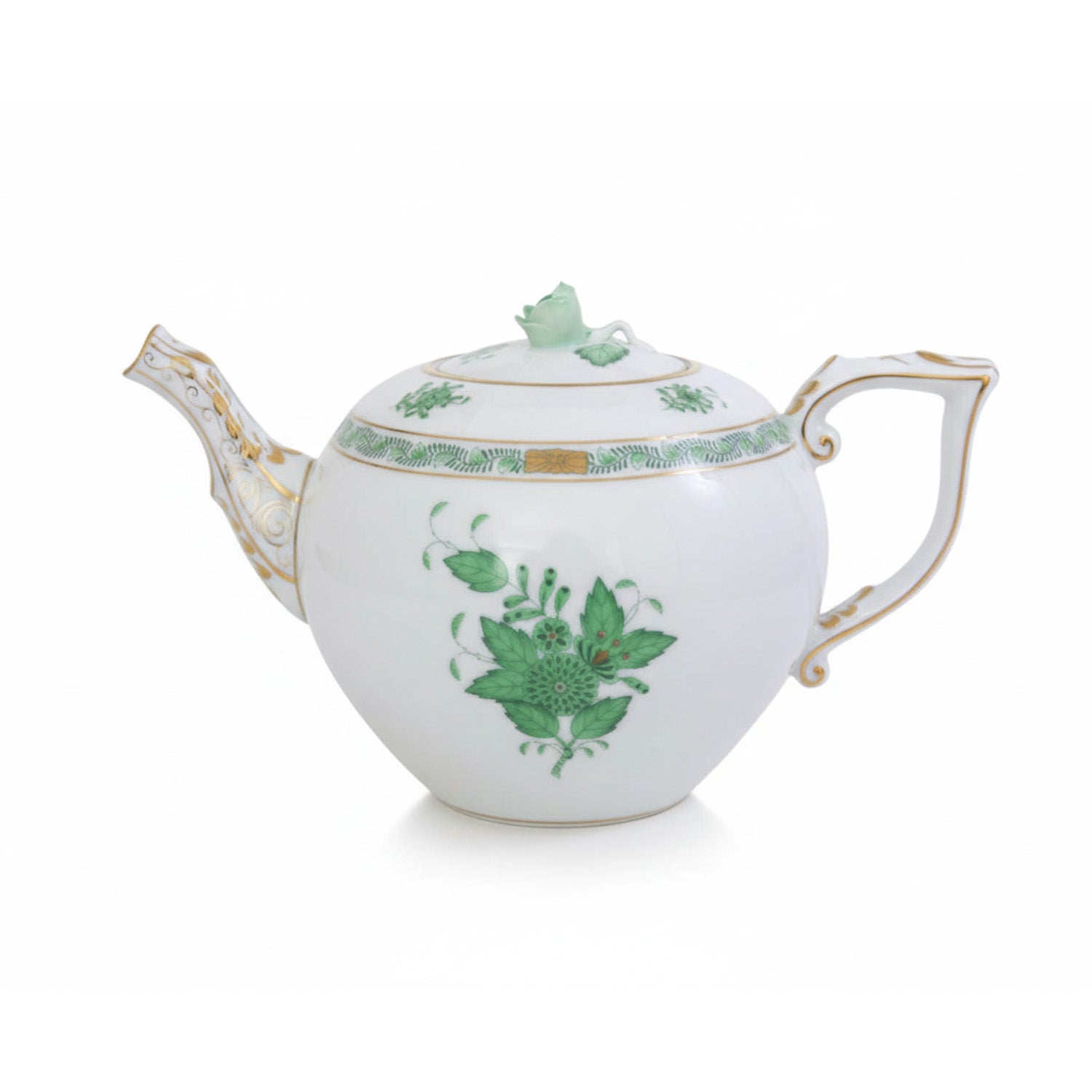
The 15-piece Apponyi Tea Sets — comprising six teacups, six saucers, a teapot, a sugar bowl, and a creamer, all in a consistent Apponyi pattern — are available in Apponyi Rust and Apponyi Blue (the Apponyi Green 15-piece set is currently sold out). These are among the most complete luxury tea set gifting formats available at Thomas Goode India: a fully matched service of fifteen hand-painted Herend pieces in a single acquisition. Each 15-piece set is individually crated for presentation. The complete tea sets range at Thomas Goode India provides further context on the Herend complete service formats.
Decorative Pieces
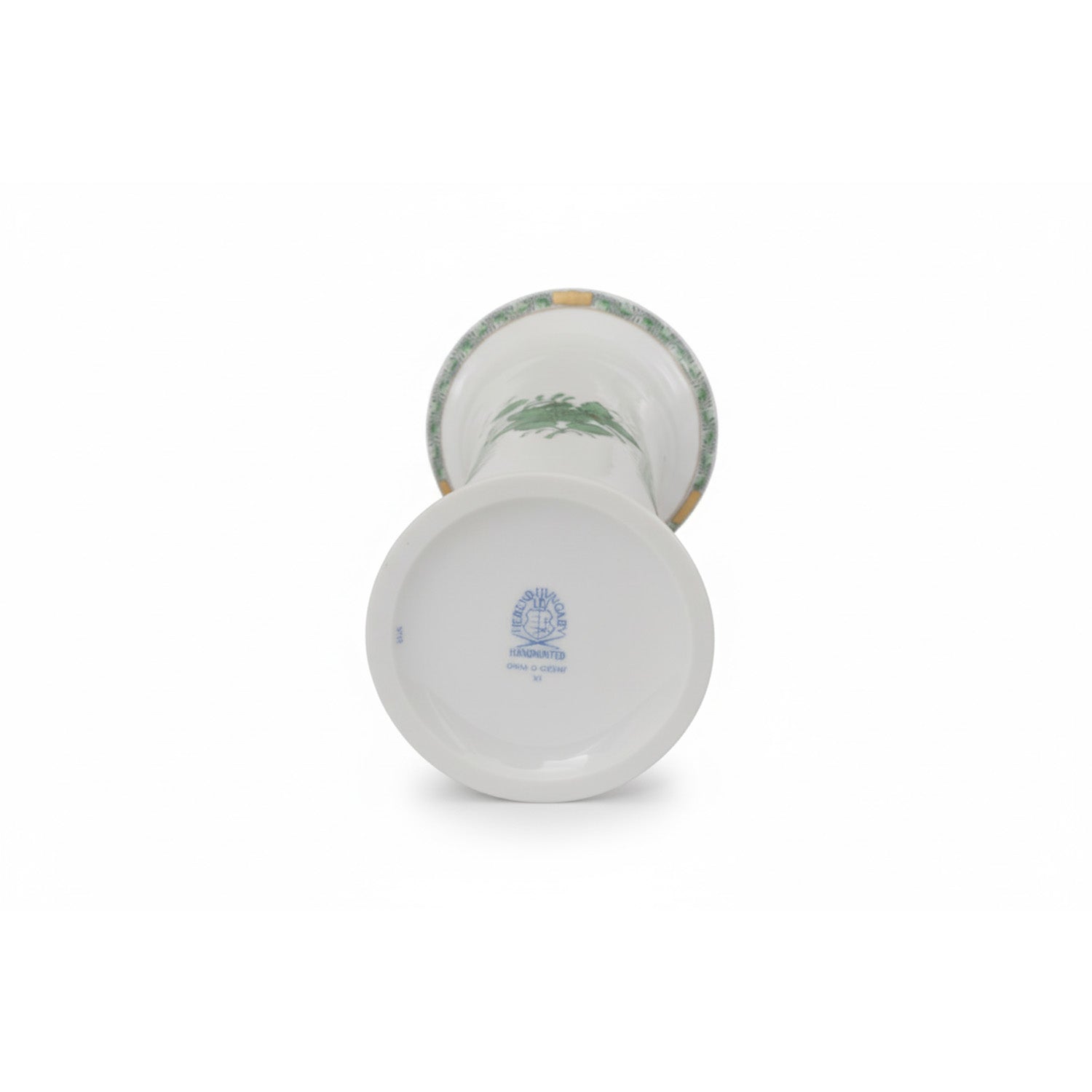
The Apponyi Green Vase, hand-painted with 24K gold accents, is a formal decorative vase suited to the display cabinet, the mantelpiece, or as a centrepiece object on the dining room sideboard. It coordinates with the Apponyi Green tableware to extend the design identity of the collection beyond the table into the room. Further detail is available in the Vases & Centrepieces collection.
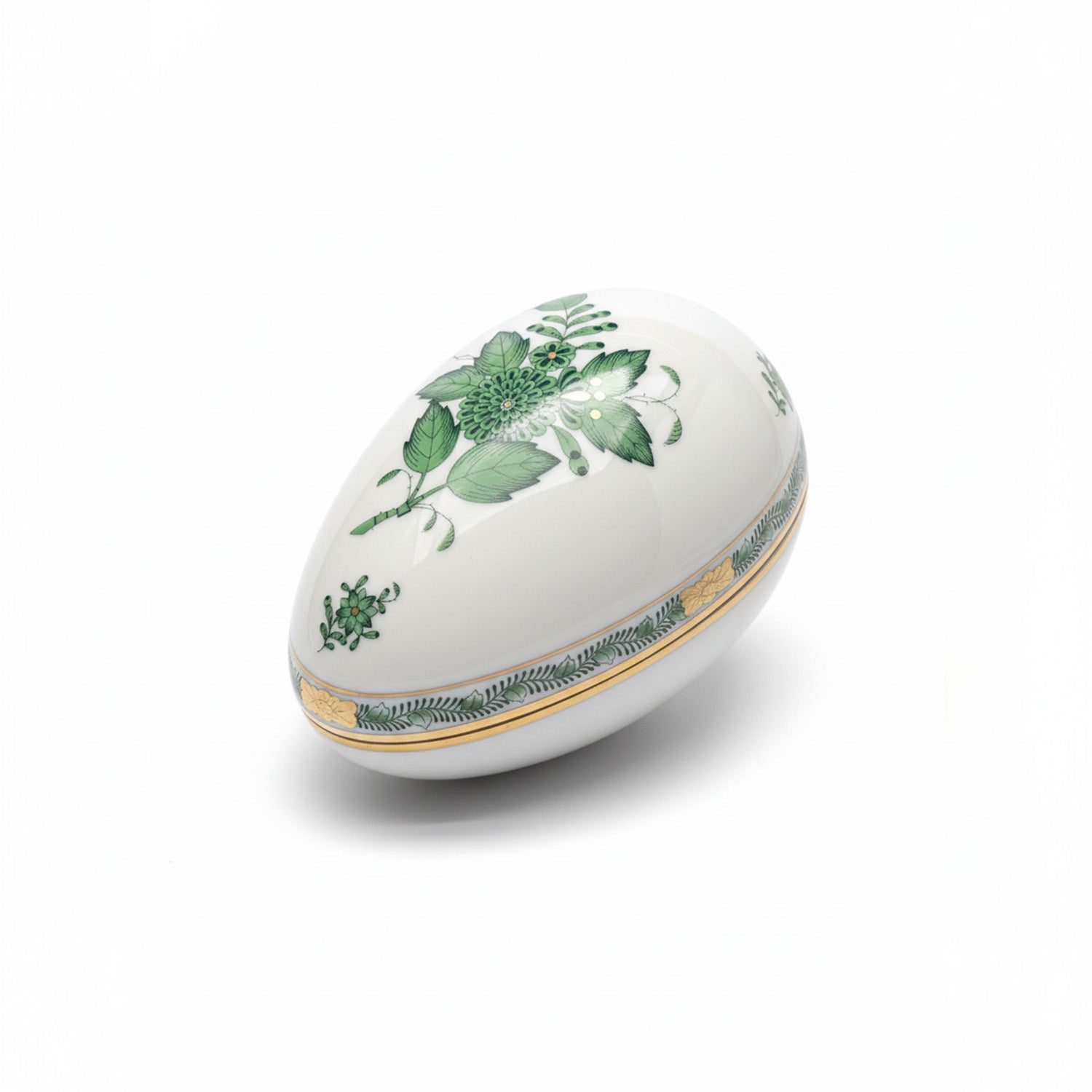
The Apponyi Green Egg Shaped Bonbonnière, hand-painted with 24K gold accents, is a lidded decorative porcelain object in the egg form — one of Herend's most celebrated decorative formats, produced in the Apponyi Green pattern by individual hand at the Herend manufactory. As a gifting or collecting object, the Apponyi bonbonnière occupies the precise intersection of the highest-standard European craft tradition and a collectible format with centuries of history in European luxury decorative arts.
Building a Complete Apponyi Formal Service
The Apponyi collection at Thomas Goode India is the only Herend pattern that provides sufficient depth across all plate formats, serving pieces, tea and coffee service, bowls, and decorative objects to constitute a fully matched formal service assembled from a single Herend pattern. A complete Apponyi Rust formal service for six covers would comprise six dinner plates, six lunch plates, six side plates, six bread and butter plates, six dessert plates, six dessert bowls, and six katori bowls at the dining setting; the oval platter, serving bowl, covered vegetable dish, and sauce boat for the main course service; the 15-piece tea set for the tea and coffee service; and the vase for the room's decorative composition.
No other pattern at Thomas Goode India — across any maker — provides this breadth of formats from a single collection. The Apponyi service is the most complete luxury tableware service available in India from a single European hand-painted porcelain house.
The Cutlery and Table Accents collections complete the formal setting with Christofle Dédale gold-plated flatware, shagreen and silver-plated napkin rings, gold-plated salt and pepper shakers, and a silver-plated three-light candelabra.
What Makes the Apponyi Pattern Collectible
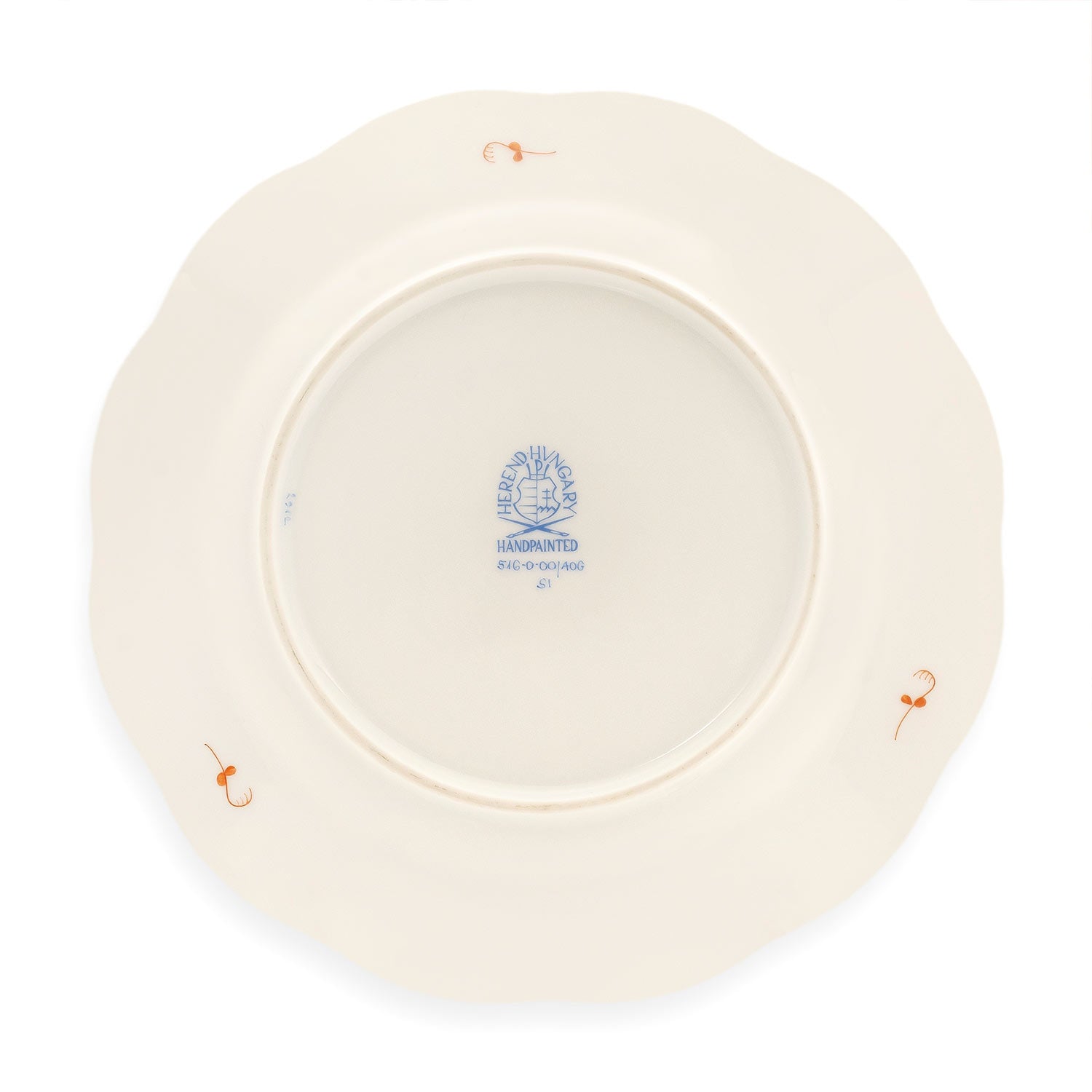
A Herend Apponyi piece is collectible for three converging reasons. The first is the pattern's age and continuity: a design in continuous production since the mid-19th century, at the same manufactory, by artisans trained in an unbroken succession of traditional techniques, carries a provenance depth that cannot be manufactured or simulated. The second is the hand-painting process: every Apponyi piece is decorated individually by hand by a trained artist at the Herend manufactory, with 24K gold applied and fired separately. No two Apponyi pieces are identical in their finest details, meaning every piece is, in a precise sense, an original. The third is the Herend name itself: a manufactory established in 1826 that supplied porcelain to Queen Victoria's court, to the international exhibitions of the 19th century, and to the fine dining tables of Europe's most distinguished families for two centuries.
To Shop the Herend Apponyi Porcelain Collection Online in India, the full range is available at thomasgoode.in/collections/apponyi, with call-to-order and personalised gifting assistance from the Thomas Goode India team.
Frequently Asked Questions
What is the Herend Apponyi pattern?
The Herend Apponyi pattern — known within Herend's production nomenclature as the "Chinese Bouquet" — is a hand-painted botanical and floral design in continuous production at the Herend manufactory in Hungary since the mid-19th century. It is named after the Hungarian Apponyi family, whose 19th-century aristocratic patronage helped establish the design in the Herend repertoire. The pattern is available in three colourways at Thomas Goode India: Apponyi Blue, Apponyi Rust, and Apponyi Green, each with 24K gold rim or accent decoration applied and fired separately.
What is the difference between Apponyi Blue, Apponyi Rust, and Apponyi Green?
All three colourways carry the same botanical and floral composition, hand-painted at the Herend manufactory with 24K gold. Apponyi Blue renders the pattern in cobalt and blue tones, producing a cool and formal character that references the blue-and-white tradition of Chinese and European porcelain. Apponyi Rust applies the same motifs in terracotta, amber, and rust tones, producing the warmest and most richly domestic of the three. Apponyi Green uses botanical greens, producing the most naturalistic colourway. The three are compatible on a single table and can be combined by colourway across different course formats.
Which Apponyi colourway is the most complete in terms of available formats?
Apponyi Rust has the greatest format depth at Thomas Goode India, spanning dinner plates, lunch plates, side plates, dessert plates, bread and butter plates, dessert bowls, katori bowls, oval platter, serving bowl, vegetable covered dish, sauce boat, and a 15-piece tea set. Apponyi Blue is close behind, with a full plate range, katori bowl, tea and coffee cups and saucers, and the 15-piece tea set. Apponyi Green spans plates, katori bowl, serving bowl, vase, and bonbonnière.
Can I assemble a complete formal dinner service from the Apponyi collection?
Yes. The Apponyi Rust collection at Thomas Goode India provides every format required for a formally complete dinner and tea service: five plate formats, dessert and katori bowls, oval platter, covered vegetable dish, sauce boat, serving bowl, and a 15-piece tea set. The Apponyi collection is the only Herend pattern at Thomas Goode India with sufficient depth across all formats to constitute a fully matched formal service from a single pattern.
Is the Herend Apponyi 15-piece tea set available in all three colourways?
The Apponyi Rust 15-piece Tea Set and the Apponyi Blue 15-piece Tea Set are available. The Apponyi Green 15-piece Tea Set is currently sold out. Enquiries about the Green 15-piece set can be made through the Thomas Goode India call-to-order service. The 15-piece set includes six teacups, six saucers, a teapot, a sugar bowl, and a creamer, all hand-painted with 24K gold accents at the Herend manufactory.
What is an Apponyi katori bowl?
The Apponyi katori bowl at 11 cm is a traditional Indian individual serving bowl — used to serve dal, curry, chutney, and accompaniments at the individual place setting — produced in hand-painted Herend hard-paste porcelain with 24K gold rim decoration. It is available in Apponyi Blue, Apponyi Rust, and Apponyi Green. The Herend Apponyi katori bowl is one of the few instances in the Indian luxury retail market where this traditional Indian dining format is produced to the full standard of European hand-painted luxury porcelain, positioning the Apponyi service within both the European formal dining tradition and the specific context of Indian occasion dining.